How to Get Rid of Spray Tan Smell and Freshen the Room
Spray tan sessions can leave a noticeable odor in the air, especially in small spaces or bathrooms. With the right approach, you can neutralize the scent quickly and maintain a comfortable environment. This guide covers practical, at-home steps and the best products to help remove spray tan smell effectively.
Quick Answer
Act fast after a spray tan session by ventilating the space, using an air purifier for spray tan odor with a HEPA carbon filter, and applying an odor neutralizer spray for spray tan smell. Complement these with activated charcoal deodorizers to absorb lingering odors and keep the room fresh.
What You’ll Need
- Air purifier for spray tan odor HEPA carbon filter
- Odor neutralizer spray for spray tan smell activated charcoal
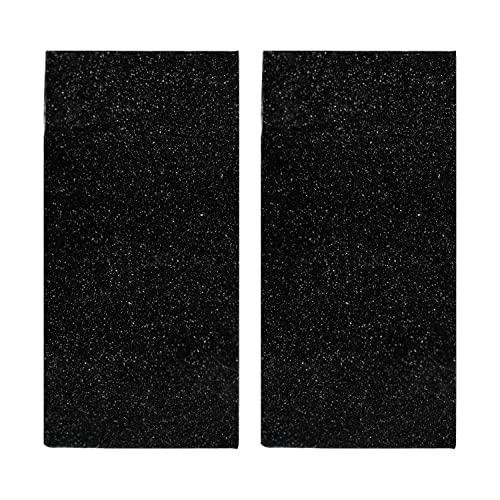
- Activated charcoal deodorizer bag for spray tan room
- Door/window fans or portable fans for cross-ventilation
- Ventilation strips or a lightweight exhaust fan (optional)
- Small bowls of baking soda or white vinegar (as a backup deodorizer)


Before You Start
Prepare the space by opening windows and doors to promote airflow. If ventilation is limited, place an air purifier for spray tan odor HEPA carbon filter near the spray tan area to continuously clean the air. Keep surfaces dry to prevent the odor from clinging to fabrics. Allow at least 30–60 minutes of airing time after a session for best results, longer in smaller or poorly ventilated rooms.
Step-By-Step: How To Get Rid Of Spray Tan Smell
- Ventilate the space by opening windows and doors and using fans to create cross-ventilation. Fresh air reduces odor buildup quickly.
- Run an air purifier with a HEPA carbon filter in or near the room. This actively captures particles and neutralizes odors as it circulates air.
- Apply odor control spray in the room, focusing on corners, walls, and surfaces that may absorb the smell. Reapply as needed according to product directions.
- Place activated charcoal deodorizer bags around the room, especially near the source and in corners where air exchange is slower. Charcoal absorbs lingering odors over time.
- Address fabrics and soft surfaces by airing curtains, blankets, and towels. If possible, run a quick wash cycle or hang items outdoors to freshen.
- Wipe down surfaces with a mild cleaner to remove any residue that could trap odor. Dry thoroughly to prevent damp odors.
- Re-evaluate with a detector after 15–30 minutes. If the odor persists, extend ventilation and reapply odor control products as needed.
- Repeat as necessary for consistent results, particularly after multiple sessions or in smaller rooms.
- Maintain ongoing freshness by keeping a small supply of odor neutralizers and charcoal deodorizers on hand for future sessions.
Troubleshooting
| Symptom | Likely Cause | Fix | Prevention |
|---|---|---|---|
| Odor lingers after ventilation | Insufficient air exchange or lingering surface residue | Increase airflow; wipe surfaces; reapply odor neutralizer | Ventilate for longer during and after sessions |
| Smell returns after a day | Fabrics or soft furnishings absorbed odor | Air fabrics outdoors or wash; use charcoal deodorizer bags nearby | Cover fabrics during sprays; use protective room dividers |
| Air purifier seems ineffective | Filter not properly sized or clogged | Replace HEPA/carbon filter; relocate purifier closer to source | Run purifier continuously for 1–2 days after sessions if possible |
| Unusual chemical smell | Cleaner or product interaction | Switch to milder cleaners; ensure proper ventilation | Test a small area before full use |
| Charcoal bags reach saturation | Overwhelming odors exceed absorption | Replace bags or refresh by sunlight exposure | Rotate multiple bags for even coverage |
Common Mistakes
- Relying on a single method; odors often require a combination of ventilation, filtration, and absorption.
- Blocking airflow with closed doors or heavy furniture; maintain clear paths for air movement.
- Neglecting fabrics; odors cling to curtains, towels, and upholstery if left untreated.
- Overusing scented products; some fragrances can mix poorly with spray tan odors.
Tips For Best Results
- Schedule a quick air-out window after each spray tan session to minimize odor buildup.
- Place an activated charcoal deodorizer bag for spray tan room near the source for best absorption.
- Combine odor neutralizer spray for spray tan smell activated charcoal with ongoing filtration for sustained freshness.
- Keep an inexpensive backup supply of baking soda in a shallow dish for additional odor absorption.
- Test products in a small area first to avoid staining or residue on walls or fabrics.
Call A Professional
Consider contacting a professional if the odor persists for several days despite repeated airing, cleaning, and filtration. Seek help if you notice signs of mold or moisture buildup around the spray tan area, or if you suspect chemical sensitivities that require specialized solutions.
FAQ
Can an air purifier remove all spray tan odors?
An air purifier with a HEPA carbon filter can significantly reduce odors by removing particles and volatile compounds, especially when used with proper ventilation.
What is the best way to ventilate a small bathroom after a spray tan session?
Open the door, crack a window if possible, and use a portable fan to push air toward an open window or vent.
Do activated charcoal products work instantly?
Activated charcoal works gradually as it adsorbs odor-causing molecules; for best results, place bags around the room and replace as needed.
How long should I air out a room after a spray tan?
Typically 30–60 minutes of active airing is helpful, but larger or more enclosed spaces may require longer time or repeated sessions.
Buying Guide
When choosing gear to manage spray tan smells, consider size, placement, and maintenance. A compact air purifier with a carbon filter is suitable for bathrooms and small rooms, while larger spaces benefit from bigger units or multiple purifiers. Look for products with a true HEPA filter in combination with an activated carbon stage for odor control.
Key factors include size, which should match the room, and noise level, especially in bedrooms or living spaces. Energy efficiency matters for long-term use, so check wattage and run-time. Controls should be intuitive, with easy scheduling and filter alerts. For placement, position purifiers away from walls to maximize airflow and near the odor source if possible. Consider multi-pack options like activated charcoal deodorizer bags for flexible coverage. This combination helps maintain a fresh environment between spray tan sessions.
Friendly tip: keep a small, organized kit with your odor-control tools so you can quickly freshen any room after a spray tan session. Regular maintenance—replacing filters and refreshing charcoal bags—ensures consistent performance and a consistently pleasant space.
Leave a Reply