How to Clean an Itchy Sofa
Soothing a sofa that causes itchiness often starts with proper cleaning and renovations to remove irritants like dust, pet dander, and residual cleaners. This guide walks American readers through practical, product-backed steps to refresh fabric sofas while minimizing irritation risks.
Quick Answer
Use a combination of a handheld upholstery steamer for deep cleaning, an upholstery vacuum attachment brush set for dust removal, and a fabric sofa stain remover spray kit with microfiber cloth for spot treatment. For sensitive skin, test cleaners in an inconspicuous area first and allow fabrics to dry completely before use.
What You’ll Need
- Handheld upholstery steamer for sofa cleaning
- Upholstery vacuum attachment brush set
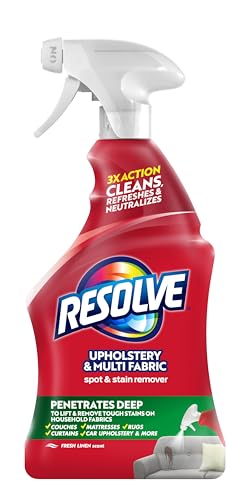
- Fabric sofa stain remover spray kit with microfiber cloth


Before You Start
Prepare the room by removing cushions and lifting furniture away from walls. Vacuum the entire sofa to remove surface dust before applying any moisture. Always test a small, hidden area with cleaners to ensure colorfastness. Be mindful of fabric type (cotton, polyester, velvet, leather) and follow the manufacturer’s care instructions. Estimated time: 60–120 minutes for a full refresh. Important cautions: avoid over-wetting fabrics, keep electrical cords away from water, and unplug devices when not in use.
Step-By-Step: How To Clean An Itchy Sofa
- Remove cushions and vacuum both sides of each piece using the upholstery vacuum attachment brush set to lift dust and allergens.
- Inspect fabric for stains or spots; lightly dampen a microfiber cloth and test the stain remover spray kit on an inconspicuous area.
- Apply a light, even mist of fabric sofa stain remover spray to stained areas; blot with a clean microfiber cloth rather than rubbing, to prevent fiber damage.
- Use the handheld upholstery steamer on a low setting to lift nap and remove embedded dust; work in small, vertical passes to avoid over-wetting seams.
- Steam and vacuum in alternating passes to dry and extract moisture, focusing on areas that experience more contact, such as armrests and seat cushions.
- For dense fabrics, run a dry microfiber cloth over the surface after steaming to capture residual moisture and improve softness.
- Reassemble cushions and let the sofa air-dry fully before use; aim for at least 4–6 hours in a well-ventilated room.
- Replace cushions in their original orientation; fluff and rotate cushions over time to maintain even wear and reduce irritants buildup.
- Reinspect for any remaining spots; repeat stain treatment only on the affected areas to avoid over-saturation.
- Perform a final light vacuum to remove any loosened fibers or dust that surfaced during cleaning.
- Consider a preventive routine: monthly light vacuuming and quarterly deeper cleanings with the steamer to reduce irritants long-term.
Troubleshooting
| Symptom | Likely Cause | Fix | Prevention |
|---|---|---|---|
| Persistent itchiness after cleaning | Cleaning residues or dust not fully removed | Rerun vacuuming and blot with clean microfiber cloth; steam lightly for deeper lift | Use minimal moisture; test products first |
| Color fade after cleaning | Over-wetting or harsh cleaners | Blot instead of rub; use only fabric-appropriate cleaners | Spot test; follow care labels |
| Stains reappearing | Under-treated stains or deep fibers | Reapply stain remover to affected area and repeat blotting | Address stains promptly |
| Fabric appears stiff after cleaning | Moisture retained in fibers | Increase airflow; use a dry microfiber cloth to finish |
Common Mistakes
- Over-wetting fabric, which can lead to mildew and odor
- Rubbing stains aggressively, causing fiber fray
- Using cleaner not compatible with fabric type
- Neglecting to test cleaners in a hidden area
- Skipping thorough drying, which can irritate skin later
Tips For Best Results
- Schedule cleaning when you have several dry, mild-weather hours available for airing out the room.
- Replace or rotate vacuum attachments to optimize reach under cushions and along seams.
- Lightly shake cushions outside to remove loose dust before bringing them back in.
- Choose fragrance-free cleaners if sensitive skin is a concern.
- Keep pets off the sofa during and after cleaning until fabrics are completely dry.
Call A Professional
Seek professional help if the fabric is delicate, antique, or heavily stained, or if eczema or dermatitis symptoms persist after cleaning. Signs to contact a pro include persistent itching after multiple cleanings, water stains that cannot be removed, or dye transfer that requires specialized solvents. A professional can perform advanced extraction, color-safe treatments, and safe fabric restoration.
FAQ
Is it safe to use a steam cleaner on all sofass?
Most fabrics respond well to steam, but some delicate materials, such as silk or untreated leather, should be avoided. Always check the care label before steaming.
How often should I clean an itchy sofa?
For households with allergies or sensitivities, a light vacuum weekly and a deeper clean every 1–3 months is reasonable, depending on use and staining.
Can I use regular household cleaners on my fabric sofa?
Yes, but only if the product is labeled safe for upholstery and compatible with your fabric type. Test first in a hidden area.
What should I do if stains reappear after cleaning?
Re-treat the stain promptly with the stain remover, blot gently, and consider a second pass with the steam cleaner focused on the area.
How long does it take for a cleaned sofa to dry completely?
Drying time varies by fabric and room conditions, but most sofas dry within 4–6 hours in a well-ventilated space.
Buying Guide
Choosing the right tools for cleaning a sofa that irritates skin depends on fabric type, room size, and routine. Consider size, noise level, energy efficiency, controls, and placement when selecting equipment.
Key buying factors
- Size: Compact handheld steamers fit small to medium sofas; larger models speed up bigger jobs but may be heavier.
- Noise level: Look for quiet operation if you’re sensitive to sound during cleaning.
- Energy efficiency: Choose energy-efficient steamers and vacuums to minimize power use.
- Controls: Variable steam settings and adjustable suction offer versatility for different fabrics.
- Placement: Consider cords length and maneuverability around cushions and corners.
Product matchups
- Handheld upholstery steamer for sofa cleaning: Good for spot cleaning and nap lifting on most fabric types
- Upholstery vacuum attachment brush set: Essential for dust removal and micro-particle lift
- Fabric sofa stain remover spray kit with microfiber cloth: Focused stain treatment with soft cloth application
Leave a Reply