How to Get Rid of Spiders in Bedroom
Spiders in the bedroom can be unsettling for many people. This guide offers practical, humane, and effective steps to reduce spider presence, minimize trapping, and keep your sleeping zone comfortable. The strategies blend basic cleaning, deterrents, and safe tools that are suitable for most American homes.
Quick Answer
Combine prevention, targeted removal tools, and gentle repellents: declutter corners, seal entry points, use a spider catcher for safe removal, place sticky traps in problem areas, and apply peppermint-based repellent spray to deter new visitors.
What You’ll Need
- Spider catcher extendable long reach 23 inch tool
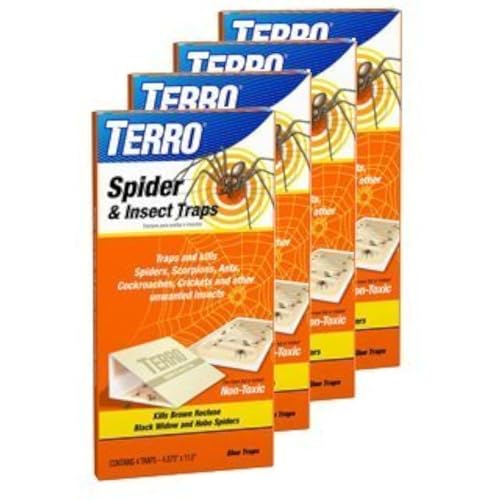
- Indoor sticky spider traps 4-pack
- Peppermint essential oil spider repellent spray 8 oz


Before You Start
Assess sleeping areas first: corners near the bed, behind dressers, and along baseboards are common hideouts. Safety and setup matters: keep sprays away from bedding and use repellents that are safe for indoor use. Plan a routine that fits your schedule, aiming for a quick 15–30 minute nightly maintenance. If you have pets or small children, choose products labeled pet-safe and avoid direct contact with skin or eyes.
Estimated time: about 30–60 minutes for a first pass, then ongoing 10–15 minutes per week for maintenance.
Step-By-Step: How To Get Rid Of Spiders In Bedroom
- Clear the area: remove clutter from under the bed, corners, and along window sills to reduce hiding spots.
- Inspect entry points: seal gaps around doors, windows, and vents with weatherstripping or caulk to cut off spider access.
- Use the spider catcher: carefully extend the 23-inch tool to trap and relocate any spiders without direct contact. Drop them outside away from living areas.
- Set sticky traps: place indoor sticky spider traps along baseboards, behind furniture, and near suspected entry points. Check and replace as needed.
- Apply peppermint spray: lightly mist peppermint essential oil spider repellent spray 8 oz around door frames, windowsills, and corners. Avoid spraying directly on fabrics or bedding.
- Keep surfaces dry: fix any leaks and reduce damp spots to discourage damp-loving spiders.
- Trim vegetation near the exterior: keep shrubs and mulch away from the bedroom walls to minimize outdoor-to-indoor migration.
- Vacuum regularly: a quick weekly vacuum removes webs and eggs in high-traffic areas.
- Create a routine: perform a short nightly check before bed and a deeper weekly sweep of problem zones.
- Monitor results: after a week, reassess door seals and trap placements; adjust as needed for ongoing control.
- Rotate prevention methods: switch between repellents and traps every few weeks to reduce spider adaptation.
- Practice eco-friendly cleanup: dispose of captured spiders and used traps promptly to maintain a clean, low-dust environment.
Troubleshooting
| Symptom | Likely Cause | Fix | Prevention |
|---|---|---|---|
| Spiders return after a week | Unsealed gaps or new openings | Re-seal entry points and reassess nearby vegetation | Ongoing door/window seals, regular yard maintenance |
| Sticky traps fill quickly | High spider activity in the area | Move traps to corners and along baseboards; add another trap line | Keep area dry and reduce clutter |
| Spray seems ineffective | Product compatibility or dilution | Ensure correct product use and reapply as directed | Alternate with traps or catcher between applications |
| Spiders near bed posts | Habitat near sleeping area | Move sleeping setup slightly away from walls; seal gaps | Regular cleaning and fabric-free zones around bed |
Common Mistakes
- Overlooking small cracks and gaps in walls and windows
- Relying on a single method without combining deterrents
- Spraying repellents directly on bedding or alarmingly strong concentrations
- Using traps as the sole solution without addressing entry points
- Neglecting routine maintenance after initial success
Tips For Best Results
- Place traps along lines of travel—baseboards, behind furniture, and under-nightstands—to catch late-night wanderers.
- Rotate repellents every few weeks to avoid spiders building tolerance.
- Keep lighting to a minimum at night; brighter lights attract insects that spiders feed on.
- Combine a bedtime check with a quick vacuum of visible webs to disrupt ongoing activity.
- Store cleaning supplies in closed cabinets to reduce accessible hiding spots.
Call A Professional
Consider contacting a pest control professional if: the spider presence persists despite consistent use of prevention methods, you encounter many large or venomous spiders, or you notice structural issues that may invite infestation. If you experience multiple bites, severe allergic reactions, or signs of a larger infestation, seek professional help promptly.
FAQ
Are spider catchers safe to use indoors?
Yes, spider catchers allow safe removal without direct contact, reducing the risk of bites and disturbing pets or children.
Do peppermint sprays repel all spider species?
Peppermint oil helps deter many common house spiders but is not a universal solution; combine with physical barriers and traps for best results.
How often should I replace sticky traps?
Check weekly and replace when traps are full or after noticeable activity shifts.
Can I use essential oils other than peppermint?
Some essential oils such as eucalyptus or lemon can have deterrent effects, but peppermint is most commonly recommended for indoor use in bedrooms.
Buying Guide
When selecting tools and deterrents to keep spiders at bay, consider these factors to optimize performance and comfort in the bedroom.
- Size and reach: A long-reach spider catcher helps access corners without bending or reaching awkwardly.
- Effectiveness of traps: Indoor sticky traps with clear placement guidelines work best near baseboards and furniture legs.
- Deterrent options: Peppermint-based repellents are popular for indoor use; check scent strength and coverage area relevant to your room size.
- Safety and suitability: Choose products labeled for indoor use and safe around children and pets; avoid direct contact with bedding and skin.
- Placement flexibility: Tools and sprays should be easy to reposition as your room layout changes.
- Maintenance feel: Quick-to-use systems reduce the likelihood of skipping routine checks during busy weeks.
Looking for a balanced approach? A combination of a spider catcher, traps, and a peppermint spray provides a practical, low-stress routine that fits many American bedrooms. Would you like help tailoring placement based on your room layout?
Leave a Reply