How to Clean White Fur: Easy Steps for a Fresh Look
Cleaning white fur, whether a plush throw or a faux fur coat, can be tricky. The goal is to remove dirt and stains without dulling the fabric or causing color issues. This guide offers practical, safe methods tailored for white fur surfaces and products designed to help.
Quick Answer
Light, regular maintenance with a soft brush and gentle spot treatment often keeps white fur looking bright. For tougher stains, a targeted spray and a small washing kit can restore texture without soaking the fur thoroughly.
What You’ll Need
- White faux fur cleaning brush for gentle brushing
- Faux fur stain remover spray for white fur for spot treatment
- Faux fur washing kit for deeper cleans
- Soft towels or cloths
- Water or mild detergent (gentle, pH-balanced)
- Optional: a clean hairdryer on cool setting for drying shape
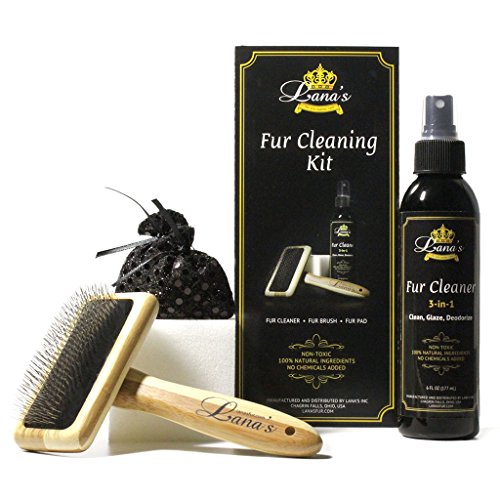 |
Lana’s Fur Cleaning Kit | |
 |
Grandma’s Secret Spot Remover Laundry Spray – Chlorine, Bleach and Toxin-Free Fabric Stain Remover for Clothes – Removes Oil, Paint, Blood and Pet Stains – 16 Oz, 2 Pack |
Before You Start
Assess the fur type and any care labels. Apply testing on a hidden area if possible. Work in a well-ventilated space and protect nearby surfaces. Plan for a drying window of several hours to prevent stiffness. Avoid heat exposure and rough brushes, which can damage fibers or cause pilling.
Step-By-Step: How To Clean White Fur
- Gently brush the surface with the white faux fur cleaning brush to lift dust and prevent matting.
- Spot-treat any stains with the faux fur stain remover spray for white fur, following the product instructions and testing first on a hidden area.
- For small areas, dab with a damp cloth and a drop of mild detergent, then blot to lift grime without saturating the fur.
- If the item is washable via the faux fur washing kit, follow the included steps for a safe, shallow wash. Do not submerge excessively.
- Rinse gently with clean water or a rinse cycle in the washing kit, ensuring all detergent is removed. Lightly press to remove excess moisture.
- Lay flat on a towel in a well-ventilated area. Reshape the fur while damp to maintain fluff.
- Use a cool hairdryer in short bursts to help fluff the fur back to its original shape, or let it air dry completely.
- Once dry, brush again with the cleaning brush to restore nap and prevent matting.
- Inspect for any remaining stains; repeat treatment only on the affected area with care to avoid over-wetting.
- Store fresh and dry to prevent moisture-related odors and fabric damage.
- For delicate or heavily soiled pieces, consider professional cleaning to maintain fur integrity and color.
- Regular maintenance, including light brushings after wear, keeps white fur looking pristine longer.
Troubleshooting
| Symptom | Likely Cause | Fix | Prevention |
|---|---|---|---|
| Dulls or yellowing nap | Surface dirt buildup | Light brushing + spot treatment | Prevent with routine cleaning |
| Streaks after cleaning | Uneven detergent residue | Rinse thoroughly, repeat with clean water | Use minimal product and avoid over-wetting |
| Stiff, crunchy fibers | Over-drying or heat exposure | Re-wet lightly and brush while damp | Air dry or use cool setting |
| Color transfer to other fabrics | Too much moisture or improper product use | Isolate item, use color-safe products | Test spot first |
| Persistent odor | Moisture retained | Thorough drying and brushing | Ensure complete drying before storage |
Common Mistakes To Avoid
- Using hot water or high heat, which damages fibers
- Over-wetting white fur, leading to stiffness or warping
- Rubbing aggressively, which can cause shedding or matting
- Ignoring labels or care instructions, risking color loss
Sticking to gentle methods and using purpose-made products helps preserve the look and texture of white fur over time.
Tips For Best Results
- Brush regularly to keep the nap fluffy and prevent dirt buildup
- Spot-treat stains promptly before they set
- Test any product on a hidden area first to confirm colorfastness
- Avoid strong solvents or bleaches that can damage fibers
- Store fur items away from direct sunlight to prevent yellowing
Call A Professional
Seek professional cleaning for large, worrying stains or if the fur is vintage or highly valued. Stop and contact a pro if you notice persistent odors, color fading, fraying edges, or significant fabric damage after cleaning attempts.
FAQ
Can I wash faux fur in a normal washing machine?
Yes, but use a gentle cycle with cold water and a small amount of mild detergent, and follow the faux fur washing kit instructions if provided.
Is a brush necessary after cleaning?
Yes. Brushing restores nap and prevents matting after cleaning and drying.
How do I dry fur without damaging it?
Air dry flat or use a cool hairdryer in short bursts to reshape fibers. Avoid high heat.
Will the color fade after cleaning?
When using proper products and gentle methods, color fade is minimized. Always test on a hidden area first.
What if there are stubborn stains?
Apply the stain remover spray to the affected area, wait as directed, then blot and rinse. If unresolved, repeat once and consider professional help.
Buying Guide
When choosing tools and products for cleaning white fur, consider size, material compatibility, and ease of use. A well-rounded kit should include a dedicated faux fur washing kit, a gentle white faux fur cleaning brush, and a faux fur stain remover spray for white fur for spot work. Look for products labeled safe for synthetic fibers and colorfast fabrics. Quiet, lightweight brushes reduce wear on delicate nap, while stain sprays should specify compatibility with faux fur to avoid residue or stiffness. For larger items, consider kits that offer gentle agitation settings to minimize friction. Finally, ensure you have a clean, ventilated drying area to promote quick, safe drying and help maintain fluff.
Leave a Reply