How to Get Rid of Single Strand Knots
Single strand knots can appear on all hair types, especially when hair is dry, tangled, or combed from ends to roots. This guide explains practical steps and the best tools to ease tangles without breakage, using everyday routines and safe techniques for American households.
Quick Answer
Targeted detangling tools and a gentle routine are key. Start with a wide-tooth detangling comb for knot-prone hair, then use a detangling brush with flexible bristles for wet hair. Finish with a silicone scalp massager brush to soothe the scalp while detangling. Apply light hair products to reduce friction and avoid harsh combing when hair is dry.
What You’ll Need
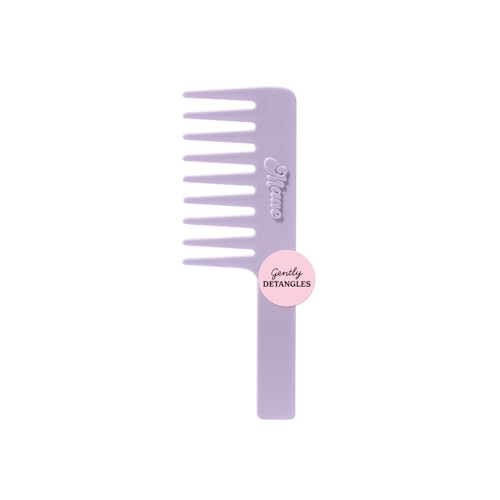
- Wide-tooth detangling comb for knot-prone hair
- Detangling brush with flexible bristles for wet hair
- Silicone scalp massager brush for detangling and scalp care


Before You Start
Assess your hair type and current condition. Detangling works best on damp, not soaking-wet hair or completely dry hair. Begin with a towel pat to remove excess moisture. Use a heat protectant if you style with heat. Keep sessions gentle and patient to prevent breakage. Plan for 10–15 minutes, depending on hair length and texture.
Step-By-Step: How To Get Rid Of Single Strand Knots
- Gently blot hair with a microfiber towel to remove excess moisture; avoid rough rubbing that creates knots.
- Apply a light detangler or leave-in conditioner to soften strands, focusing on the mid-lengths and ends.
- Begin with the wide-tooth detangling comb for knot-prone hair, starting at the ends and gradually working upward.
- Turn to the detangling brush with flexible bristles for wet hair for any stubborn knots near the mid-shaft, using short strokes.
- Work section by section, using slow, small motions to prevent pulling or snapping of hair fibers.
- After detangling, rinse with cool water to help seal the cuticle and reduce frizz before styling.
- Apply a lightweight leave-in product or serum to lock in moisture and minimize future knot formation.
- Use the silicone scalp massager brush for detangling and scalp care during shampooing to promote circulation without tugging hair.
- Dry hair with minimal friction by blotting and letting it air-dry partially before styling; avoid rough towel drying.
- For ongoing prevention, brush hair from ends to roots regularly and adjust routine for seasons or changes in humidity.
- Inspect knots only in the outermost layers; gently release them before brushing in longer, careful passes.
- If knots persist in certain areas, consider trimming split ends to reduce snagging during detangling.
Troubleshooting
| Symptom | Likely Cause | Fix | Prevention |
|---|---|---|---|
| Excessive breakage after combing | Dry, brittle hair | Use moisture-rich products and avoid brushing when dry | Regular conditioning; gentle detangling routine |
| Knots near the roots | Triction from brushing | Detangle from ends first, loosen knots gradually | Keep hair moisturized and avoid aggressive brushing |
| Pieces tearing off during detangling | Dirty or stiff brush | Clean tools regularly; replace old brushes | Use tools designed for knot-prone hair |
| Scalp irritation after use | Excessive pressure | Light touch, shorter sessions | Switch to softer bristles and a silicone massager |
Common Mistakes
- Brushing hair when it is completely dry and brittle
- Rushing through knots, causing snagging and breakage
- Using harsh or old tools that are stiff or dirty
- Overloading hair with heavy products, which can weigh strands down
Tips For Best Results
- Detangle in sections to manage knots more precisely.
- Use products labeled for detangling and moisture retention.
- Keep brushes clean to prevent reintroducing debris into hair.
- Switch between tools depending on hair condition: dry vs wet.
- Incorporate scalp care to improve overall hair health and manageability.
Call A Professional
Seek professional help if you notice significant hair shedding, persistent scalp irritation, or if knots recur despite consistent detangling. A licensed stylist can assess your hair health, advise on tailored products, and offer precise trimming guidance when needed.
FAQ
Can detangling tools cause damage?
Used correctly, detangling tools reduce breakage by distributing pressure evenly and easing knots.
Should I detangle wet or dry hair?
Detangle primarily on damp hair with a moisturizing product; dry detangling increases snagging risk.
What if knots keep returning after detangling?
Consider a deeper conditioning treatment and check for environmental factors or rough hair routines.
Are there alternatives to brushes and combs?
Finger detangling with a light conditioner can work for very fragile hair, followed by careful tool use.
Buying Guide
Key buying factors help choose the right detangling tools tailored to knot-prone hair. Consider size, weight, and grip comfort for longer sessions. Noise level matters for morning routines or shared spaces. Energy efficiency isn’t typically a factor for manual tools, but battery-powered massagers should be inspected for low heat and long life. Look for easy-to-clean materials and flexible bristles that glide through hair without snagging. Placement of the tools in a reachable bathroom drawer improves consistency. Compare models by their effectiveness at detangling, ease of use, and scalp comfort.
Leave a Reply