How to Remove Chlorine From Tap Water
Chlorine is commonly added to municipal water supplies to disinfect water. While it helps prevent pathogens, many people prefer its absence for taste and odor reasons. This guide explains practical, effective ways to reduce or remove chlorine from tap water in typical American settings.
Quick Answer
For quick, practical results, use a dedicated activated carbon pitcher or an inline carbon filter, or install an under-sink reverse osmosis system. Each option effectively reduces chlorine and improves taste, with varying installation effort and ongoing maintenance requirements.
What You’ll Need
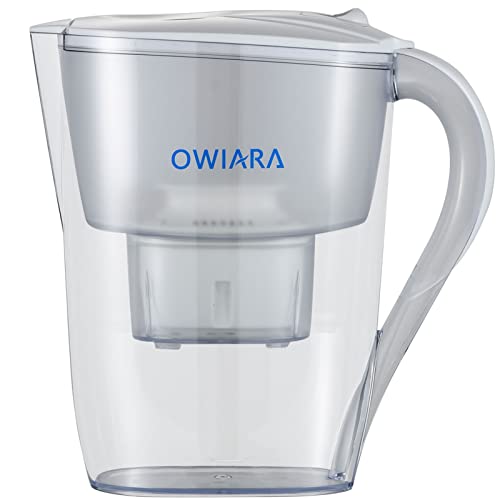
- activated carbon water filter pitcher chlorine removal 10-cup
- under-sink reverse osmosis water filtration system chlorine removal
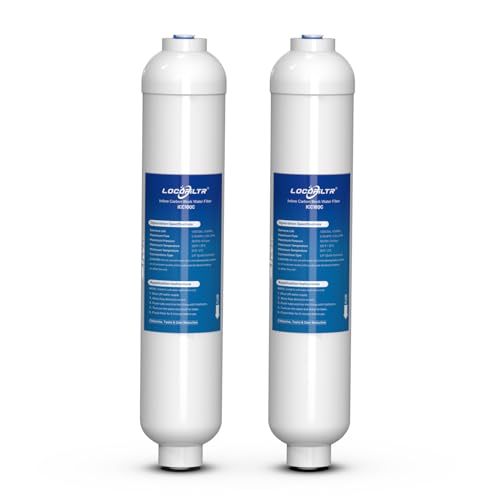
- inline carbon block water filter cartridge chlorine removal for tap water

Before You Start
Assess your water usage and space for installation. Check local water quality reports to confirm chlorine levels and other contaminants. Ensure you have clear access to under-sink plumbing or countertop area for a filter system. Follow manufacturer instructions for installation and filter changes, and replace cartridges on schedule to maintain chlorine removal efficacy. Time investment ranges from 15 minutes for a pitcher setup to a few hours for a full under-sink or inline system.
Step-By-Step: Remove Chlorine From Tap Water
- Choose a removal method: pitcher, inline filter, or under-sink RO system based on space and consumption.
- Inspect the cold-water line under the sink if installing an inline or RO system.
- Turn off cold-water supply and relieve pressure before disconnecting tubing.
- Install the filter housing or pitcher according to the manufacturer’s directions.
- Flush the system with tap water as recommended to remove new-filter residue.
- Cap and seal all connections, then turn the supply back on slowly to check for leaks.
- Test a sample of water for taste and odor after initial filtration.
- Schedule regular filter changes; carbon-based filters typically require replacement every 2–6 months.
- Combine methods if desired: use a pitcher for drinking water and a dedicated inline/RO system for cooking.
- Maintain the system by keeping the area clean and monitoring filter indicators.
- Document maintenance and replacement dates to stay on schedule.
- Reassess water quality annually or after any noticeable changes in taste or odor.
Troubleshooting
| Symptom | Likely Cause | Fix | Prevention |
|---|---|---|---|
| Water tastes or smells metallic after filtration | Old filter or improper installation | Replace filter and reseat Housing | Follow replacement schedule; flush after installation |
| Leak at connection | Loose fitting | Tighten with appropriate tool | Check seals during every change |
| Low water pressure from faucet | Filter clog or undersized cartridge | Replace cartridge; inspect for bypass | Use recommended filter size for your setup |
| No chlorine removal visible | Filter exhausted | Replace with correct cartridge | Adhere to replacement intervals |
Common Mistakes
- Overlooking cartridge replacement dates
- Using non-specified filters with the wrong flow rates
- Installing filters on hot water lines or without proper cold-water isolation
- Assuming a single filter solves all water quality issues
Tips For Best Results
- Match the filter type to your needs: carbon filters for chlorine, RO for a broader mineral reduction.
- Run a pitcher’s full cycle before collecting drinking water to saturate the carbon.
- Label filter replacement dates and keep spare parts handy.
- Consider combining systems for optimized taste and health considerations.
Call A Professional
Schedule professional help if you notice persistent taste changes after filtration, persistent leaks, or if plumbing modifications are needed. Seek expert assistance for complex installations, non-standard plumbing, or if you want a whole-house solution.
FAQ
Can I remove chlorine with just tap filters?
Yes, carbon-based filters in pitchers, inline cartridges, or under-sink systems are effective for chlorine removal.
How often should I replace carbon filters?
Typical replacement ranges from every 2 to 6 months, depending on usage and filter capacity.
Is chlorine removal safe for all drinking water?
Chlorine removal via carbon filters is generally safe, but verify that the system does not remove essential minerals needed in your diet.
Will reverse osmosis remove all contaminants?
RO systems remove many contaminants, including chlorine, but may also reduce minerals; consider a remineralization option if desired.
Buying Guide
When selecting a chlorine-removal solution, consider size, noise, energy use, controls, and placement. If you mainly drink from a tap, a activated carbon water filter pitcher chlorine removal 10-cup offers a compact, affordable option. For daily use and cooking, an under-sink reverse osmosis water filtration system chlorine removal provides stronger filtration but requires installation and ongoing maintenance. If you prefer immediate filtration at the tap without plumbing changes, an inline carbon block water filter cartridge chlorine removal for tap water integrates into the faucet line. Compare cartridge lifespans, flow rates, and installation complexity to fit your home and budget. Consider how much water you typically consume and where you drink most water to balance convenience with filtration effectiveness. Also assess whether you want a system that remembers filter change alerts or uses manual checks, as well as whether you need a system that integrates with existing plumbing or a standalone countertop solution. Placement should minimize space constraints and ensure easy access for maintenance. Seek certification from recognized bodies to ensure performance claims align with standards.
Leave a Reply