How to Get Rid of Shrimp Smell
Shrimp and other seafood can leave a lingering odor on hands, surfaces, and kitchen spaces. This guide presents practical, science-backed methods to neutralize shrimp smell effectively, using common household tools and consumer cleaners. By following the steps below, you can reduce odor quickly and maintain a fresh kitchen environment.
Quick Answer
For hands, rub with stainless steel deodorizer for hands shrimp smell or wash with soap and cold water, then dry. For rooms and surfaces, activate charcoal odor absorber kitchen seafood smell or enzyme cleaner seafood odor remover spray can help break down odor molecules. Rewash fabrics and sponges as needed.
What You’ll Need
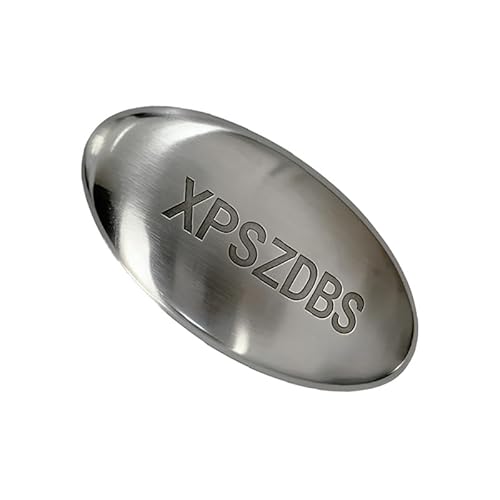
- Stainless steel deodorizer for hands shrimp smell
- Activated charcoal odor absorber kitchen seafood smell
- Enzyme cleaner seafood odor remover spray
- Plain soap, mild dish soap, or hand soap
- Cold water and a clean towel
- Paper towels or a microfiber cloth


Before You Start
Prepare the workspace by ventilating the area with a window or exhaust fan. Test cleaners on a small, inconspicuous area first to avoid damage. Do not mix cleaners (especially ammonia with bleach) as this can release harmful fumes. Time estimates: 5–10 minutes for hands; 15–30 minutes for surfaces, plus 1–2 hours for thorough odor absorption in textiles.
Step-By-Step: How To Eliminate Shrimp Odor
- Rinse hands under cold running water to start removing surface oils that trap odor.
- Rub hands on a stainless steel deodorizer for hands shrimp smell or rub with a mild soap on stainless steel for a minute, then rinse.
- Dry hands completely with a clean towel to prevent lingering moisture that can carry odors.
- For kitchen surfaces, wipe counters, cutting boards, and sinks with enzyme cleaner seafood odor remover spray and allow it to sit for 1–2 minutes before wiping away.
- Place activated charcoal odor absorber kitchen seafood smell near odor-prone areas (near trash, sink, or compost bin) to adsorb lingering smells.
- Spray textiles, dish towels, and aprons with the enzyme cleaner or a fabric-safe deodorizer; air dry thoroughly.
- Wash reusable sponges and cloths in hot water with mild detergent; repeat as needed to remove embedded odors.
- Rinse and dry all cleaned surfaces. If odor persists, repeat the cleaning step or consider placing a larger charcoal absorber in the room overnight.
- Avoid strong air fresheners that can mask odor and interact with cooking smells; instead, rely on odor absorbers and proper ventilation.
- For persistent or stubborn odors, repeat the process with a fresh application of the enzyme cleaner or a dedicated seafood odor remover spray.
- Monitor the space for a few hours, refreshing absorbers as necessary and ensuring fabrics are fully dry to prevent mildew-related odors.
Troubleshooting
| Symptom | Likely Cause | Fix | Prevention |
|---|---|---|---|
| Smell on hands returns after washing | Residual oils or soap not fully rinsed | Rinse hands again with cold water and reapply stainless steel deodorizer | Use a dedicated hand deodorizing step each time you handle seafood |
| Room still smells after cleaning | Odor molecules absorbed by textiles | Spray enzyme cleaner on fabrics or activate charcoal near textiles | Open windows during and after cooking; run a fan |
| Sponges or towels maintain odor | Moisture and organic material trapped inside | Wash on hot cycle or replace; air dry completely | Replace sponges regularly; dry after use |
| Strong chemical smell from cleaners | Overuse or mixing cleaners | Ventilate and dilute usage; avoid mixing | Use one product at a time per area |
Common Mistakes
- Rinsing with hot water, which can set odors into some surfaces
- Using abrasive tools that damage cutting boards or countertops
- Overlooking textiles like towels and cloth napkins that harbor odor
- Relying solely on air fresheners instead of odor absorbers
Tips For Best Results
- Act quickly: early odor control reduces embedding into fabrics and surfaces
- Use cold water for initial rinses to prevent volatile compounds from spreading
- Pair deodorizing steps with good ventilation for faster odor dissipation
- Store seafood odors away from food-prep areas by sealing containers promptly
Call A Professional
Call a professional if odors persist after repeated cleaning, or if there is visible mold or persistent dampness contributing to smells. Seek expert advice for persistent odors in large spaces or commercial kitchens, or if you suspect gas or chemical exposure during cleaning.
FAQ
Can I use lemon juice to remove shrimp smell?
Lemon can help neutralize some odors, but it may not be as effective as dedicated odor absorbers or enzyme cleaners for lingering smells.
Is it safe to mix cleaners with vinegar?
Mixing cleaners with vinegar or other chemicals can release harmful fumes; avoid mixing and use one product at a time.
How often should I replace activated charcoal absorbers?
Replace or refresh absorbers when odor control wanes, typically every few weeks depending on usage and space.
Do I need to wash cutting boards after seafood handling?
Yes. Clean cutting boards with soap and water, then sanitize with a mild solution to prevent cross-contamination and odor.
Will hand sanitizer help with shrimp smell?
Hand sanitizer is not a substitute for washing; it may reduce some surface oils but is less effective for persistent odors.
Can I use the enzyme cleaner on plastics?
Most enzyme cleaners are safe for plastics, but check the product label for material compatibility before applying.
Buying Guide
Choosing the right odor-control tools depends on space size, odor intensity, and how odors spread. Consider these buying factors:
- Size and coverage: For hands, a compact stainless steel deodorizer works well; for rooms, larger charcoal absorbers cover more area.
- Noise level: Some absorbers and small fans add white noise; prefer quiet units for bedrooms or open living spaces.
- Energy efficiency: Choose passive absorbers or energy-efficient sprays that do not require continuous power; use battery or plug-in devices as needed.
- Controls: Look for simple on/off actions, spray triggers, or adjustable charcoal release for tailored odor control.
- Placement: Position absorbers near odor sources (sink, trash, compost) and near textiles in closets or laundry areas.
- Materials compatibility: Ensure cleaners are suitable for countertops, plastics, stainless steel, and fabrics you plan to treat.
- Maintenance: Favor products that are easy to clean or replace and come with clear usage instructions.
- Multi-room needs: In larger homes, you may need a combination of hand deodorizing tools and room odor absorbers for even coverage.
Leave a Reply