How to Get Rid of Beer Smell From Clothes and Home
Beer odors can linger on fabrics, in rooms, and on surfaces, especially after gatherings or spills. This guide provides practical, step-by-step methods using common solutions that work in American homes. Readers will find quick actions, tool lists, and troubleshooting to keep spaces fresh without harsh chemicals.
Quick Answer
Act fast with airflow and immediate cleansing. Use an odor absorber or purifier, treat fabrics with enzyme deodorizers, and ventilate the space. For persistent smells, repeat treatment and combine methods for best results.
What You’ll Need
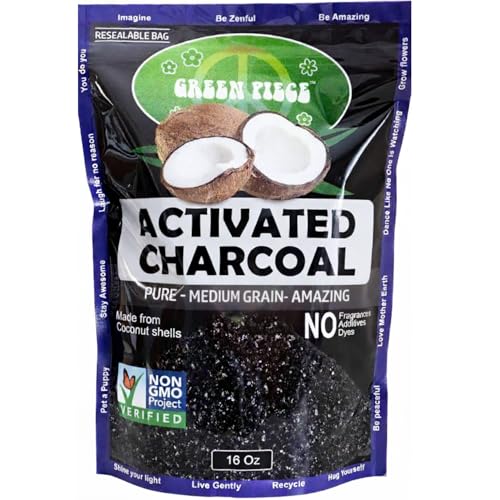
- Activated charcoal odor absorber bag 1lb
- Air purifier with activated carbon filter for odors home
- Enzyme deodorizer spray laundry odor eliminator clothing beer smell
- Optional: clean microfiber cloths, a spray bottle, trash bags


Before You Start
Clear the area of clothing or fabrics that smell strongly of beer. Open windows or run a fan to create movement and help evaporate alcohol compounds. Test any product on a small, hidden area first to avoid discoloration. Time estimates vary: light odors may lift in 30–60 minutes, while heavy smells may require multiple treatments over several hours.
Step-By-Step: How To Get Rid Of Beer Smell
- Place an activated charcoal odor absorber bag 1lb near the source of the odor or in the affected room to adsorb volatile compounds.
- Set up an air purifier with activated carbon filter for odors in the room and run it on a high setting for 30–60 minutes, then lower as the air improves.
- For fabrics, lightly mist with an enzyme deodorizer spray laundry odor eliminator clothing beer smell, focusing on areas with the strongest odor.
- Interleave steps by airing fabrics outdoors if weather allows; sunlight can also help break down odor compounds.
- Wipe hard surfaces with a damp cloth and mild detergent to remove residue that may trap odors.
- Repeat the purifier and charcoal treatment after a short rest to maximize odor adsorption, especially in rooms with persistent smells.
- For clothing and textiles, launder as usual after enzyme treatment, using your regular detergent; add an extra rinse if possible.
- Dry fabrics thoroughly in fresh air or a dryer with a clean lint trap to prevent musty smells from lingering.
- Inspect the area for remaining odor; if necessary, reapply enzyme spray to targeted spots and re-run the purifier.
- Dispose of any absorbent materials that have darkened or saturated with odor, and replace with fresh activated charcoal bags as needed.
- Maintain a routine odor-prevention plan by keeping a purifier running during busy social periods and refreshing carbon filters regularly.
Troubleshooting
| Symptom | Likely Cause | Fix | Prevention |
|---|---|---|---|
| Odor persists after cleaning | Odor deeply embedded in fabric or porous surface | Repeat enzyme deodorizer spray and run purifier longer; consider washing or steam cleaning | Treat promptly, ventilate, and avoid leaving damp fabrics piled |
| All surfaces still smell after treatment | Insufficient air exchange | Increase ventilation or run purifier at higher settings for extended time | Use multiple odor absorbers around the area |
| Unusual residue on fabrics | Over-application of enzyme spray | Blot and rinse areas, then launder with extra rinse | Follow recommended amounts on label |
| Charcoal bag not absorbing odor | Bag saturated or placed too far from source | Move bag closer and replace after saturation | Place bags in multiple locations for thorough coverage |
Common Mistakes
- Overlooking ventilation, which reduces effectiveness of odor removal.
- Overusing sprays, which can leave residues or odors of their own.
- Assuming all odors disappear after a quick pass; some smells require repeated treatments.
- Failing to launder fabrics after enzyme treatment, letting odors linger.
Tips For Best Results
- Coordinate odor treatments with natural airflow: open doors and windows during and after cleaning sessions.
- Place several odor absorbers around the room for even coverage instead of one central location.
- Combine treatments: lightweight misting, purifier operation, and air exposure yield better outcomes than any single approach.
- Use enzyme-based products on fabrics only, and avoid direct contact with delicate materials unless the label permits.
- Keep a routine: place odor absorbers in living rooms after parties and refresh as needed for ongoing protection.
Call A Professional
Consider professional help if strong beer odors persist after multiple attempts, or if odors have penetrated upholstery, carpets, or structural materials. Immediate professional consultation is advised for large spills, persistent mold-like smells, or potential contamination that may affect air quality.
FAQ
Can activated charcoal help with beer smells on furniture?
Yes, an activated charcoal odor absorber bag can adsorb many volatile compounds and reduce lingering odors on furniture when placed nearby.
Is an air purifier essential for this problem?
An air purifier with activated carbon filter can significantly improve air quality and help remove odor compounds in the room.
Will laundry spray deodorize beer smells from clothing?
Enzyme deodorizer sprays designed for laundry can break down odor-causing molecules and improve cleanliness of fabrics.
How long should I run the purifier for best results?
Start with 30–60 minutes for light odors, then extend as needed; persistent smells may require several cycles over a day or two.
Buying Guide
When choosing odor-control tools and products, consider size, noise, and placement. A compact activated charcoal bag works for small rooms and closets, while a larger purifier with a robust carbon filter suits open living spaces. Noise level matters in bedrooms or study areas; look for models rated for quiet operation. Energy efficiency reduces ongoing costs during extended use. Controls should be simple to operate, with clear on/off and timer options. For placement, distribute odor absorbers around the source and keep purifiers in central locations for even air treatment. Compare long-term effectiveness, replacement filter costs, and whether products are fragrance-free or scented to match home preferences.
Leave a Reply