How to Remove Rust Stains From Countertops
Rust stains on countertops can be stubborn, especially on natural stone or composite surfaces. This guide walks American homeowners through safe, effective methods to lift and remove rust without damaging the surface. The steps below emphasize practical products and techniques you can trust for granite, quartz, and similar countertops.
Quick Answer
Act quickly when you notice a rust stain. Use a rust stain remover designed for countertops, try a poultice for deeper stains, and consider a melamine sponge for light marks. Always test a small, inconspicuous area first.
What You’ll Need
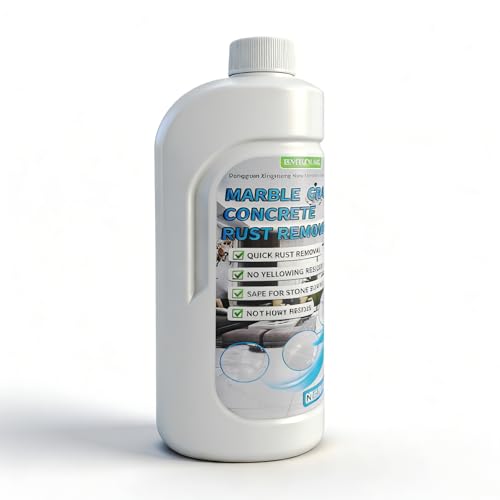
- Granite countertop rust stain remover kit
- Quartz countertop rust stain remover poultice
- Rust stain remover melamine sponge countertop
- Water and mild dish soap for initial cleaning
- Plastic wrap or a breathable cover for poultice use (if applicable)


Before You Start
Prepare a clean, ventilated workspace. Protect surrounding surfaces with tape or a cloth. Wear gloves to protect your skin from cleaners, and avoid acidic products that can etch stone. Plan for a 30–60 minute work window per treatment, plus drying time. Crucial cautions: never apply highly acidic cleaners directly to marble or limestone; follow product instructions carefully; perform a spot test before full application.
Step-By-Step: How To Remove Rust Stains From Countertops
- Identify the countertop type (granite, quartz, or other) to choose the correct rust remover product.
- Clean the area with mild soap and water to remove surface grit and grime.
- Apply the countertop rust stain remover kit to the stained area following the product directions.
- For deeper or older stains, prepare a poultice using the quartz countertop rust stain remover poultice as directed and spread it over the stain.
- Cover the poultice with plastic wrap or a breathable cover and let it sit for the recommended dwell time.
- Remove the poultice, gently rinse, and dry the surface. Inspect for residual stain; repeat if necessary in small sections.
- For light marks, gently scrub with the rust stain remover melamine sponge countertop, applying light pressure in a circular motion.
- Rinse thoroughly and buff dry with a clean cloth to restore the surface’s sheen.
Troubleshooting
| Symptom | Likely Cause | Fix | Prevention |
|---|---|---|---|
| Stain persists after first treatment | Stain is embedded or porous surface | Repeat a second treatment with poultice | Act quickly; seal or reseal stone if appropriate |
| Etching or dull spot after cleaning | Acidic cleaner on sensitive stone | Stop using acids; switch to stone-safe products | Test new products in a hidden area |
| Color change around stain | Improper care or abrasive action | Gentle cleaning, avoid harsh scrubs | Use soft cloths and non-abrasive tools |
| Stain reappears after sealing | Sealant not compatible or not fully cured | Re-seal with recommended product for the countertop | Follow curing times exactly |
Common Mistakes
- Using abrasive pads or scouring powders on sensitive surfaces
- Applying cleaners that are not stone-safe or are too acidic
- Skipping a test patch before treating the full stain
- Over-wetting during poultice application, which can spread the stain
Tips For Best Results
- Test any rust remover on a small, inconspicuous area first to check compatibility.
- Apply poultices evenly and avoid creating puddles that can seep at the edges.
- Use microfiber cloths for gentle drying and to prevent lint residues.
- Consider sealing porous countertops after stain removal to slow future infiltration.
Call A Professional
Seek a professional if stains are deeply set, if the countertop is sealed improperly, or if you notice cracking, color changes, or etching after cleaning. Signs to contact a pro include persistent stains after multiple attempts, damage to the surface finish, or uncertain countertop material (especially natural stone). A qualified technician can assess porosity, assess sealant compatibility, and perform color-safe restoration.
FAQ
What finishes are safe for rust removal on granite countertops?
Use rust removers labeled for granite and follow the manufacturer’s instructions for application and dwell time.
Can I use bleach to remove rust stains from countertops?
Bleach is not recommended for most stone countertops and can cause discoloration or damage; use stone-safe rust removers instead.
Will rust stains disappear completely after treatment?
Many stains lift significantly, but some deep or mineral-rich stains may require multiple treatments or professional restoration.
Is sealing necessary after rust stain removal?
Yes, sealing helps protect porous surfaces from future rust and staining if the countertop material allows sealing.
How long does the poultice need to dry?
Drying times vary by product, but most poultices require several hours up to overnight coverage.
Can I mix rust removers for faster results?
Do not mix cleaners unless explicitly directed by product instructions; mixtures can cause chemical reactions or surface damage.
What if the rust stain reappears after cleaning?
Re-treat the area or consult a professional if stains return, as re-porosity or moisture issues may be involved.
Buying Guide
Choosing the right rust stain removal approach depends on countertop material, stain severity, and maintenance preferences. Consider the following factors to compare options effectively:
- Countertop type: Granite, quartz, and other surfaces respond differently to treatments. Use a product labeled for your material.
- Stain severity: Light stains may respond to a melamine sponge or basic cleaner, while deeper stains may require a poultice.
- Noise and ease of use: Some poultices and kits are hands-on, others are simple spot treatments. Choose based on comfort level.
- Energy efficiency and water use: Most countertop treatments are low-energy; prefer water-efficient methods and minimal mixing.
- Controls and safety: Select products with clear instructions and child/pet-safe usage if relevant.
- Sealing needs: Porous surfaces benefit from sealing after stain removal; verify whether your countertop requires resealing.
- Placement and workflow: Plan nearby workspace, ventilation, and drying time to minimize disruption.
To optimize results, match the product to the material and stain, follow all safety instructions, and perform maintenance to prevent future rust stains. If unsure, consult a professional for a precise assessment and restoration plan.
Leave a Reply