How to Get Rid of Red Tint in Brown Hair
Brown hair can develop a red tint due to sun exposure, chlorine, chemical processing, or mineral buildup. The goal is to neutralize red tones and restore a natural brown tone. This guide provides a practical, step-by-step approach using common salon and at-home products.
Quick Answer
For a quick, effective fix, use a blue-based color-correcting gloss or a purple toning shampoo to neutralize red tones, followed by a color remover kit designed for brown hair with a red tint. If red tones persist, apply a targeted color-correcting glaze to balance brassiness without over-processing.
What You’ll Need
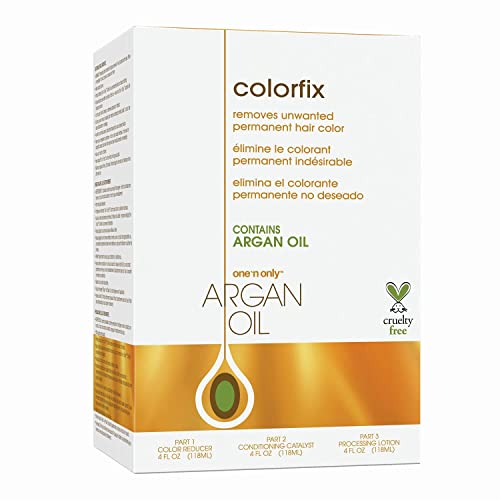
- Color remover kit for brown hair red tint
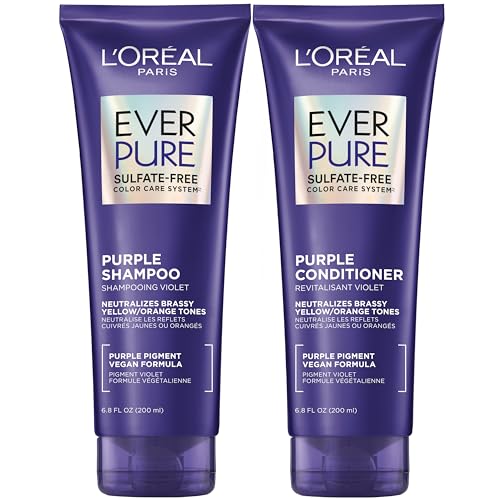
- Purple toning shampoo for brassiness in brown hair
- Blue-based color-correcting gloss for red tones in brown hair
- Gloves, timer, and a color-safe shower cap
- Wide-tooth comb and applicator brush

Before You Start
Read all product instructions before use and perform a strand test 24 hours ahead. Protect skin around the hairline with a barrier cream and wear gloves during application. If you have color-treated or chemically processed hair, note that multiple steps may be required to avoid over-processing. Plan for a 1–2 hour window, including processing times and rinses. Do not use hot tools during processing unless guidelines allow it.
Step-By-Step: How To Neutralize Red Tint In Brown Hair
- Perform a strand test to confirm how your hair responds to the color remover kit for brown hair red tint.
- Follow the kit’s instructions to mix and apply the remover evenly, focusing on areas with the strongest red hue.
- Rinse thoroughly and apply the recommended conditioner or bond-builder if the kit includes one.
- Use the blue-based color-correcting gloss for red tones in brown hair to neutralize remaining red tones. Leave as directed.
- Shampoo with the purple toning shampoo for brassiness in brown hair, leaving it on to counteract any yellow or orange tones.
- Rinse well and apply a deep conditioner or mask to restore moisture.
- Assess color in natural light; repeat steps if necessary, but avoid over-processing.
- Seal the result with a color-safe leave-in conditioner and minimal heat styling for a few days.
Troubleshooting
| Symptom | Likely Cause | Fix | Prevention |
|---|---|---|---|
| Red tint returns after a few washes | Partial removal or uneven application | Reapply color remover kit per instructions or use blue-based gloss | Even application and maintain with color-safe products |
| Hair feels dry after treatment | Over-processing or insufficient conditioning | Use deep conditioner or bond-building treatment | Incorporate regular moisture masks |
| Persistent brassiness | Orange/brass tones not fully neutralized | Alternate purple toning shampoo with blue-based gloss | Avoid mixed-toning conflicts; follow timing guidelines |
| Color looks patchy | Uneven application | Re-tint with even brush strokes and blend edges | Section hair and apply precisely |
Common Mistakes
- Using too strong a remover without strand testing can over-lighten hair.
- Over-relying on a single product; red tones may reappear if underlying pigments remain.
- Ignoring processing times, leading to uneven results.
- Skipping moisture care after chemical treatments.
Tips For Best Results
- Alternate between blue-based gloss and purple toning shampoo to maintain a natural brown balance.
- Schedule treatments with several days of conditioning in between to protect hair integrity.
- Keep swims and showers cool to reduce color fade and brassiness.
- Use color-safe, sulfate-free shampoos to preserve the neutralized tone longer.
Call A Professional
Consider professional help if you notice extreme color discrepancies, significant hair damage, or if the red tint persists after several at-home attempts. Seek a colorist if you have highly porous or previously treated hair, or if you are unsure about mixing products.
FAQ
Can I fix red tint at home without damaging my hair?
Yes, by following the steps carefully, performing strand tests, and using conditioning products to protect moisture.
How often can I use color-removal products on brown hair?
Typically follow the product’s recommended frequency and avoid frequent reapplication to minimize damage.
Will purple toning shampoo remove red tones completely?
It helps neutralize brassiness but may need combination with other color-correcting steps for best results.
Is blue-based gloss safe for all brown hair types?
Most brown hair types benefit, but test first on a small strand, especially for previously processed hair.
How long should I wait between treatments?
Allow at least 1–3 days of conditioning and rest before attempting another color correction if needed.
Buying Guide
When choosing products to correct a red tint in brown hair, evaluate several factors to ensure the best outcome and minimal damage.
- <bSize and coverage: Choose a color remover kit and glosses designed for mid-length to long hair with even coverage capabilities.
- Brassiness neutralizers: Use blue-based gloss for red tones and purple toning products for yellow or orange hues to achieve a balanced brown.
- Hair type compatibility: Check whether products specify suitability for porous or chemically treated hair, which often needs gentler formulations.
- Time and maintenance: Consider processing times, conditioning requirements, and how often you will perform touch-ups.
- Controls and form: Look for kits with clear mixing instructions, protective gloves, and applicator tools for even application.
- Placement and storage: Store products away from heat and sunlight; apply in a well-ventilated area for safety and accuracy.
Ready to tackle red tones at home or with a professional? The right combination of a color remover kit for brown hair red tint, a purple toning option, and a blue-based gloss can restore depth and vibrancy to brown locks without sacrificing health or shine.
Leave a Reply