How to Remove Plaque Between Teeth
Plaque buildup between teeth is a common dental concern that can lead to gum inflammation and cavities if not addressed regularly. This guide explains practical, dentist-approved methods to clean between teeth effectively using everyday tools and proven techniques suitable for most American households.
Quick Answer
For most people, a combination of interdental cleaning and daily flossing is the fastest way to remove plaque between teeth. Use a slim tool to fit between tight spaces, and follow up with brushing. If you wear braces or have implants, add water flossing and flexible picks to reach hard-to-clean areas more thoroughly.
What You’ll Need
- Interdental brushes 0.6mm–1.0mm set slim handle for between-teeth cleaning
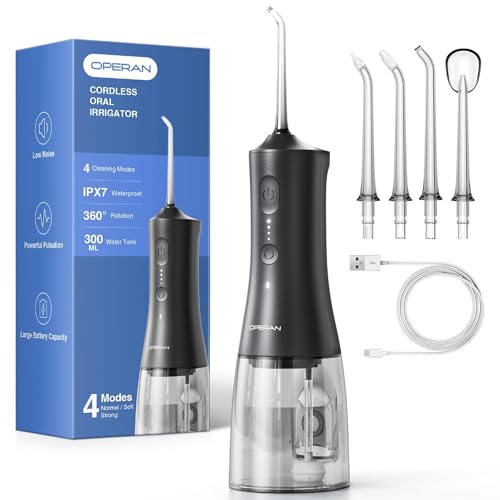
- Cordless water flosser dental irrigator with multiple tips for braces complete kit
- Soft silicone interdental picks dental cleaners between teeth pack


Before You Start
Identify the areas where plaque tends to accumulate—between molars, near the gumline, or around dental work. Rinse your mouth and prepare a clean, well-lit workspace. Always follow manufacturer instructions for any tool, and avoid forcing tools into tight spaces to prevent gum injury. Plan to clean between-teeth areas at least once daily, ideally after meals.
Time estimate: 5–10 minutes per session. If you have braces, implants, or sensitive gums, allocate a bit more time and use gentler devices designed for those conditions.
Step-By-Step: How To Remove Plaque Between Teeth
- Choose the right tool: select an interdental brush or a soft silicone pick that fits the gap without forcing.
- Angle the tool correctly: insert at a 45-degree angle to the tooth surfaces and gumline for effective plaque removal.
- Gentle motions: use small back-and-forth or circular motions to dislodge debris without damaging gums.
- Target multiple areas: work from the front teeth to the back, including behind molars where plaque collects.
- Brush last: after interdental cleaning, brush all tooth surfaces to remove loosened plaque and debris.
- Rinse and inspect: rinse with water or mouthwash and check for any remaining buildup or irritation.
- Consider water flossing: if spaces are tight or you wear braces, switch to a cordless water flosser with adjustable tips for deeper cleaning.
- Clean tools: rinse tools after use and dry them to prevent bacterial growth; store in a clean, dry place.
- Consistency is key: aim for daily interdental cleaning as part of your routine for long-term oral health.
- Complementary routines: maintain regular brushing (two minutes, twice daily) and routine dental checkups every six months.
Troubleshooting
| Symptom | Likely Cause | Fix | Prevention |
|---|---|---|---|
| Gums bleed during cleaning | Gingival irritation or overly aggressive technique | Use gentler pressure and softer tools; pause if bleeding persists | Maintain consistent routine and proper tool selection |
| Tools don’t fit between teeth | Gaps are very tight or tool size is incorrect | Switch to a smaller gauge interdental brush or silicone pick | Measure gaps with a paper clip or use a flexible option |
| Uneven cleaning results | Areas missed due to technique or braces | Follow a systematic pass; use water flosser tips designed for braces | Ask a dentist for a personalized cleaning plan |
| Discomfort around braces | Improper tool choice or incorrect angle | Use braces-friendly tips and lighter pressure | Seek professional guidance on braced-cleaning |
Common Mistakes
- Using brute force to remove stubborn plaque, which can injure gums
- Forgoing interdental cleaning on busy days, leading to buildup
- Relying on a single tool for all gaps, regardless of size or location
- Not following up cleaning with brushing and rinsing
- Neglecting routine dental visits to monitor progress
Tips For Best Results
- Match the tool to the gap: use 0.6mm–1.0mm interdental brushes for most spaces; braces may benefit from multiple-tip water flossers.
- Establish a routine: perform interdental cleaning at the same time each day to build habit.
- Stay gentle: soft silicone picks reduce irritation in sensitive gums and around dental work.
- Combine methods: alternate between brushes and a water flosser to maximize plaque removal.
- Keep tools clean: rinse thoroughly after use and dry before storing to prevent bacteria buildup.
Call A Professional
Seek professional advice if you notice persistent bleeding, pain, or persistent odor despite daily cleaning. If you have braces, recent dental work, or periodontal concerns, schedule a consult for a tailored interdental cleaning plan and to learn any device-specific tips.
FAQ
How often should I clean between my teeth?
Most people benefit from cleaning between teeth once daily, ideally after meals. Brace wearers or those with gum disease may need more frequent care as advised by a dentist.
What is the most effective tool for tight gaps?
Smaller interdental brushes (0.6–0.8 mm) or soft silicone interdental picks are effective for tight spaces without injuring the gums.
Can a water flosser replace traditional flossing?
For many, a water flosser complements flossing and can improve cleaning around braces or implants; however, some clinicians still recommend traditional flossing as part of a complete routine.
Is there a risk of damaging enamel with interdental tools?
When used correctly with gentle pressure and proper angles, the risk is minimal. Avoid forcing tools into spaces and follow manufacturer instructions.
Should I use mouthwash after interdental cleaning?
Mouthwash can help reduce bacteria and freshen breath, but it should not replace mechanical plaque removal between teeth.
What should I do if I have braces and feel discomfort?
Use braces-friendly tips, such as smaller interdental brushes or a gentler water flosser setting, and consult your orthodontist for personalized guidance.
When is it time to see a dentist for cleaning recommendations?
If you notice persistent redness, swelling, or bleeding, or if plaque buildup remains despite daily cleaning, schedule a professional evaluation.
Buying Guide
When choosing tools to remove plaque between teeth, consider these factors to fit your needs and space between teeth:
- Size and fit: Interdental brushes come in various diameters; select the size that comfortably fits between your teeth without forcing.
- Device type: A cordless water flosser can provide deeper irrigation, particularly for braces or implants, but may require more maintenance.
- Gum compatibility: Soft silicone interdental picks are gentler on sensitive gums and can be effective for light to moderate plaque.
- Ease of use: Look for ergonomic handles and easy-change tips to encourage daily use.
- Maintenance: Consider how easy it is to clean and dry tools after each use to prevent bacteria growth.
- Braces and dental work: If you have braces, seek tools specifically designed for orthodontic cleaning and multiple-tip irrigation.
- Noise and power: Water flossers vary in noise level and pressure; match to your sensitivity and household preferences.
- Storage and portability: Compact options suit travelers and small bathrooms, while bulk kits may suit households wanting multiple sets.
Choosing the right combination of interdental brushes, silicone picks, and a water flosser can optimize plaque removal between teeth. Consider a balanced setup that aligns with your dental needs, lifestyle, and comfort level. If in doubt, consult a dental professional for a personalized plan.
Leave a Reply