How to Clean a Living Room Rug
Living room rugs brighten spaces, protect floors, and tie decor together. A clean rug not only looks better but also improves indoor air quality. This guide walks through practical, user-friendly steps to clean most living room rugs, with safe options for wool, synthetic, and mixed fibers.
Quick Answer
For most spills and everyday soil, use a steam cleaner for area rugs with a mild detergent, then blot and air dry. For set stains or high-traffic fibers, a carpet cleaner machine for area rugs combined with a rug stain remover enzymatic cleaner for wool and synthetic area rugs helps lift grime and neutralize odors. Always test a hidden corner first.
What You’ll Need
- Carpet cleaner machine for area rugs
- Steam cleaner for area rugs
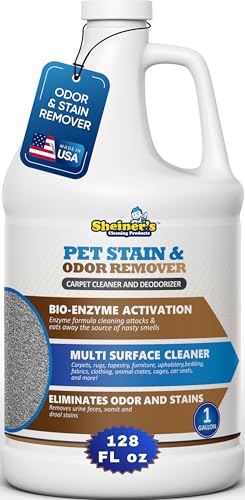
- Rug stain remover enzymatic cleaner for wool and synthetic area rugs

Before You Start
Assess rug material and construction. Wool, cotton, and synthetic rugs respond differently to moisture and cleaners. Check care labels for water temperature and cleaning restrictions. Spot test cleaners on a small, inconspicuous area before full treatment. Time estimates vary: plan 60–180 minutes including drying. Avoid excess moisture that can lead to mold or dye bleeding.
Step-By-Step: How To Clean A Living Room Rug Effectively
- Vacuum the rug thoroughly to remove loose dirt and debris from both sides if possible.
- Address spills immediately by blotting with a clean cloth—don’t rub, which can spread stain.
- Pre-treat stains with the enzymatic cleaner designed for wool and synthetic area rugs; let it sit per label directions.
- Prepare a cleaning solution appropriate for your rug type (follow the cleaner’s instructions) and use a steam cleaner for area rugs for gentle extraction.
- Work in sections, using overlapping passes to avoid missed areas, and avoid over-wetting the fibers.
- Rinse or use a clean suction pass to remove soap residues, then blot with dry towels to remove as much moisture as possible.
- Position the rug flat or hang it safely to dry; ensure airflow and avoid direct sunlight which can fade colors.
- Once dry, vacuum again to lift fibers and restore texture, then inspect for any remaining stains and repeat if needed.
Troubleshooting
| Symptom | Likely Cause | Fix | Prevention |
|---|---|---|---|
| Streaks or uneven cleaning | Uneven solution application | Overlap passes and maintain consistent pressure | Test area first; use manufacturer-recommended settings |
| Color bleed after cleaning | Excess moisture or incompatible cleaner | Rinse thoroughly and air dry; repeat with milder solution | Check dye fastness and care labels |
| Persistent odors | Deep-set odor sources or inadequate drying | Apply enzymatic cleaner and ensure complete dry time | Ventilate area during and after cleaning |
| Fibers feel stiff | Detergent residue | Rinse well and extract cleanly | Use minimal cleaner and thorough extraction |
Common Mistakes
- Using too Much Water or soap, which can lead to mold or dye bleeding.
- Cleaning wool or delicate fibers with harsh chemicals.
- Neglecting a spot test before full cleaning.
- Moving furniture onto a damp rug, which can leave indentations.
Tips For Best Results
For best outcomes, start with regular vacuuming to minimize buildup. When using a carpet cleaner machine for area rugs, choose the lowest effective cleaning setting and gradually increase if needed. After cleaning, accelerate drying with fans or a dehumidifier, and avoid placing the rug on damp floors. If odors persist, a second pass with a targeted enzymatic cleaner often helps neutralize bacteria at the source.
Call A Professional
Consider contacting a professional if the rug is valuable, handmade, or has colorfastness concerns. Stop and seek help if you notice dye bleeding, strong backing damage, or persistent stains after two cleaning attempts. Professional services can tailor methods to fiber type and backing, reducing the risk of damage.
FAQ
Can I machine wash a living room rug?
Most area rugs are too large or delicate for household washing machines; spot cleaning and surface cleaning with appropriate equipment is recommended.
How do I know if my rug is wool or synthetic?
Check the care tag; if unavailable, perform a burn test or consult the rug’s origin. Wool fibers tend to smell like hair when burned and leave ash that crumbles, while synthetics burn with a chemical odor.
Is steam cleaning safe for all rugs?
Steam cleaning is generally safe for many synthetic and semi-synthetic rugs but may not suit all wool or delicate fibers; always test a hidden area first and follow the cleaner’s guidelines.
How often should I clean a living room rug?
High-traffic rugs may benefit from a deep clean every 6–12 months, with light vacuuming weekly and spot cleaning as needed.
Buying Guide
Choosing the right cleaning approach for a living room rug depends on several factors. Size matters: larger rugs may require a dedicated cleaning session with a machine, while smaller throws might be spot-cleaned more easily. Noise level and energy efficiency are practical considerations for frequent use; look for quiet operation and efficient motors. Controls should be simple and intuitive, with clear tank indicators and adjustable cleaning modes. Placement matters too: a rug on a hard surface dries faster but may require more robust extraction. Consider how often you clean, rug materials, and the level of maintenance you’re comfortable with to select the best equipment and cleaners for your home.
Leave a Reply