How to Get Rid of Paint Swirls
Paint swirls are a common issue that can make a vehicle’s finish look dull. With the right tools and technique, you can restore a smooth, glossy surface. This guide explains practical steps you can take at home using commonly available detailing equipment.
Whether you’re dealing with light swirl marks or deeper micro-scratches, the process outlined here emphasizes safe, controlled polishing to minimize risk and maximize results. Readers will learn how to prepare, execute, and verify results without causing new damage to the paintwork.
Quick Answer
Use a dual action polisher or orbital buffer with a suitable polishing compound and soft pads. Work in small sections, use low to medium pressure, and regularly wipe off residue to check progress. Finish with a protective sealant or wax for lasting gloss.
What You’ll Need
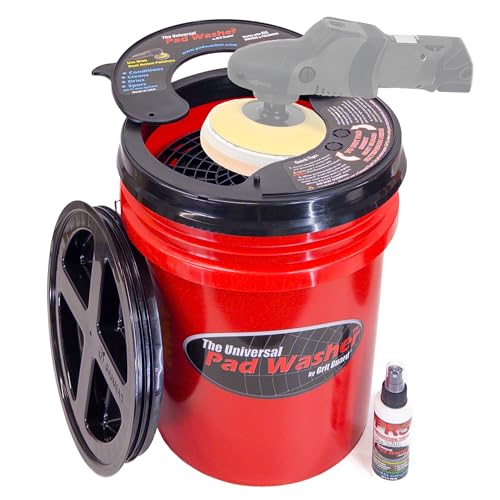
- Dual Action polisher kit with microfiber pads
- car swirl remover kit polishing compound
- orbital buffer polisher with foam pads


Before You Start
Inspect the paint surface under bright light to identify swirl depth. Wash and dry the vehicle thoroughly to remove contaminants. Decontamination steps such as a clay bar can help reduce bonding issues between the pad and paint. Wear eye protection and a dust mask, and work in a shaded, well-ventilated area to avoid heat buildup from the polisher. Time estimate: 60–120 minutes for a typical sedan, depending on swirl severity.
Step-By-Step: How To Remove Paint Swirls
- Set up the workspace and prepare the vehicle by washing, drying, and inspecting the surface.
- Attach the appropriate foam or microfiber pad to the orbital buffer or dual action polisher.
- Apply a small amount of car swirl remover kit polishing compound to the pad or to a small section of the paint.
- Begin with a low setting; use a slow, overlapping pattern to cover each section evenly.
- Work in 2×2 foot sections, gradually increasing pressure only if the surface shows persistent swirl marks.
- Move the tool in a circular path for just a few seconds at a time, then break and wipe away the residue to inspect the finish.
- Repeat with a finer pad or compound if needed to remove remaining swirl lines.
- Buff the area with a clean pad to remove any residue and assess uniform gloss across the panel.
- Apply a protective layer such as sealant or wax to lock in the improvement and add depth to the shine.
Troubleshooting
| Symptom | Likely Cause | Fix | Prevention |
|---|---|---|---|
| Hazy or dull finish | Insufficient polish removal | Wipe and re-polish with a cleaner compound | Follow pad rotation and residue removal steps |
| New scratches after polishing | Too much pressure or wrong pad/selectivity | Reduce pressure, switch to a gentler pad | Test on inconspicuous area first |
| Pad glazing or burning | Overheating the paint | Reduce speed, pause to cool, use shorter passes | Monitor heat with touch; work in shaded areas |
| Persistent swirl lines | Deep or cross-cut scratches | Incrementally step up to more aggressive compounds or professional roto | Limit aggressive passes to avoid clear coat damage |
Common Mistakes
- Using too high speed or force, which can scorch the paint
- Overworking a single area instead of moving methodically across sections
- Skipping panel prep or neglecting clean removal of residue
- Ignoring surface temperature while polishing, leading to uneven results
Tips For Best Results
- Test a small area first to gauge pad and compound compatibility with your paint color and clear coat
- Use light to moderate pressure and keep the pad in motion to avoid heat buildup
- Wipe with a microfiber cloth frequently to monitor progress and prevent dust buildup
- Finish with a reputable sealant or wax to maintain gloss and provide UV protection
Call A Professional
If the paint shows deep scratches, clear coat failure, or you notice color mismatches after polishing, stop and consult a professional detailer. Signs to seek help include persistent holograms, peeled areas, or uneven reflections that don’t improve after standard polishing attempts.
FAQ
What causes paint swirls?
Swirls are typically caused by improper washing, drying with rough towels, or aggressive rubbing with abrasive materials, which abrade the clear coat and create light-reflective lines.
Can I use household products to fix swirls?
Household cleaners can harm the paint; use dedicated car polish and pads designed for swirl removal to protect the finish.
How often should I polish to prevent swirls?
Most vehicles benefit from polishing every 6–12 months, depending on exposure to elements and how well you maintain washing techniques.
Is DIY polishing safe for all paints?
Most modern clear coats respond well to machine polishing when done carefully; older or single-stage paints may require gentler approaches or professional assessment.
Buying Guide
When choosing tools to remove paint swirls, consider how you value speed, control, and finish quality. A Dual Action polisher kit with microfiber pads offers a balance of correction and safety for most hobbyists. If you already own a basic polisher, pairing it with a dedicated car swirl remover kit polishing compound can improve results. An orbital buffer polisher with foam pads provides a lighter, beginner-friendly option that still delivers a smooth finish. For best results, select a kit that includes several pad types and a mid-range polish that suits your paint type and swirl depth. Look for a product line that provides clear instructions and residue-free wipe-down.
Size matters for the working area; larger vehicles benefit from a polisher with a wider head and ergonomic grip to reduce fatigue. Noise level can influence comfort if you work in a residential environment, so consider units with lower RPM ranges and vibration damping. Energy efficiency is less exposed in car care tools but choosing a durable, long-lasting motor reduces ongoing replacement costs. Controls should be intuitive, with variable speed settings and a balanced motor for steady operation. Finally, plan placement in a well-ventilated, shaded workspace to prevent overheating during longer sessions.
Leave a Reply