How to Clean Pig Feet for Safe, Ready-to-Cook Prep
Pig feet, or pork trotters, are a flavorful component in many cuisines. Proper cleaning removes hair, impurities, and surface bacteria, ensuring a clean base for brining, simmering, or braising. This guide provides a practical, step-by-step approach tailored for home kitchens, with tips on tools and safety to streamline the process.
Quick Answer
Rinse, soak, and scrub to remove dirt and hair, then parboil briefly to loosen remaining impurities. Finish with a thorough wash and optional trimming before cooking.
What You’ll Need
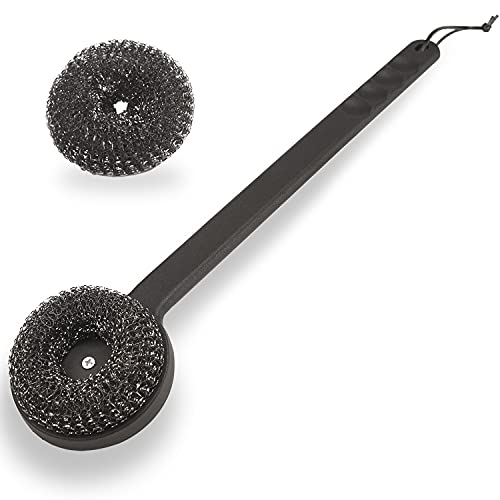
- Stainless steel meat cleaning brush with long handle for scrubbing hard-to-reach areas
- Boning knife set for meat processing for trimming and removing tough bits
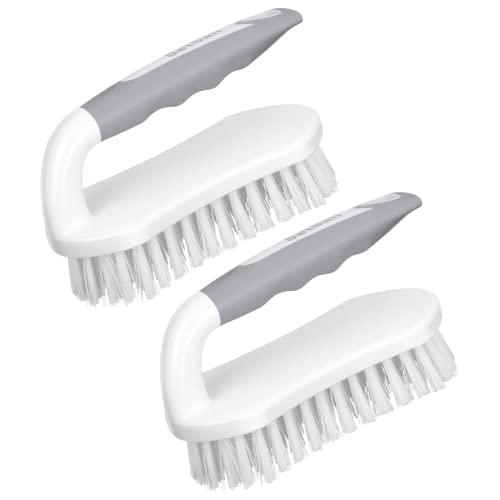
- Heavy duty kitchen scrub brush stiff bristles to remove hair and residue on surfaces
- Cold water source and a clean, designated workspace
- Large pot for parboiling

Before You Start
Prepare a clean, dedicated work area and wear gloves to protect hands from sharp edges. Pig feet may carry hair or bristles; plan for a thorough rinse. Safety note: handle raw meat with clean utensils to prevent cross-contamination. Time estimate: about 20–40 minutes for cleaning, depending on cleanliness and size of the feet.
Mark the area for waste disposal and have a trash bin close by. If you notice a strong odor or unusual color, consider a second rinse before cooking.
Step-By-Step: How To Clean Pig Feet
- Rinse the pig feet under cold running water to remove surface dirt and loose hair.
- Place the feet in a large pot of cold water, and add a splash of an acidic rinse like a tablespoon of vinegar if desired to help loosen impurities.
- Soak for 5–10 minutes, allowing any surface particles to loosen.
- Use the stainless steel meat cleaning brush with long handle to scrub the exterior, focusing on creases where hair and dirt collect.
- Turn the feet to scrub all sides, then use the boning knife set for meat processing to trim off excess hair or stubborn membranes if present.
- Rinse thoroughly, then bring a separate pot of water to a boil and parboil the feet for 5–7 minutes to loosen residual impurities.
- Transfer the feet back to the clean rinse basin and scrub again with the brush, ensuring any scum is removed.
- Repeat a final rinse in cold water. Inspect for any remaining hair or debris and address with the brush or knife as needed.
- Drain well and pat dry with a clean towel. If desired, proceed to brine or cooking steps as your recipe dictates.
- Optionally, trim any uneven edges or excess fat with the boning knife for a uniform cook and cleaner presentation.
- Store cleaned feet in a clean container or refrigerate promptly until use.
Troubleshooting
| Symptom | Likely Cause | Fix | Prevention |
|---|---|---|---|
| Persistent hair or bristles after scrubbing | Hair embedded in creases | Re-scrub with firm strokes using brush | Pre-soak and scrub before parboiling |
| Strong odor after rinse | Residual fluids or contamination | Re-rinse thoroughly; add a splash of vinegar in soak | Maintain clean surfaces and timely washing |
| Unseen hair fragments during cooking | Hair wasn’t fully removed | Double-check with brush and knife | Inspect feet visually after final rinse |
| Slippery surface makes handling difficult | Moisture and fats | Dry hands and work area between steps | Keep a clean towel handy |
Common Mistakes
- Rushing the initial rinse and scrubbing, leaving dirt behind
- Skipping the parboil step, which can leave impurities intact
- Using dull knives that slip and risk injury
- Cross-contaminating clean areas with raw meat residues
Tips For Best Results
- Maintain a dedicated space and tools for meat cleaning to minimize cross-contamination.
- Choose a long-handled brush to reach creases and joints effectively.
- Keep water cold to prevent bacteria growth during rinses.
- Inspect each foot carefully; uniform cleaning ensures consistent cooking results.
- If brining, allow sufficient time for the feet to absorb flavors after cleaning.
Call A Professional
Consider professional help if pig feet show off odors that persist after multiple rinses or if there is any concern about quality, cleanliness, or safety. Seek a pro when dealing with meat handling in commercial settings or if you lack the appropriate tools for safe processing.
FAQ
Is parboiling necessary for pig feet?
Parboiling helps loosen impurities and makes hair removal easier, but it’s not strictly required if you perform thorough cleaning.
What’s the best way to trim pig feet safely?
Use a sharp boning knife with a stable grip and work on a non-slip cutting board to reduce injury risk.
Can I freeze cleaned pig feet?
Yes, after cleaning and drying, pig feet can be frozen in sealed bags for later use.
Will cleaning pig feet remove all odor?
Cleaning reduces odors, but some stronger smells may require longer soaking or brining depending on the recipe.
Buying Guide
When selecting tools and equipment for cleaning pig feet, consider several factors to optimize results:
- Size and shape: Choose a sturdy, roomy sink or basin to accommodate multiple feet without crowding.
- Surface material: Stainless steel tools resist corrosion and are easy to sanitize.
- Noise level: Handheld brushes and scrapers should operate quietly while providing effective scrubbing.
- Controls and ease of use: Ergonomic handles on brushes and knives reduce fatigue during extended cleaning sessions.
- Placement: Designate a clean, close-to-water area near the kitchen sink for efficient workflow.
- Energy and water use: Plan rinses to minimize water waste while maintaining thorough cleanliness.
For most home kitchens, a stainless steel meat cleaning brush with long handle, a boning knife set for meat processing, and a heavy duty kitchen scrub brush stiff bristles provide a balanced setup. These tools support effective cleaning, trimming, and handling while maintaining hygiene and safety standards.
Leave a Reply