How to Get Rid of Packing Peanuts: Safe Disposal and Quick Options
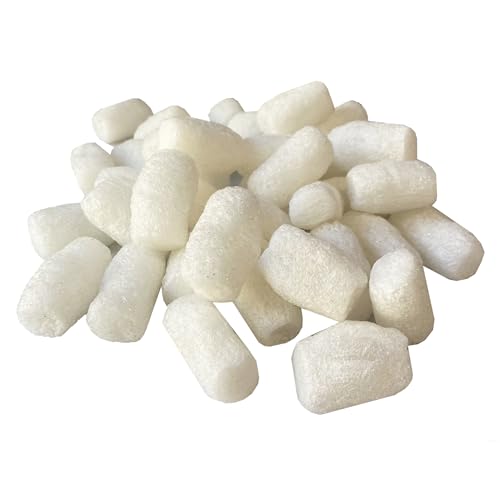
Packing peanuts are a common packing material in many homes and workplaces. While they protect fragile items, disposing of them can be tricky if the material is in small beads or in large quantities. This article provides practical, legal, and eco-friendly ways to manage packing peanuts in the United States, with simple steps you can follow today.
Readers will find a concise plan: quick disposal methods, reusable options, and when to call professionals. The guidance focuses on common household scenarios and aims to minimize waste while keeping safety in mind.
Quick Answer
Choose recycling options first when possible. If your community accepts polyethylene packing peanuts, bag them and drop them off at designated facilities or participating stores. For immediate cleanup, use a wide nozzle shop vac to collect peanuts or place them in a large storage tote for later processing. If you cannot recycle, consider storing them for future shipments or donating them to local businesses or movers that reuse packing material.
What You’ll Need
- Polyethylene packing peanuts recycling bags
- Shop vac with wide nozzle for foam packing peanuts
- Large storage tote for packing peanuts
- Heavy-duty trash bags or a sturdy bin
- Masking tape or a funnel for transfer
- Label or marker for separation (recyclable vs non-recyclable)


Before You Start
Prepare the area by removing nearby items that could be damaged by static or dust. Use a sheet or tarp to corral loose peanuts and prevent mess spread. Verify local rules for polyethylene recycling; some programs require intact bags or specific drop-off points. Time estimate: 15–60 minutes depending on quantity and method chosen. Important cautions include avoiding burning packing peanuts or exposing them to heat, which can cause odors or melting. Ensure pets and children are kept away during cleanup.
Step-By-Step: How To Get Rid Of Packing Peanuts
- Sort the peanuts by local availability: recycling centers, drop-off locations, or reuse options.
- Bag loose peanuts securely in polyethylene recycling bags or use a sturdy tote for storage.
- For immediate cleanup, run a shop vac with a wide nozzle to collect loose beads from floors, upholstery, and carpets.
- Contain the transfer by using a funnel or taped opening to guide peanuts into bags or totes without spillage.
- Seal bags or totes tightly and label them as recyclable or reusable material to avoid contamination.
- Check with local stores or mail centers that accept packing peanuts for reuse or donation possibilities.
- If recycling is unavailable, store peanuts in a large storage tote for future shipments or storage in a dry, cool area.
- Dispose of any non-recyclable peanuts in a sturdy trash container with a tight-fitting lid.
- Keep a small supply on hand for future shipments, reducing the need to buy new plastic foam packaging.
- Recycle or reuse pads and packaging components whenever possible to minimize waste.
- Document your process with notes to simplify future cleanup and recycling efforts.
- Review local guidelines each season as programs can change.
Troubleshooting
| Symptom | Likely Cause | Fix | Prevention |
|---|---|---|---|
| Packing peanuts cling to carpets | Static cling and improper containment | Use a damp cloth to reduce static and seal peanuts in bags immediately | Store and bag peanuts promptly after use |
| Peanuts spill when transferring | Open bag seam or loose lid | Use a funnel or taped opening; secure bag | Pre-measure and seal tightly |
| No recycling option available | Local program does not accept foam peanuts | Store for later shipments or donate to local businesses | Plan purchases with near-term reuse in mind |
| Poor vacuum pickup | Peanuts clogged narrower vacuums | Switch to shop vac with wide nozzle | Avoid fine powders by keeping peanuts dry |
Common Mistakes
- Trying to burn packing peanuts for disposal, which is unsafe and often illegal
- Ignoring local recycling guidelines and mixing peanuts with non-recyclables
- Not sealing bags, leading to new spills later
- Relying on a standard vacuum without a wide nozzle, causing clogs
Keep packaging material adaptable for future use to reduce waste and improve efficiency.
Tips For Best Results
- Request recyclable or biodegradable packing solutions from shippers when possible to simplify disposal.
- Keep a dedicated recycling bag on hand to make quick separation easier during unpacking.
- Use a wide nozzle with a shop vac to minimize disruption and maximize pickup efficiency.
- Coordinate with local stores or charities that accept packing peanuts for reuse to extend their life cycle.
Call A Professional
If you encounter persistent contamination, or if you must manage peanuts in a commercial setting with a large volume, consider consulting a professional junk removal or waste management service. Stop signs to contact a pro include repeated spills, damage to floors or upholstery, or a lack of access to proper recycling infrastructure. A pro can provide safe handling, appropriate containment, and compliant disposal options.
FAQ
Can packing peanuts be recycled curbside?
Most curbside programs do not accept loose packing peanuts; check local guidelines for approved drop-off sites.
Where can I recycle polyethylene packing peanuts?
Look for local packaging supply stores, UPS stores, or recycling centers that explicitly accept polyethylene foam peanuts.
Are there alternatives to packing peanuts that are easier to dispose of?
Biodegradable or cornstarch packing peanuts offer easier disposal in some regions, but verify local recycling rules first.
What should I do with used or broken peanuts?
Store them in a sealed bag for reuse or recycling, and avoid mixing with other materials that contaminate the recycling stream.
Buying Guide
When shopping for packaging materials or planning disposal, consider several buying factors to optimize future use and reduce waste:
- Size and quantity: Estimate typical shipment sizes to choose the right amount and reduce leftovers.
- Material type: Polyethylene is widely accepted for recycling; confirm local compatibility.
- Reuse options: Some facilities accept clean peanuts for reuse, making storage worthwhile.
- Storage solution: A large storage tote keeps peanuts organized and ready for future shipments.
- Disposal and recycling accessibility: Choose materials and suppliers that facilitate easy recycling or donation.
- Noise and mess considerations: If peanuts are used near living spaces, plan cleanup tools to minimize disruption.
In practice, a balanced approach combines prevention, reuse, and responsible disposal. Is your neighborhood equipped to handle your packing peanuts through recycling or donation programs? If not, storing and planning ahead can still reduce waste and effort over time.
Leave a Reply