How to Clean White Shoes With Toothpaste
White sneakers look crisp and fresh when well cared for, but everyday wear can leave them dingy or stained. This guide explains a practical, beginner-friendly method to refresh white shoes using a common household item: toothpaste. With the right tools and a careful technique, most scuffs and mild stains can be lifted without damaging the material.
Quick Answer
To clean white shoes with toothpaste, apply a small amount of whitening toothpaste to a soft-bristle brush or microfiber cloth, gently scrub the stained areas in circular motions, wipe away residue with a damp cloth, and air-dry away from direct heat or sunlight. For stubborn marks, repeat in small sections until the stain lightens.
What You’ll Need
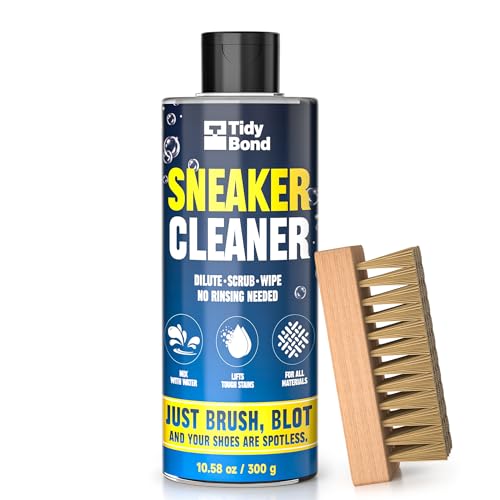
- sneaker cleaning kit soft bristle brush microfiber cloth whitening toothpaste
- soft bristle shoe cleaning brush set for white sneakers
- microfiber cleaning cloth for sneakers white shoe cleaning kit


Before You Start
Before cleaning, remove laces and insoles if possible to reach all surfaces. Lightly brush the outside to remove loose dirt. Test the toothpaste on a hidden area of the shoe to ensure it doesn’t damage the material. Use gentle pressure to avoid scuffing. Allow shoes to dry in a well-ventilated area away from direct sun or heat sources, which can cause yellowing or warping.
Safety note: toothpaste is an abrasive cleaning agent. Avoid harsh scrubbing on delicate surfaces or fabric that could wear away color. If your shoes have leather or suede components, consider a material-specific cleaner to prevent damage.
Estimated time: about 30 to 60 minutes from start to finish, including drying time.
Step-By-Step: How To Clean White Shoes With Toothpaste
- Remove laces and insoles to expose all surface areas. Place the shoes on a protected surface.
- Dry brush the shoes briefly to remove loose dirt and avoid grinding it into the material during scrubbing.
- Apply a small dab of whitening toothpaste to a soft-bristle brush or microfiber cloth. A little goes a long way to prevent excess residue.
- Gently scrub the stained areas using circular motions, focusing on scuffs and marks. Keep scrubbing until you see the stain lightening.
- Wipe away toothpaste with a damp cloth. Rinse the cloth frequently to avoid spreading dirty toothpaste back onto the shoe.
- Repeat as needed on tougher stains, taking care not to saturate porous fabrics or mesh. Avoid over-wetting the shoe.
- Pat dry with a clean, dry microfiber cloth and air-dry the shoes away from heat sources. Stuff with paper towels to help maintain shape if needed.
- Once dry, re-lace the shoes and inspect for any remaining stains. If necessary, perform a targeted follow-up cleaning on the stubborn spots.
- Optional protective step: apply a light, shoe-appropriate conditioner or fabric protector after completely drying to help repel future dirt.
- Store or wear as usual. Regular light cleaning can prevent buildup and keep white shoes looking fresh longer.
- For soles and rubber parts, a slightly damp cloth with a small amount of toothpaste can remove yellowing or grime with gentle scrubbing.
- Document any material changes or color shifting and adjust cleaning frequency to maintain uniform appearance over time.
Troubleshooting
| Symptom | Likely Cause | Fix | Prevention |
|---|---|---|---|
| Toothpaste residue remains after cleaning | Excess product or insufficient wiping | Wipe with a damp cloth until all residue is gone | Use a smaller amount of toothpaste and wipe promptly |
| Color transfer or yellowing | Harsh scrubbing or improper product choice | Switch to a milder cleaner or material-specific product | Test first on an inconspicuous area |
| Delicate material damage (fabric frays or leather cracking) | Over-scrubbing or abrasive toothpaste | Stop scrubbing that area and switch to gentle cleaning methods | Choose non-abrasive cleaners for delicate parts |
| Stubborn stains persist | Deep-set staining or very light fabric | Repeat in small sections with minimal pressure | Perform routine maintenance to reduce deep stains |
Common Mistakes
- Using too much toothpaste or applying it directly to fabric without testing first.
- Scrubbing too hard, which can damage coatings or fabric fibers.
- Cleaning porous materials with excessive moisture, leading to water stains or odors.
To minimize issues, always start with a small amount of toothpaste, test on a hidden area, and use light pressure with a soft brush or microfiber cloth.
Tips For Best Results
- Use a dedicated soft-bristle brush and a microfiber cloth for best control and gentle cleaning.
- Choose toothpaste labeled as whitening but avoid gels with high abrasives on delicate fabrics.
- Work in sections to prevent uneven whitening where stains are more prominent.
- Air-dry completely before wearing again to avoid transferring moisture or odors.
- Pair this method with a sneaker cleaning kit for a comprehensive refresh and easier maintenance.
Call A Professional
Consider a professional cleaner if shoes have rare materials, valuable branding, or extensive damage. Stop cleaning and seek expert help if you notice color fading, cracked materials, severe staining, or water damage that could worsen with DIY methods.
FAQ
Is toothpaste safe for all white shoe materials?
Toothpaste is generally safe for most canvas and rubber surfaces, but it may be too abrasive for leather or delicate fabrics. Always test on a hidden area first.
Can toothpaste remove yellowing on white sneakers?
It can help with surface yellowing and scuffs, but persistent yellowing may require specialized cleaners or deeper restoration techniques.
How often can I clean white shoes with toothpaste?
Use this method as needed for stains. For routine maintenance, a light cleaning every few weeks is usually sufficient.
Will toothpaste damage the sole or tread?
Gently scrubbing the rubber sole is generally safe, but avoid soaking the sole and monitor for discoloration or weakening of the tread.
Buying Guide
When choosing cleaning tools and accessories for white shoes, consider size and material compatibility, effectiveness, and ease of use. A combined approach using a sneaker cleaning kit with a soft bristle brush and microfiber cloth provides versatility for different shoe types. The whitening toothpaste should be mild and non-gel to reduce abrasiveness. Look for products labeled safe for sneakers and consistent with the materials you own, such as canvas, rubber, or fabric blends.
Key buying factors include:
- Size and shape of the brush to reach toe boxes and midsole crevices
- Soft bristle density for gentle but effective cleaning
- Quality microfiber cloths for lint-free wiping
- Toothpaste that offers whitening without aggressive abrasives
- Compatibility with your shoe materials and any care labels
- Storage and portability for on-the-go cleaning
For shoppers, a multi-item kit often provides the best value and coverage. Consider how often you clean shoes, the types of stains you encounter, and whether you prefer compact kits for travel or full-size kits for home use. If unsure, start with a basic soft-bristle brush and microfiber cloth pairing and add toothpaste or a dedicated cleaner as needed.
Leave a Reply