How to Get Rid of Olive Oil Spills Effectively
Olive oil spills are common in home kitchens and can leave sticky, slippery messes if not handled promptly. This guide covers practical, fast-acting steps to clean up olive oil safely, protect surfaces, and prevent slip hazards. By following a structured approach, you can minimize residue and odors while keeping the kitchen tidy.
Quick Answer
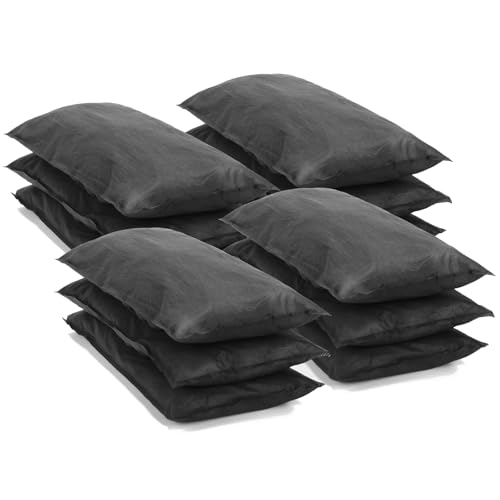
Act quickly to contain the spill, blot the oil, and use the right absorbent products. Start with paper towels, then employ dedicated oil-cleanup tools such as a kitchen oil spill cleanup kit absorbent pads, grease absorbent sorbent pillows olive oil spill, and a reusable microfiber mop for kitchen oil spills to finish the job.
What You’ll Need
Smooth cleanup is easier with the right tools. The following items are recommended for most olive oil spills:
- Paper towels or cloth rags for blotting
- Grease absorbent sorbent pillows olive oil spill
- Kitchen oil spill cleanup kit absorbent pads
- Reusable microfiber mop for kitchen oil spills
<li Mild detergent or dish soap for final wash
<li Warm water for rinsing


Before You Start
Prepare the area by removing food prep items and turning off any nearby heat sources. Place a towel or mat to prevent tracking oil onto floors. Warning: oil left unaddressed can create a slip hazard and damage some surfaces over time. If the spill is large or on a porous surface, consider sealing or sealing and cleaning with appropriate cleaners to avoid staining.
Time estimate: 10–20 minutes for a small to moderate spill; larger spills may require additional steps or repeated cleaning. Safety note: wear disposable gloves if you are handling hot oil or cleaning large areas to protect skin.
Step-By-Step: How To Clean Olive Oil Spills
- Contain the spill by surrounding it with paper towels or a dry absorbent pad to prevent spreading.
- Blot, don’t rub; press absorbent pads into the oil to lift as much liquid as possible.
- Apply grease absorbent sorbent pillows olive oil spill to the remaining film and work from the outside in to prevent spreading.
- Place a layer of kitchen oil spill cleanup kit absorbent pads over the area to soak up residual oil.
- Wipe with a damp cloth and a small amount of mild detergent or dish soap to break down oily residue.
- Rinse the area with warm water, repeating if necessary, until the surface feels clear and free of stickiness.
- For hard floors, finish with a dry microfiber mop to pick up any remaining moisture and to restore traction.
- Inspect the surface for metered cleanliness; repeat steps if a shiny film remains or if odor lingers.
- Dispose of used paper towels and pads in a sealable bag to prevent odor and keep pests away.
- Wash reusable tools, especially the microfiber mop, with hot water and soap after use.
- Keep a small cleanup kit handy near the stove to simplify future spills.
Troubleshooting
| Symptom | Likely Cause | Fix | Prevention |
|---|---|---|---|
| Oil leaves a greasy film after cleaning | Insufficient cleaning agents | Reapply detergent and rinse thoroughly | Clean as soon as spill occurs |
| Oil smell persists | Oil penetrated porous surface | Use degreasing cleaner following oil removal | Dry surface completely to prevent odor formation |
| Streaks on counters or floors | Residue from improper wiping | Wipe in a single direction with a clean cloth | Use microfiber mop for drying |
| Staining on light-colored grout | Oil seeped into porous material | Spot-clean with degreaser and reseal grout if needed | Address spills promptly on porous surfaces |
Common Mistakes
- Rubbing instead of blotting, which spreads oil further
- Using hot water alone, which can set oil into surfaces
- Forgetting to ventilate, which can trap odors
- Skipping a final wipe or rinse, leaving a slick feel
By avoiding these missteps, cleanup is faster and surfaces stay in better condition.
Tips For Best Results
- Always start with absorbent materials closest to the spill, then move outward.
- Keep a dedicated reusable microfiber mop for kitchen oil spills near the cleaning area for quick drying.
- Use a gentle, grease-fighting detergent to avoid damaging the surface’s finish.
- Test cleaners on a small inconspicuous area first if you’re cleaning delicate countertops.
- Consider a protective mat in the cooking area to catch future spills.
Call A Professional
Seek professional help if the spill involves large quantities, extends to porous stone or hardwood, or if staining and odor persist after multiple cleanings. Stop signs include persistent slipperiness, strong odors, or visible staining after repeated attempts. For complex surfaces such as natural stone, consult a professional to avoid damage.
FAQ
Can olive oil spills be removed from porous stone?
Porous stone surfaces may require specialized cleaners and sealing; start with a degreasing cleaner and consult a pro if staining continues.
Is it necessary to use absorbent pillows?
Absorbent pillows provide targeted capacity and can speed cleanup on larger spills, though multiple products may be used in combination.
What’s the best way to prevent oil slicks on floors?
Wipe as you cook and place mats or aluminum foil under hot pans to catch drips; promptly clean any spill with absorbent materials.
Are microfiber mops safe for all floor types?
Most microfiber mops are safe for sealed surfaces; check manufacturer guidance for hardwood or stone floors.
Buying Guide
When choosing tools for olive oil cleanup, consider size, material compatibility, and frequency of use. A compact kit works well for everyday spills, while bulk absorbent pads are helpful for larger incidents. Look for a reusable microfiber mop with high absorption that dries surfaces quickly, and ensure pads are washable for cost efficiency. Noise level is usually not a concern for mops, but choosing a low-resistance option can make routine cleaning quicker. Energy efficiency isn’t a major factor here, but choosing durable, reusable items reduces waste. For placement, store a spill kit under the sink or in a pantry where you can access it quickly. If you regularly handle oil, a dedicated cleanup system with absorbent pads and pillows plus a microfiber mop offers a balanced mix of speed, effectiveness, and reusability.
Leave a Reply