How to Clean Clumping Cat Litter
Maintaining a clean litter area is essential for both odor control and your cat’s comfort. This guide walks through practical steps to clean clumping cat litter effectively, using common tools and smart habits to keep your litter box fresh and low-maintenance.
Quick Answer
Use a sturdy stainless steel cat litter scoop to sift clumps daily, replace the litter weekly or as needed, and keep the litter box in a low-odor area with good ventilation. For busy households, consider an automatic self-cleaning cat litter box to reduce daily maintenance, and place a cat litter mat to catch stray litter before it reaches the floor.
What You’ll Need
- Stainless steel cat litter scoop
- Automatic self-cleaning cat litter box
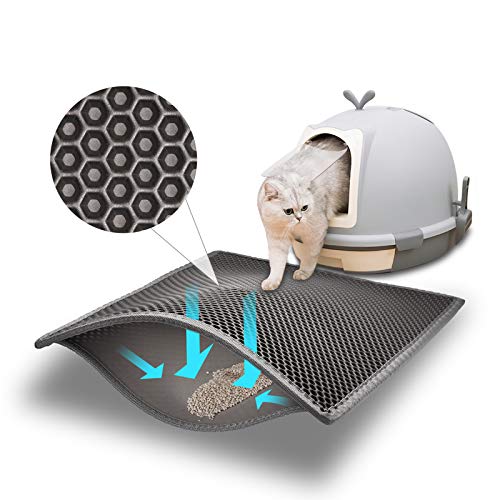
- Cat litter mat
- Clumping cat litter
- Trash bags
- Disinfectant spray or wipes
- Gloves (optional)


Before You Start
Choose a well-ventilated location for the litter box to minimize odor. Clear the area of pets or children during cleaning, and wear gloves if you prefer. Plan for regular maintenance windows; a typical schedule is daily scooping plus a full litter change every week or two, depending on usage. Never mix different litter types in the same box, as clumping properties vary and can create awkward, partially caked litter.
Step-By-Step: How To Clean Clumping Cat Litter
- Put on gloves if you use them and prepare a fresh bag of litter and a trash bag.
- Remove solid waste with the stainless steel cat litter scoop, giving the box a light shake to help clumps loosen.
- Lift the litter with the scoop, letting clumps break apart over the box if needed; discard into the trash bag.
- Run the scoop through remaining litter to collect smaller clumps and any tracked litter from the mat area.
- Refill the box with fresh clumping litter to restore the recommended depth, typically a couple of inches, ensuring the litter is not too deep or too shallow.
- Wipe down the box edges with a mild disinfectant; allow to air-dry before adding new litter if your box isn’t self-cleaning.
- Optionally, use the automatic self-cleaning cat litter box for ongoing maintenance; follow the manufacturer’s cleaning schedule and empty the waste drawer as needed.
- Vacuum or sweep the surrounding area, including the cat litter mat, to remove stray granules that escaped the box.
- Monitor litter clumping quality; if clumps crumble easily, consider changing brands or adjusting litter depth to improve clumping efficiency.
- Establish a routine: daily scooping, weekly full changes, and monthly deeper cleanings of the litter box itself.
- Keep a spare litter mat nearby to reduce tracking and maintain a tidy space around the box.
Troubleshooting
| Symptom | Likely Cause | Fix | Prevention |
|---|---|---|---|
| Clumps break apart easily | Using low-quality litter or insufficient depth | Increase depth and choose a high-quality clumping litter | Test a different brand before committing |
| Strong odor despite cleaning | Infrequent changes or poor ventilation | Increase change frequency or add a vented area | Aadjust location or add a deodorizing mat |
| Litter tracking is worse near the mat | Mat too small or placed awkwardly | Move mat to high-traffic exit and/or upgrade size | Clean mat daily and shake out loose granules |
| Automatic box won’t cycle | Full waste drawer or sensor issue | Empty drawer and consult manual for sensor reset | Schedule routine maintenance per manufacturer |
Common Mistakes
- Using scented litter that can irritate a cat’s nose or paws
- Ignoring the litter box area’s ventilation and cleaning schedule
- Letting litter get crusty at the bottom of the box by delaying full changes
- Forgetting to clean the cat litter mat regularly, allowing hidden litter to accumulate
Sticking to a consistent routine helps maintain odor control and makes daily scooping quicker and more predictable.
Tips For Best Results
- Keep the box away from feeding areas to reduce contamination and odors.
- Check clumping performance with small test batches before fully switching brands.
- Use a large capacity trash bag for easy disposal and to minimize spills.
- Regularly wash the litter box base with mild soap and water, and fully dry before refilling.
- Position the cat litter mat where cats naturally step, to capture stray litter before it spreads.
Call A Professional
Seek professional help if you notice persistent odors that refuse to dissipate after cleaning, recurring leaking waste from the box, or if a cat shows signs of distress around the litter area. A vet or pet care professional can advise on litter selection and placement tailored to your home and cat’s needs.
FAQ
How often should I change clumping litter?
Most households benefit from a weekly full change, with daily scooping to remove fresh waste and clumps.
Can I mix litter brands?
Avoid mixing brands; clumping properties differ and can create poorly formed clumps.
Is an automatic self-cleaning litter box worth it?
For busy households, it can reduce daily maintenance, but read reviews and ensure the device suits your cat’s size and habits.
What’s the best way to reduce litter tracking?
Use a large litter mat, place the box away from doorways, and vacuum or sweep the surrounding area daily.
Buying Guide
When selecting products to support cleaning clumping cat litter, consider size, noise level, energy efficiency, controls, and placement. A stainless steel cat litter scoop provides durable, hygienic scooping. An automatic self-cleaning cat litter box can save time, especially in multi-cat households, but may require more space and maintenance. A cat litter mat helps trap litter and keep floors cleaner. Think about where the box will live in your home, how much noise is acceptable, and whether you prefer manual routines or automated solutions. Look for easy-to-clean compounds and materials that resist odor buildup, along with clearly labeled replacement parts and accessibility for routine maintenance. If you share space with kids or other pets, prioritize safety features and straightforward cleaning procedures. Compare models based on litter compatibility, ease of cleaning, and the availability of replacement bags or waste drawers to ensure long-term convenience.
Leave a Reply