How to Get Rid of New Pillow Smell
New pillows often carry factory scents from foam, fabric, or packaging. A fresh, odor-free pillow can improve sleep quality and comfort. This guide walks through practical, consumer-safe methods to reduce or neutralize that first-use smell using common household tools and select odor-control products.
The steps emphasize safe air-out techniques plus targeted odor control options to keep pillows fresh without compromising pillow integrity or warranties.
Quick Answer
Start by airing the pillow in a well-ventilated area for 24–48 hours. If odors persist, use a light, fabric-safe odor eliminator spray, or place an activated charcoal odor absorber bag for pillows nearby. For ongoing freshness, supplement with baking soda pillow deodorizer sachets inside pillow covers or the pillowcase between uses.
What You’ll Need
- Pillow odor eliminator spray
- Activated charcoal odor absorber bag for pillows
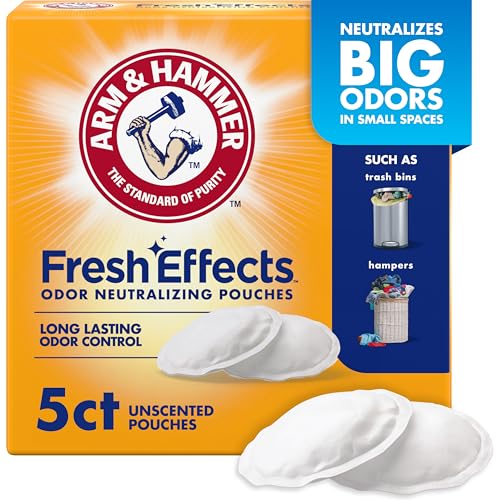
- Baking soda pillow deodorizer sachets
- Clean pillowcase or breathable pillow cover
- Ventilated area or fan for air flow


Before You Start
Clear a space where a pillow can be aired without risk of dust or debris settling on it. If allergies or sensitivities exist, choose fragrance-free or low-odor formulations. Check pillow care labels—some inserts require spot cleaning only. A typical air-out window is 24–48 hours, but larger or tougher odors may take longer. Use caution with liquids on down or feather pillows, avoiding oversaturation. If needed, contact customer support for pillow-specific guidance before applying sprays or fillers.
Step-By-Step: How To Get Rid Of New Pillow Smell
- Unpack and inspect the pillow for any damage or loose seams before starting.
- Set the pillow in a well-ventilated area, ideally near a window or with a fan circulating air.
- Allow the pillow to air out for 24 hours, checking for a noticeable reduction in odor by smell at several intervals.
- If odor remains, lightly mist the pillow surface with a pillow odor eliminator spray, keeping the nozzle at a safe distance to avoid soaking the fabric.
- Let the spray dry completely, then recheck scent. Do not apply excessive liquid; most products require only a light mist.
- Place an activated charcoal odor absorber bag for pillows near the pillow or inside a breathable pillowcase to trap remaining smells without direct contact.
- Optionally, add baking soda pillow deodorizer sachets inside a pillowcase or under the pillow cover for ongoing freshness between washings.
- Before reusing, ensure the pillow is fully dry and free from any damp or sticky residues that could attract dust.
- Repeat as needed but alternate methods to prevent overuse of any single product. If odors persist beyond a week, re-evaluate pillow materials or consider replacement.
- Wash or replace pillow covers regularly, and maintain a routine of airing pillows during seasonal wardrobe changes to sustain freshness.
- Store pillows in a cool, dry area away from strong-smelling cleaners to minimize new odors reoccurring.
Troubleshooting
| Symptom | Likely Cause | Fix | Prevention |
|---|---|---|---|
| Light fragrance remains after airing | Residual volatile compounds | Reapply a light mist of pillow odor eliminator spray and allow to dry | Avoid heavy sprays; ventilate longer |
| Discoloration after spraying | Spray drift onto fabric | Test spray on a hidden area first; spray from farther away | Use spray sparingly and evenly |
| Moldy smell when humidity is high | Moisture retention | Air out in a dry space; use a fan; check for moisture pockets in pillow | Keep pillows dry; store in breathable covers |
| Odor returns after a few days | New pillow materials releasing over time | Combine ongoing use of baking soda pillow deodorizer sachets with ventilation | Rotate products to avoid buildup |
| Allergic reaction or throat irritation | Fragrance or spray residue | Switch to fragrance-free products or discontinue use | Prioritize options labeled hypoallergenic |
Common Mistakes
- Over-spraying liquids onto pillow fabric, which can seep inside and affect fill materials.
- Relying on a single method for a strongly scented pillow; combining approaches yields faster results.
- Ignoring the pillow’s care instructions, risking warranty voids or fabric damage.
- Forgetting to dry the pillow completely after any moisture exposure, which can promote mildew.
Tips For Best Results
- Use the air-out method first; most new pillow smells lessen significantly with time and airflow.
- Place odor-control tools at measured distances to avoid direct spray contact with the filling.
- Pair odor control with routine pillow care: wash pillow covers monthly and replace pillows every 1–2 years as needed.
- Label and store odor-control products away from children and pets, following label directions.
Call A Professional
Seek professional guidance if the pillow shows persistent moisture, mold growth, or if odors persist after multiple airing sessions and controlled deodorizing. Do not attempt aggressive cleaning that could compromise the pillow’s structure, especially for memory foam or specialty fills.
FAQ
Can I use essential oils to remove pillow odor?
Avoid direct essential oil applications on pillows, as oils can stain fabrics or interact with fillings. If used, dilute heavily and only as a very light scent near the outer surface.
How often should I use baking soda sachets?
Place sachets in pillow covers between wash cycles for ongoing freshness, and replace every 1–3 months or when odors reappear.
Is it safe to spray a new pillow before first use?
Yes, but do a patch test on a small area and use a light mist. Allow thorough drying before regular use.
What if my pillow is fabric-covered but filled with memory foam?
Air it out in a ventilated space and avoid soaking. Use a light spray designed for memory foam or opt for charcoal bags near the pillow rather than direct application.
Buying Guide
When selecting odor-control options for pillows, consider size, scent neutrality, and safety for pillow materials. Key buying factors include:
- Size and compatibility: Ensure the pillow odor eliminator spray’s spray pattern is suitable for home use and safe on pillow fabrics. For memory foam or latex fills, choose products labeled safe for sensitive materials.
- Noise and scent levels: Choose fragrance-free or low-fragrance formulas if sensitivity exists. Quiet, discreet packaging helps with daily routines.
- Energy efficiency and maintenance: Physical odor absorbers like activated charcoal bags require no power and can be reused. Baking soda sachets are inexpensive and replaceable.
- Controls and usage: Look for easy-to-use spray bottles and clearly labeled safety warnings. Visual indicators help monitor replacement timelines for sachets and bags.
- Placement: Position odor-control items near the pillow but not directly on the fabric to prevent over-saturation. Use breathable pillow covers to maximize airflow.
Thinking about a mix of methods? A simple air-out, plus a light use of a pillow odor eliminator spray, near an activated charcoal odor absorber bag for pillows, and periodic use of baking soda pillow deodorizer sachets can provide steady freshness. If the pillow is new or has persistent odors, consider repeating or combining approaches over several days and maintaining regular pillow care. Would you like help choosing between specific product options based on your pillow type (memory foam, latex, down, or synthetic)?
Leave a Reply