How to Get Rid of Mold in a Dishwasher
Mold in a dishwasher is a common issue that can affect both cleanliness and odor. This guide walks through proven steps to remove existing mold and prevent it from returning, using common tools and safe practices. Clear routines and proper maintenance can keep dishes sparkling and the appliance hygienic.
By following a structured approach, homeowners can tackle mold effectively without needing costly repairs. The methods below emphasize safety, efficiency, and minimizing moisture buildup that encourages mold growth.
Quick Answer
To quickly address mold in a dishwasher: run a hot empty cycle with a strong cleaner, clean the door gasket and tub, dry all surfaces, and establish a weekly maintenance routine to prevent recurrence.
What You’ll Need
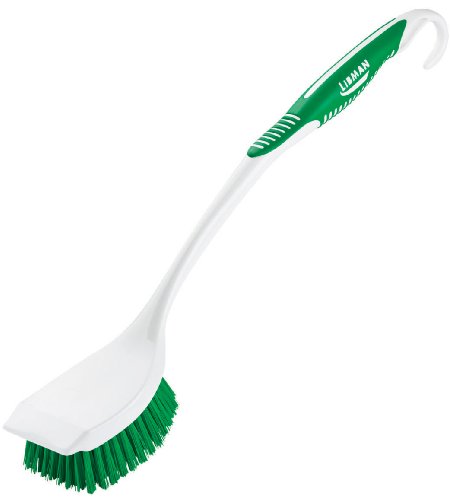
- Dishwasher tub scrub brush long handle
- Dishwasher gasket scraper tool
- Handheld steam cleaner for mold
- White vinegar or dishwasher-safe cleaning spray
- Baking soda
- Microfiber cloths
- Rubber gloves


Before You Start
Safety first: unplug the dishwasher or switch off the circuit breaker before cleaning. Ensure the area is dry to avoid slips. Open doors carefully to vent steam during cleaning. This process typically requires 30–60 minutes plus a maintenance interval. Do not mix bleach with ammonia or vinegar, as fumes can be harmful. If the dishwasher is heavily moldy or has a persistent odor after cleaning, consider professional inspection.
Step-By-Step: How To Remove Mold From A Dishwasher
- Run a hot cycle with a cleaning agent: empty the dishwasher and add a cup of white vinegar on the top rack or use a dishwasher-safe cleaner. Run a hot cycle to loosen mold and mineral buildup.
- Wipe and sanitize seals and gaskets: open the door and use a damp cloth to wipe around the door gasket. Use a dishwasher gasket scraper tool to remove any stubborn mold near the seal.
- Scrub the tub interior: mix baking soda with water to form a paste and apply with a dishwasher tub scrub brush long handle. Scrub corners, seams, and spray arms where mold tends to hide.
- Rinse and re-run: after scrubbing, run another hot cycle with plain water to rinse away loosened residue. If needed, follow with a second cycle using vinegar to ensure deodorization.
- Target hard-to-reach spots with steam: use a handheld steam cleaner for mold to treat tight spaces like spray arms, corners, and the interior tub walls. The high heat helps kill remaining spores.
- Dry thoroughly: after cycles finish, keep the door open for a while to air-dry the interior. Wipe all visible moisture with microfiber towels to reduce dampness that promotes mold.
- Address drainage and filters: remove and rinse the filter if accessible. Check the drain for blockages and clear any debris that could trap moisture.
- Schedule ongoing maintenance: repeat the cleaning routine monthly or after heavy use or if you notice odors returning.
- Prevent future mold growth: run hot cycles with a minimal amount of cleaner, keep the door slightly ajar after cycles, and ensure the kitchen area stays dry.
- Inspect water supply lines: occasionally inspect hoses for leaks or moisture accumulation behind the unit, especially in humid climates.
- Document the routine: maintain a simple log of cleaning days and any troublesome spots to spot trends and improve the regimen over time.
Troubleshooting
| Symptom | Likely Cause | Fix | Prevention |
|---|---|---|---|
| Persistent musty odor after cleaning | Remaining mold spores or trapped moisture | Run an extra hot cycle with white vinegar; clean seals and filter | Regular maintenance; keep door slightly ajar after cycles |
| Visible mold on tub walls | Residual buildup in corners | Scrub with baking soda paste and seal scrapers; rinse thoroughly | Dry after each use |
| Gasket shows black spots | Moisture and biofilm | Scrape and wipe; treat with vinegar solution; replace gasket if damaged | Keep seal dry between cycles |
| Water not draining properly | Blocked filter or hose | Remove and rinse filter; clear hose blockages | Inspect drain system monthly |
Common Mistakes
- Using bleach too aggressively or combining cleaners improperly
- Rushing the drying phase, leaving moisture inside
- Neglecting the gasket and spray arms where mold hides
- Ignoring subtle odors that indicate hidden mold growth
Tips For Best Results
- Choose a cleaning routine that fits your dishwasher model and water hardness; adjust cycles for mineral buildup as needed
- Use a steam cleaner for stubborn mold in tight areas to maximize sanitation without harsh scrubbing
- Keep interior dry after cycles by cracking the door or using a dry towel on a cool cycle finish
- Consider a monthly maintenance plan combining vinegar or baking soda with a hot wash to maintain freshness
Call A Professional
Seek professional help if mold recurs after repeated cleaning, if you notice leakage, persistent odors, or signs of inner component damage. Stop using the dishwasher until a technician assesses potential mold infiltration into electrical components or cabinetry.
FAQ
Is it safe to use vinegar to clean the dishwasher?
Yes, vinegar is effective for deodorizing and loosening buildup, but do not mix vinegar with bleach or ammonia.
How often should I clean my dishwasher to prevent mold?
Regular maintenance every 1–3 months, plus immediate cleaning after heavy use or high humidity periods, helps prevent mold.
Can I replace the gasket myself if mold returns?
Yes, many dishwashers have replaceable gaskets; ensure you obtain the correct model fit and follow manufacturer instructions.
What if the mold is behind the dishwasher panel?
In that case, professional service is advised to inspect inner cavities and plumbing connections for leaks or moisture intrusion.
Buying Guide
When selecting tools and products to combat mold in a dishwasher, consider factors like reach, effectiveness, and compatibility with your appliance. The right tools help you clean thoroughly without damaging seals or interior surfaces.
What To Look For In Cleaning Tools
- Size and reach: a long-handled dishwasher tub scrub brush long handle can access corners without bending
- Gasket accessibility: a dishwasher gasket scraper tool makes removing mold from seals easier
- Sanitizing power: a handheld steam cleaner for mold offers high-temperature cleaning for stubborn spots
Size, Noise, And Placement Considerations
Consider the size of your dishwasher and available workspace. Tools should be easy to store in the kitchen or a utility closet. For steam cleaners, choose models that are compact yet powerful and ensure safe use around electrical outlets. Noise levels matter if the kitchen area is open-plan; select quieter devices with efficient suction and minimal operation noise.
Energy Efficiency And Controls
Cleaning routines benefit from water- and energy-efficient methods. Use hot cycles with minimal additives when appropriate to minimize energy use. Look for dishwashers with simple maintenance indicators that guide cleaning frequency and cycles for mold prevention.
Placement And Accessibility
Keep cleaning supplies within arm’s reach but away from food storage areas. Use tools with ergonomic handles to reduce strain during scrubbing. Proper storage helps ensure that maintenance remains a regular habit rather than an afterthought.
Leave a Reply