How to Remove Nail Glue From Fake Nails
Removing nail glue from fake nails can be tricky, especially when aiming to protect both the natural nail and the artificial manicure. The following practical guide covers safe methods, recommended products, and step-by-step instructions to minimize damage while achieving clean results.
Quick Answer
Use an acetone-based remover to dissolve the glue, then gently lift or push the artificial tips away. For sensitive skin or colored enhancements, alternate with a non-acetone remover and a careful soak to reduce drying. Always work in a well-ventilated area and avoid forcing nails apart to prevent damage.
What You’ll Need
Gather these tools and products before starting. The list prioritizes options from the provided product keywords to ensure accessibility and ease of use.
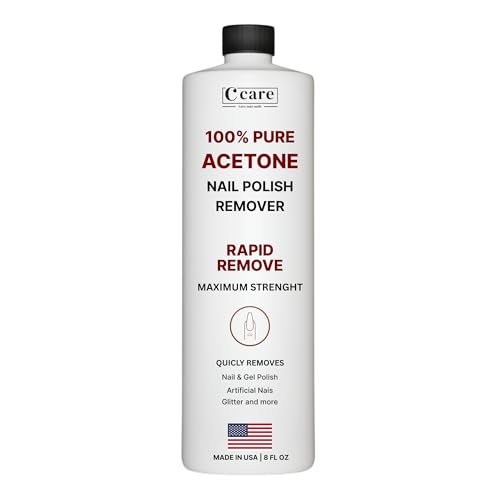
- 100% acetone nail glue remover 2 oz
- Nail glue remover kit with cotton pads and foil wraps
- Acetone-based nail adhesive remover pen


Before You Start
Preparation helps prevent nail damage and skin irritation. Choose a well-ventilated area and protect your workspace with a towel. If you have sensitive skin or a history of allergic reactions to acetone, consider a gentler option or a trial patch on a small skin area first. Plan for a time window of 20–40 minutes, depending on glue hardness and the method chosen. Avoid peeling or prying the glue aggressively, which can lift the natural nail plate and extend recovery time.
Step-By-Step: How To Remove Nail Glue From Fake Nails
- Loosen the edges: Use a soft cuticle pusher or an orangewood stick to gently lift a small edge of the fake nail away from the natural nail, creating a tiny gap without applying force to the glue itself.
- Soak or apply remover: If using acetone, apply a small amount around the glued seam using a cotton pad. For a kit with foil wraps, wrap each finger in a soaked cotton pad and secure with foil to create a gentle acetone bath for 10–15 minutes.
- Re-check and repeat: Remove wraps and test if the glue starts to soften. If not, reapply remover and rewrap for an additional 5–10 minutes. Do not over-soak to protect natural nails.
- Gently remove glue: Once softened, use a cotton swab or wooden stick to lift the glue in small sections. Work from the edge toward the center with a light tapping motion to avoid tearing.
- Clean the surface: Wipe away residues with a fresh cotton pad dampened with remover. If any adhesive remains, use the acetone-based nail adhesive remover pen to target stubborn spots without excess liquid.
- Treat the natural nail: After glue removal, rinse with lukewarm water and apply a nourishing nail oil or cuticle cream to restore moisture. Allow nails to air-dry completely before applying any new enhancement.
- Assess the base layer: Check for any lifting or thinning of the natural nail. If the surface looks damaged, postpone further nail work and give nails time to recover before reapplying glue or tips.
- Optional gentle buff: If residual roughness remains, lightly buff the surface with a fine nail buffer to create a smooth base for future applications.
- Reapply or transition: When ready, you can reattach new artificial tips or switch to a non-acetone removal method for future designs to minimize drying impacts.
- Cleanup: Clean tools with isopropyl alcohol and store products in a cool, dry place away from direct sunlight to maintain effectiveness.
- Final check: Ensure there is no lingering residue on skin or nails. If tingling or redness occurs, rinse with water and seek advice if irritation persists.
Troubleshooting
| Symptom | Likely Cause | Fix | Prevention |
|---|---|---|---|
| Glue not softening after 15 minutes | Insufficient acetone contact | Rewrap and reapply remover for another 5–10 minutes | Use fully saturated pads and ensure complete coverage |
| Nail plate feels rough or thin after removal | Overzealous scraping or over-soaking | Stop scraping, buff lightly, and apply nail oil | Avoid aggressive lifting; work in small sections |
| Skin irritation or redness | Acetone exposure | Rinse skin, apply soothing cream, and discontinue use if irritation continues | Limit contact; wear protective cuticle guards when possible |
| Adhesive residue remains on tips | Glue removal incomplete | Use remover pen to target spots and polish away | Apply thin, even coats and wait for softening |
Common Mistakes To Avoid
- Aggressively prying nails apart, which can crack the natural nail
- Using too much acetone, leading to excessive drying and brittleness
- Skipping a patch test if you have sensitive skin or allergies
- Rushing the process, causing incomplete glue removal and damage
Tip: Patience matters. Allow time for the remover to penetrate and soften the glue rather than forcing removal quickly.
Tips For Best Results
- Choose acetone carefully: 100% acetone works fast but is harsher; consider gentler formulations for sensitive skin.
- Use the kit with cotton pads and foil wraps for controlled, even removal and less skin contact.
- Work in a well-lit area and keep a small bowl of warm water nearby to rinse hands as needed.
- Keep nails hydrated after removal to minimize dryness and help maintain natural nail health.
- Store acetone products away from heat sources to maintain effectiveness and safety.
Call A Professional
If there is persistent pain, blistering, significant nail damage, or an allergic reaction to acetone, seek professional help from a dermatologist or licensed nail technician. Signs that require urgent attention include visible nail bed injury, severe redness, or swelling that does not subside after a few hours.
FAQ
Can I remove nail glue without acetone?
Non-acetone removers are available, but they work more slowly and may not fully dissolve strong nail glues. A gentler approach can be used for sensitive skin, but expect longer removal times.
Is it safe to reuse fake nails after glue removal?
Yes, if the fake nails are not damaged and the glue has been completely removed. Clean, dry, and inspect surfaces before reusing or applying new enhancements.
Will acetone damage natural nails?
Prolonged or frequent exposure can dry and weaken nails. Use in moderation, moisturize after removal, and allow time between applications for nail recovery.
How can I avoid glue residue after removal?
Soak sufficiently, gently lift edges, and use a remover pen on stubborn spots to minimize residue on surfaces.
Should I moisturize immediately after removal?
Yes. Apply cuticle oil or nail moisturizer to restore hydration and support healthy nail growth.
Can I remove glue from colored or gel nails the same way?
Colored or gel nails may require different solvents or methods. Follow product-specific guidance and consider professional help for delicate finishes.
Buying Guide
When selecting products to remove nail glue from fake nails, consider size, strength, and convenience. For frequent removal, a compact acetone remover pen can be handy for targeted areas. A full nail glue remover kit with cotton pads and foil wraps offers controlled, room-temperature removal with minimal skin contact. For quick spot attention, a dedicated acetone-based remover pen can target stubborn residues with precision. Evaluate how often you remove glue, your sensitivity to acetone, and whether you prefer a kit-style approach or simple bottles. Consider storage and ventilation needs, and ensure products are clearly labeled for safety. If you plan to use these tools regularly, having both a kit and a pen can cover routine and spot-removal scenarios. Would you benefit from a combination set that balances speed and control for diverse nail designs?
Leave a Reply