How to Clean Silver Plated Items Safely and Effectively
Silver-plated items add elegance to tableware, jewelry, and decorative pieces, but tarnish can dull their shine. With the right approach and easy-to-find products, homeowners can restore luster without damaging the delicate plating.
This guide outlines practical steps, safety tips, and product suggestions to help American households maintain silver-plated treasures with confidence and clarity.
Quick Answer
Gently remove tarnish using a silver plate cleaner liquid solution or a silver plate tarnish remover kit, followed by polishing with a silver polishing cloth for best results. Avoid abrasive scrubbing that could wear through the plating. For light tarnish, a quick wipe and buff may suffice; for deeper discoloration, repeat the process with care.
What You’ll Need
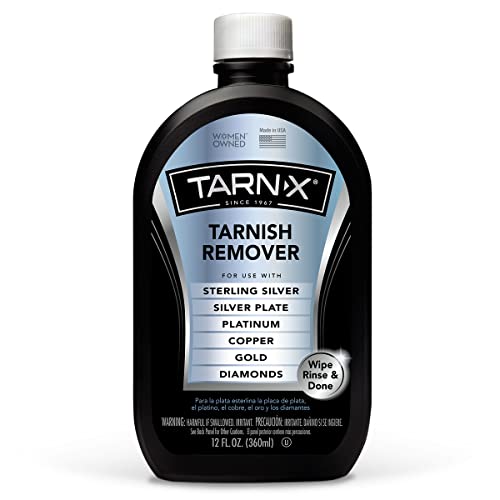
- Silver plate tarnish remover kit
- Silver plate cleaner liquid solution
- Silver polishing cloth for silverware


Before You Start
Prepare a soft workspace and gather the items above. Use a mild, non-abrasive approach to protect the plating. Test a small, inconspicuous area first to ensure compatibility. If items are heavily tarnished, plan for extra time and gentle passes rather than a single aggressive cleaning attempt.
Avoid soaking silver-plated pieces in harsh cleaners for extended periods, and never use steel wool or rough scouring pads, which can scratch and wear the finish. If handles or delicate engravings are present, handle with care to prevent loosening or chipping.
Step-By-Step: How To Clean Silver Plated Items
- Lay the item on a soft, lint-free cloth to prevent scratching during the cleaning process.
- Inspect for any loose components or loose plating; address these areas gently before cleaning.
- Apply a small amount of silver plate cleaner liquid solution to a clean, soft cloth or sponge.
- Gently rub the tarnished areas in a circular motion, focusing on discolored spots without applying excessive pressure.
- Rinse briefly with clean water to remove cleaner residues, then pat dry with a fresh cloth.
- If tarnish remains, repeat steps 3–5 with light pressure, avoiding over-polishing in one session.
- Buff the item with a dry silver polishing cloth for silverware until a bright, reflective finish appears.
- Store cleaned items in a dry, low-humidity area or with anti-tarnish paper to slow future tarnish buildup.
Troubleshooting
| Symptom | Likely Cause | Fix | Prevention |
|---|---|---|---|
| Persistent black tarnish | Deep tarnish or oxidization | Repeat cleaning with gentle strokes; consider professional assessment for antique pieces | Regular light cleaning; avoid exposure to sulfur-containing materials |
| Streaks after cleaning | Residue from cleaner | Rinse thoroughly and buff with a dry cloth | Use minimal cleaner and a well-wrung cloth |
| Scratches visible | Abrasion or rough cleaning | Switch to softer cloths and lighter pressure | Never use steel wool or abrasive pads |
| Uneven shine | Uneven cleaning or residue | Alternate polishing direction and ensure complete drying | Maintain consistent technique across surfaces |
Common Mistakes
- Using abrasive cleaners or rough brushes on silver plating
- Over-soaking items, which can loosen plating or loosen connections
- Ignoring test patches on complex or antique pieces
- Skipping thorough drying, which encourages new tarnish formation
Tips For Best Results
For best outcomes, work in a well-lit area and use thin, even coats of cleaner. Always wipe in the direction of any engraving or decorative lines to preserve detail. When in doubt about value or era, consult a professional before aggressive cleaning. Consider storing silver-plated items in tarnish-preventive packaging if they won’t be used for extended periods.
Call A Professional
Seek professional help if the item shows:
- Structural damage, loose joints, or flaking plating
- Antique or heirloom pieces with unclear value or finish
- Uncertain compatibility with cleaners due to metal alloys
Professional platinum or silver restoration services can assess and treat delicate finishes, preventing further loss of material or detailing.
FAQ
How often should I clean silver-plated items?
Light cleaning every few months helps prevent heavy tarnish buildup and reduces the need for aggressive methods.
Can I use vinegar or lemon juice on silver plate?
Acidic cleaners can damage plating and should be avoided unless specified by the manufacturer.
Is toothpaste safe for silver plating?
No. Toothpaste is abrasive and can scratch the finish; use dedicated silver cleaners instead.
What should I do after cleaning to prevent tarnish?
Store items in a dry area, use anti-tarnish cloths or papers, and handle with clean, dry hands to minimize oils.
Buying Guide
When shopping for products to clean silver-plated items, consider these factors to ensure effective results without harming the finish:
- Size and scope of cleaning needs: compact kits work for small pieces; larger kits may suit serving sets.
- Cleaning chemistry and gentleness: choose non-abrasive liquid solutions and mild formulations to protect plating.
- Ease of use: pre-soaked cloths or spray solutions reduce steps and risk of over-application.
- Polishing options: include a dedicated silver polishing cloth to finish and buff areas.
- Storage and protection: consider anti-tarnish wraps or pouches to slow future tarnish.
- Safety and material compatibility: verify that products are safe for silver-plated alloys and do not contain harsh metals.
- Brand reliability: choose reputable brands with clear usage instructions and return policies.
Comparing a silver plate tarnish remover kit with a silver plate cleaner liquid solution helps determine which format aligns with your routine. A silver polishing cloth for silverware complements either option for final buffing. For complex or antique items, always test first and consider professional advice.
Leave a Reply