How to Get Rid of Musty Smell in Cabin
Musty odors in a cabin can stem from moisture, mold spores, and poor air circulation. A practical approach combines moisture control, odor absorption, and air purification. This guide walks through reliable steps and tools to refresh a cabin’s air without heavy renovations.
With the right setup, you can reduce dampness, improve air quality, and prevent future mustiness. The strategies below prioritize safety, effectiveness, and ease of use for American homes and cabins, including considerations for seasonal climate and off-grid setups.
Quick Answer
Target moisture first by lowering humidity, then address odors with absorbents and a quality air purifier. Run a dehumidifier consistently, place odor absorbers in affected rooms, and use an air purifier with HEPA and activated carbon to trap spores and smells. Regular maintenance is key to long-term results.
What You’ll Need
- Dehumidifier for musty smell in cabin
- Activated charcoal odor absorber for mildew musty odor
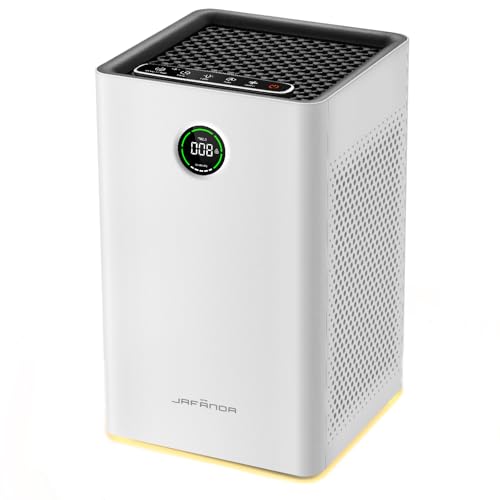
- Air purifier with HEPA and activated carbon for musty smell cabin


Before You Start
Assess moisture sources: leaks, roof, windows, or damp basements. Clear clutter to improve air flow and vacuum visible mold carefully with protective gear. Safety note: wear a mask when dealing with mold; ensure proper ventilation. Time estimates vary by space, but plan for daily operation over several days to several weeks depending on severity.
Prepare surfaces with a mild cleaning solution and let areas dry completely before sealing in odors. Do not mix cleaning chemicals; follow label directions. If mold covers large areas or you experience health symptoms, consider professional assessment before proceeding.
Step-By-Step: How To Get Rid Of Musty Smell In Cabin
- Measure humidity with a reliable hygrometer and set the dehumidifier to maintain 30–50% relative humidity.
- Place the dehumidifier for musty smell in cabin in central rooms and run continuously during damp seasons.
- Ventilate by opening doors and windows when possible, especially after rain or snowmelt.
- Petition surfaces with visible mold using a solution of water and mild detergent; scrubbing helps remove spores before airing.
- Distribute activated charcoal odor absorber for mildew musty odor in closets, bathrooms, and storage areas to absorb lingering smells.
- Run the air purifier with HEPA and activated carbon for musty smell cabin to trap particles and odors; replace filters per manufacturer guidance.
- Keep spaces dry by sealing drafts and using moisture barriers in damp rooms; re-check humidity levels weekly.
- Schedule monthly maintenance: clean purifier pre-filters and wipe dehumidifier tanks to prevent mold growth in residues.
Troubleshooting
| Symptom | Likely Cause | Fix | Prevention |
|---|---|---|---|
| Persistent musty odor after cleaning | Hidden mold spores | Re-inspect walls and ceilings; consider professional mold remediation | Improve airflow and control humidity |
| Humid air despite dehumidifier | Insufficient capacity for space | Upgrade to a larger unit or add a second dehumidifier | Seal leaks and use exhaust fans in kitchen/bath areas |
| Air purifier capacity exceeded | Filter clogged or wrong unit for room size | Replace filters and verify purifier’s square footage rating | Integrate purifier into regular cleaning routine |
| Musty smell returns after rain | Outdoor moisture seeping indoors | Improve sealing around doors/windows; use weather stripping | Use dehumidifier during wet seasons |
Common Mistakes
- Relying on odor absorbers alone without reducing moisture
- Running a purifier without addressing mold sources or leaks
- Overlooking hidden mold behind walls or furniture
- Using strong cleaners without adequate ventilation
These missteps can delay relief and allow odors to persist. A balanced approach that targets moisture, spores, and smells yields the best long-term results.
Tips For Best Results
- Keep relative humidity consistently below 50% where feasible.
- Operate dehumidifier and air purifier in the most affected zones for 24/7 periods during damp seasons.
- Place odor absorbers near sources of dampness, such as laundry areas or basements.
- Inspect window frames and roof lines for leaks after heavy rain.
- Schedule seasonal maintenance: clean filters, test humidity, and refresh absorbers.
Call A Professional
Stop signs for seeking help include persistent mold growth, health symptoms like persistent coughing or wheezing, water intrusion that can’t be contained, or musty odors that return despite treatment. If you encounter structural moisture or extensive mold, contact a licensed contractor or mold remediation specialist.
FAQ
What causes a musty smell in a cabin?
Moisture buildup, mold or mildew growth, poor air circulation, and infrequent cleaning commonly contribute to musty odors.
How quickly can I reduce musty smells?
Initial improvements can appear within 24–72 hours with moisture control and a purifier, but complete results may take several days to weeks.
Do dehumidifiers create mold or air quality risks?
When used properly, they reduce moisture and improve air quality; empty and clean tanks regularly to prevent mold growth inside the unit.
Can I use a single air purifier for an entire cabin?
Yes if the purifier is rated for the cabin’s square footage; otherwise, use multiple units or a centralized system for larger spaces.
Should I remove all fabrics to fix odors?
Fabrics can trap moisture and odors; wash or replace heavily affected textiles and ensure drying in a sunlit environment.
Is activated charcoal safe for homes with pets?
Yes when used as directed; place odor absorbers out of pets’ reach and monitor for any signs of irritation.
Is professional mold remediation always necessary?
Not always, but it is recommended for extensive mold growth, structural damage, or if DIY efforts fail to improve conditions.
Buying Guide
When choosing tools to manage a musty cabin, consider size, noise, energy use, and placement. A compact dehumidifier may fit small cabins, while larger spaces benefit from higher-capacity models. Noise matters in sleeping areas or living rooms, so check decibel levels. For odors, select an air purifier with HEPA filtration and activated carbon to target spores and smells. Consider energy efficiency, smart controls for ongoing operation, and placement options to maximize airflow. Compare units by room size coverage, filter availability, maintenance frequency, and warranty. A multi-pronged setup often yields the best results: moisture control, odor absorption, and air purification working in concert across the cabin. Are you optimizing placement for airflow, or balancing power use with continuous operation? A practical plan aligns with climate, occupancy, and cleaning routines for durable relief.
Leave a Reply