How to Clean a Stinky Cat
Cat odors can stem from skin conditions, outdoor activities, or accidental messes. A calm, methodical approach helps improve your cat’s cleanliness and comfort without stressing the animal. This guide walks through practical steps to reduce odors while keeping your pet safe and clean.
Regular grooming and a gentle bath routine can make a noticeable difference. The tips below emphasize using kid-glove patience, proper tools, and safe products designed for cats.
Quick Answer
Start with a careful brush to remove loose fur, spot clean any stains, and use a mild, cat-safe shampoo for a full rinse. For persistent smells, treat the coat with an enzymatic odor remover spray after drying, and finish with a quick brush to restore fur shine and scent neutrality.
What You’ll Need
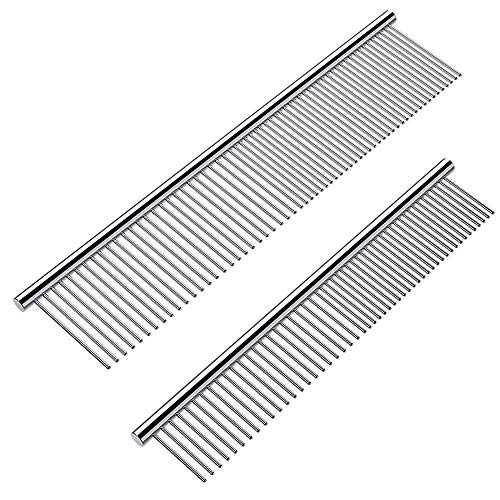
- Stainless steel pin brush for cats long-haired grooming tool — helps loosen mats and reduce odor-causing debris in long-coated cats
- Enzymatic cat odor remover spray 16oz — targets organic odors at the source
- Cat soothing oatmeal shampoo hypoallergenic 16oz — gentle cleansing for sensitive skin


Before You Start
Choose a warm, draft-free area and have towels ready. Use lukewarm water and avoid spraying liquids directly on the face or ears. If your cat has sensitive skin, test a small area first and watch for redness or itching. Time estimate: 30–60 minutes for a full bath and odor treatment, plus ongoing brushing sessions as needed. Avoid water exposure to the ears and eyes and never use human shampoos on cats, which can be irritating.
Step-By-Step: How To Clean A Stinky Cat
- Gently brush the cat with the stainless steel pin brush to remove loose fur and mats, which trap dirt and odors.
- If mats are present, work slowly and use detangler if needed; avoid tugging to prevent stress.
- Dampen a cloth with lukewarm water and wipe down the coat to remove surface grime from the back and sides.
- Apply a small amount of cat soothing oatmeal shampoo hypoallergenic to a damp area and lather lightly, focusing on soiled regions. Never pour shampoo directly on the head.
- Rinse thoroughly with lukewarm water, ensuring no shampoo remains in fur or skin folds—the residue can cause odor buildup.
- Pat the cat dry with towels and keep the room warm while the coat air-dries or use a low-heat pet-friendly dryer if the cat tolerates it.
- Spray the coat with enzymatic cat odor remover spray 16oz in a light, even mist once the fur is mostly dry to neutralize lingering smells at the source.
- Lightly brush again to blend the product into the coat and restore fluff and smoothness.
- Reward the cat with a treat and lots of gentle praise to reinforce a positive association with bath time.
- Monitor for any signs of irritation or recurring odor; schedule regular grooming to prevent buildup.
- For ongoing odor control, incorporate a routine brushing and periodic odor spray after baths or outdoor adventures.
- Evaluate the need for a veterinary check if the odor persists beyond a few days or if the skin appears red, flaky, or inflamed.
Troubleshooting
| Symptom | Likely Cause | Fix | Prevention |
|---|---|---|---|
| Strong odor returns quickly | Insufficient drying or residue left in fur | Ensure thorough rinse and complete dry time | Dry thoroughly after baths, brush regularly |
| Skin irritation after bath | Allergic reaction or harsh shampoo | Stop using product and rinse well; switch to hypoallergenic options | Test patch before full baths |
| Mats reform soon after brushing | Undercoat buildup or infrequent grooming | Increase brushing frequency with a suitable tool | Establish regular grooming schedule |
| Persistent facial odor | Dental or sinus issues | Consult a veterinarian for a dental exam or nasal assessment | Maintain oral care routine and vet checkups |
Common Mistakes
- Ignoring mats; they trap odors and worsen skin issues
- Using human shampoo or dish soap on cats
- Rushing through rinsing, leaving residue that anchors smells
- Over-wetting the head and ears during baths
Taking time to brush before bathing reduces friction and makes cleaning easier. Always read product labels and use tools designed for cats only.
Tips For Best Results
- Brush your cat weekly with the pin brush to reduce odor-causing debris and mats in long-haired breeds
- Use the enzymatic odor remover after baths or strong outdoor exposure to keep smells at bay
- Schedule baths during calm times or use a familiar room to minimize stress
- Pair grooming with positive reinforcement to build a cooperative routine
- Keep a small supply kit handy for quick touch-ups between full baths
Call A Professional
Consider professional help if: the cat is severely stressed during baths, there are persistent skin infections, or odor remains despite multiple cleanings. Seek veterinary advice if odor accompanies persistent scratching, hair loss, or redness, as these may signal medical conditions requiring treatment.
FAQ
Is it safe to bathe a cat with a strong odor?
Yes, using cat-safe products and lukewarm water can help; avoid over-washing, which can dry skin. If odors persist, consult a vet.
How often should I bathe a long-haired cat?
Typically every 4–8 weeks, depending on lifestyle and odor; weekly brushing reduces the need for frequent baths.
Can enzymatic odor removers harm my cat?
When used as directed, enzymatic products are safe and effective for odor neutralization.
What should I do if my cat dislikes baths?
Try gradual desensitization, shorter sessions, and rewards. Use a calm voice, keep sessions brief, and consider professional grooming if necessary.
Buying Guide
Key buying factors help choose the right tools and products to keep a stinky cat clean and comfortable. Consider size and coat type, noise level of grooming tools, energy and water needs, controls on grooming devices, and placement options for grooming routines.
- <bCoat Type and Size: Long-haired cats benefit from a robust pin brush to remove mats and reduce odor buildup.
- <bGrooming Tool Noise: Quiet brushes reduce stress during brushing sessions.
- <bOdor Control: An enzymatic spray complements regular baths by targeting odor at the source.
- <bCleansing Product: Choose a mildly scented or unscented cat shampoo that is hypoallergenic and soap-free.
- <bEase Of Use: Look for non-slip grips and easy-rinse formulas to expedite bath time.
- <bPlacement: Staging a dedicated grooming corner helps keep routines consistent and reduces pet anxiety.
With the right tools and routines, keeping a cat clean and odor-free becomes a manageable, even pleasant, part of pet care. If odors persist despite proper care, a veterinarian can identify underlying issues and propose tailored treatment options.
Leave a Reply