How to Get Rid of Morning Dew on Car
Morning dew on a car can be a nuisance, especially for those who park outside or keep a vehicle in humid climates. This guide provides practical, step-by-step methods using common tools to remove dew effectively while protecting the vehicle’s surfaces. The focus is on safe techniques that minimize water spots and potential scratches.
Quick Answer
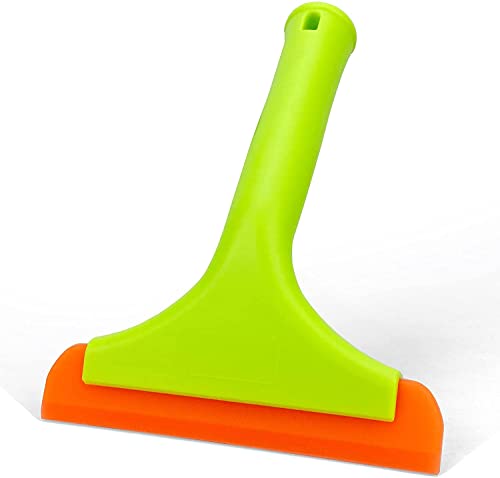
For quick dew removal, start with a microfiber car drying towel jumbo to blot excess moisture, followed by a car windshield squeegee rubber blade to wipe down glass surfaces. If dew returns or you park in a humid area, use a portable car dehumidifier desiccant to reduce interior moisture between drives. These three tools cover the most common dew situations inside and outside the vehicle.
What You’ll Need
- Car windshield squeegee rubber blade
- Microfiber car drying towel jumbo for dew removal
- Portable car dehumidifier desiccant for interior moisture

![wisedry 2 x 500 Gram [2.2 lbs] Rechargeable Silica Gel Car Dehumidifier, Microwave Fast Reactivated Desiccant Packets Large for Gun Safe Closet Basement Garage Storage Moisture Absorber Bag Reusable](https://m.media-amazon.com/images/I/51pHUtcOd3L._SL500_.jpg)
Before You Start
Prepare a clean, shaded area for work to avoid rapid drying that can cause water spots on paint. If you wash the car first, ensure the surface is cool and dry the body panels with a microfiber towel to prevent streaks. Wear protective gloves if you have sensitive skin and keep the vehicle’s electronic sensors unobstructed.
Cautions: Do not rub aggressively on dried dew; dew can contain minerals that scratch if dragged across the surface. Avoid direct sunlight during dew removal, as heat can set mineral deposits.
Step-By-Step: How To Remove Morning Dew Efficiently
- Park in shade and power down any active alarms; ensure the car is stable and parked on a flat surface.
- Gently inspect glass, mirrors, and chrome for any loose dirt or grit; remove larger debris with a soft brush or cloth.
- Begin with the windshield squeegee rubber blade, using light, even strokes from the center outward to lift dew from the glass without scratching.
- Switch to the jumbo microfiber drying towel; pat and blot remaining moisture from windows, avoiding circular scrubbing on painted surfaces.
- Move around the car, repeating the above steps on side windows and mirrors to prevent water spot formation.
- Use the towel to blot exterior dew from door seals, trim, and chrome to minimize moisture pooling and potential rust spots over time.
- If interior dew appears on the glass or dashboard, place a small desiccant packet or portable dehumidifier in the cabin for a short period before driving.
- Inspect the paint for any residual spots; re-wipe with a fresh microfiber towel if needed to ensure a uniform finish.
- Store tools properly in a dry area to prevent mildew or odor buildup inside the vehicle.
- Consider a routine dew-prevention plan, such as parking in a covered area or using a sunshade when dew is common.
- Recheck the vehicle before driving to ensure all critical surfaces are clear of dew and moisture is minimized.
- If dew returns quickly, identify moisture sources (door seals, vents) and address them with appropriate sealing or drying practices.
Troubleshooting
| Symptom | Likely Cause | Fix | Prevention |
|---|---|---|---|
| Persistent water spots after drying | Mineral deposits or insufficient drying | Use a fresh microfiber towel; re-wipe with light pressure | Dry in shade; avoid direct sun when possible |
| Glass remains foggy after dew removal | Interior humidity or condensation on seals | Place desiccant inside; run A/C heater briefly to dehumidify | Keep interior slightly ventilated when parked |
| Streaks on paint | Rubbing dew with rough fabric | Switch to soft microfiber towel; use blotting motions | Wash and dry car regularly to remove minerals |
| Water returns quickly to surfaces | High outdoor humidity or rapid cooling at night | Moisture control inside garage; use car cover | Park in covered or shaded areas when possible |
Common Mistakes
- Using harsh or abrasive cloths on glass or paint, which can scratch the surface.
- Rubbing dew across the surface instead of blotting or lifting it away.
- Ignoring interior moisture, which can cause fogging and mold risk over time.
- Relying on direct sunlight to dry dew, which may cause water spots and mineral staining.
Tips For Best Results
- Keep a dedicated microfiber towel in the car for quick dew removal on the go.
- Use a windshield squeegee with a soft rubber blade to prevent micro-scratches on glass.
- Store desiccant packets or a compact dehumidifier in the cabin to reduce interior humidity between drives.
- Wipe from the center of glass outward to minimize streaks and improve visibility.
- Clean and condition rain gutters and door seals periodically to reduce moisture ingress.
Call A Professional
Consider professional help if dew-related issues persist in unexpected places, such as persistent interior moisture, persistent water spots after cleaning, or signs of exterior seal damage. Seek a mechanic or detailing professional if you notice water intrusion around windows, seals, or under interior panels.
FAQ
What is the fastest way to remove dew from a car window?
Use a car windshield squeegee rubber blade for initial dew removal, then finish with a jumbo microfiber towel to blot remaining moisture.
Can dew cause permanent damage to paint or glass?
Typically no if addressed promptly; long-term moisture and mineral buildup can create water spots or residue.
Should I use a towel or a squeegee on all surfaces?
Use a squeegee on glass surfaces; use microfiber towels for paint, trim, and interior surfaces.
When should I use a portable dehumidifier in the car?
In consistently humid climates or when dew recurs inside the vehicle, a portable dehumidifier helps reduce interior moisture between uses.
Is dew removal different in winter?
Winter dew may form overnight; the same steps work, but cold surfaces can make moisture harder to lift, so blotting with a warm towel can help.
Do I still need to wash the car if it has dew?
Washing is optional for dew removal but recommended periodically to reduce mineral buildup and keep surfaces clean.
Buying Guide
When choosing tools to manage morning dew, consider size, weight, and ease of use. The primary factors include how the kit handles glass versus paint surfaces, noise and effort required, and how it fits into a routine. For dew control, select a car windshield squeegee rubber blade with a soft edge to protect glass and a jumbo microfiber towel that remains lint-free after multiple uses. A portable car dehumidifier desiccant helps maintain interior dryness, particularly in humid regions or garages with limited ventilation.
Key buying factors to compare:
- Size and ergonomic design: A comfortable grip helps in long or frequent dew-removal sessions.
- Material quality: Durable rubber blades and high-absorbency microfiber towels reduce risk of scratches and water spots.
- Noise and ease of use: Squeegees should glide smoothly; towels should absorb moisture quickly without leaving lint.
- Energy efficiency and maintenance: For dehumidifiers, check desiccant life, replacement indicators, and power needs.
- Controls and portability: A compact dehumidifier with refill indicators is convenient for travel and daily use.
- Placement flexibility: Tools should store easily in the trunk or garage, and the dehumidifier should fit in the cabin or trunk as needed.
Considering these factors helps choose a balanced setup that meets dew-removal needs without overcomplicating storage or use. If a car is frequently parked in humid environments, a combined approach using each of the listed tools can provide consistent results and reduce the risk of water spots or interior moisture buildup.
Leave a Reply