How to Clean Concrete Patio
Cleaning a concrete patio restores curb appeal and extends the life of outdoor spaces. A well-planned approach uses the right equipment, surface-safe techniques, and a steady routine to remove dirt, stains, algae, and mildew. This guide provides practical steps for American homeowners to achieve a clean, inviting patio with common tools and safe practices.
With the right setup, a clean patio can dramatically improve outdoor enjoyment. The methods below emphasize efficiency and safety, helping readers choose the appropriate gear and perform effective cleaning without damaging the surface.
Quick Answer
Best method: Use an electric pressure washer 2000-3000 PSI for concrete patio cleaning combined with a patio surface cleaner attachment for pressure washer (concrete patio) and a stiff nylon deck scrub brush for concrete patio cleaning for stubborn spots. Spray at a consistent distance, work in sections, and rinse thoroughly. Treat tough stains with a concrete-safe cleaner, then rinse again to prevent residue.
What You’ll Need
- electric pressure washer 2000-3000 PSI for concrete patio cleaning
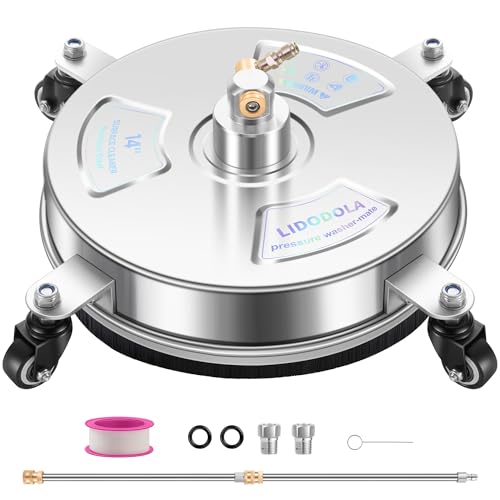
- patio surface cleaner attachment for pressure washer (concrete patio)
- stiff nylon deck scrub brush for concrete patio cleaning
- Concrete-safe cleaner or degreaser (biodegradable recommended)
- Garden hose and spray nozzle
- Safety gear: eye protection, gloves, non-slip shoes
- Stubborn stain remover or poultice (for oil, rust, or grease)


Before You Start
Assess the patio surface for cracks, loose grout, or spalling. Repair cracks if needed and seal after cleaning to protect against future staining. Clear furniture and planters, remove debris, and cover nearby plants if using cleaners. Wear eye protection and non-slip footwear, and test the cleaner on a small area first to avoid discoloration. Estimate 2–4 hours for a typical medium patio, depending on stain severity and surface condition.
Step-By-Step: How To Clean Concrete Patio
- Clear the area and sweep away loose dirt, leaves, and debris to prevent streaks during washing.
- Protect surrounding vegetation with plastic sheets or move potted plants away from the work zone.
- Rinse the surface with a steady, low-pressure spray to remove surface dust before applying cleaners.
- Apply a concrete-safe cleaner or degreaser to stained regions, following the product’s instructions for dwell time.
- Operate the electric pressure washer 2000-3000 PSI with the surface cleaner attachment for even, edge-to-edge cleaning. Move in a consistent pattern to avoid streaks.
- For stubborn spots, use the stiff nylon deck scrub brush to scrub the area in a circular motion, then rinse again with the pressure washer.
- Work in sections, starting from one corner and moving outward to prevent re-soiling areas you already cleaned.
- Rinse thoroughly to remove cleaner residues; allow the surface to dry completely before placing furniture back.
Troubleshooting
| Symptom | Likely Cause | Fix | Prevention |
|---|---|---|---|
| Poor cleaning on embedded stains | Insufficient dwell time or wrong cleaner | Reapply cleaner and increase dwell time; use stiff brush | Pre-treat oil or rust stains promptly |
| Streaks after washing | Inconsistent nozzle distance or movement | Maintain uniform distance and smooth, overlapping sweeps | Test on a small area first |
| Surface damage or etching | Excessive pressure or using the wrong cleaner | Reduce PSI or switch to a gentler cleaner | Follow product guidelines; use surface cleaner attachment |
| Residual cleaner residue | Rinsing insufficient | Rinse with clear water thoroughly | Rinse in multiple passes if needed |
Common Mistakes
- Using too high pressure near edges or weak spots—risk of surface damage.
- Skipping pre-cleaning steps, which makes stain removal harder.
- Neglecting safety gear, especially eye protection and slip-resistant footwear.
- Not testing cleaning products on a small area first, risking discoloration.
Tips For Best Results
- Choose a biodegradable concrete cleaner to protect nearby plants and soil.
- Keep a consistent walking pattern to avoid patchy results; overlap slightly between passes.
- Use the surface cleaner attachment for wide, flat areas to reduce streaking.
- For frequent maintenance, plan a quarterly cleaning routine to minimize buildup.
- Allow the surface to dry fully before placing furniture back to prevent marks.
Call A Professional
Consider a professional if the patio has extensive staining, deep oil spills, or structural cracks. Stop and call a pro if you notice severely damaged concrete, efflorescence, or if previous attempts caused discoloration. If you feel unsure about using a high- PSI pressure washer or handling chemical cleaners near plants, seek expert assistance.
FAQ
Can I use a regular garden hose to clean a concrete patio?
Hoses are useful for rinsing and pre-wetting, but for deep cleaning and stain removal, a pressure washer with a surface cleaner provides better results.
What PSI is safe for concrete patios?
Generally, 2000–3000 PSI is effective and safe when used with a surface cleaner attachment and proper technique.
Should I seal the patio after cleaning?
Yes, sealing helps protect against stains and weathering. Wait until the surface is completely dry and follow the sealer manufacturer’s instructions.
How often should I clean my concrete patio?
For most homes, a thorough cleaning twice a year, plus spot-cleaning as needed, keeps the surface looking like new.
What about oil stains?
Oil stains benefit from a degreaser or poultice. Let it dwell, scrub with a stiff brush, rinse, and repeat if necessary.
Is a stiff nylon deck brush safe for all concrete surfaces?
Yes, a stiff nylon brush is typically safe for most concrete patios, but test on a small area first to confirm no surface abrasion.
Buying Guide
When choosing equipment and supplies for cleaning a concrete patio, consider the following factors to optimize performance and safety.
Size and layout: Measure the patio to determine the cleaning footprint and whether a surface cleaner attachment will cover wide areas efficiently. Larger patios benefit from a broader attachment head and longer hoses.
Noise level: Electric pressure washers tend to be quieter than gas-powered units. If noise is a concern or you have nearby neighbors, opt for models with lower decibel ratings and quieter operation modes.
Power and pressure: A 2000–3000 PSI range is suitable for typical patios. Match PSI with flow rate (GPM) to balance cleaning power and water usage. For stubborn stains, choose a unit capable of higher PSI with consistent performance.
Energy efficiency and sustainability: Look for energy-efficient pumps, eco-friendly cleaners, and recyclable accessories. A reusable surface cleaner reduces water waste and speeds up cleaning time.
Controls and ergonomics: Adjustable spray patterns, simple trigger locks, and ergonomic handles reduce fatigue during extended cleaning sessions. A swiveling wand and quick-connect fittings streamline setup.
Placement and storage: Store equipment in a dry area and protect hoses from kinking. Consider a compact surface cleaner that is easy to mount on a shelving unit or in a garage corner.
Maintenance and compatibility: Choose cleaners and attachments compatible with your washer model. Regular maintenance of the pump, seals, and nozzle tips extends equipment life.
With these factors in mind, homeowners can select the right gear for effective, safe, and efficient concrete patio cleaning, achieving long-lasting outdoor spaces that welcome family and guests. If in doubt, consult product manuals or a professional for tailored recommendations.
Leave a Reply