How to Get Rid of Lizards on Patio
Lizards on a patio are often harmless, but many homeowners prefer to minimize their presence for comfort and aesthetics. This guide covers practical, humane methods using common outdoor products and safe practices suitable for American yards and patios.
By following a simple, step-by-step plan, you can reduce lizard activity without resorting to harsh chemicals or drastic measures. The focus here is on deterrents, traps, and prevention that respect local wildlife while keeping outdoor spaces pleasant.
Quick Answer
Use a combination of a humane lizard trap, an outdoor ultrasonic pest repeller lizard deterrent patio, and a peppermint oil reptile repellent spray for patio outdoor 32 oz to deter lizards. Position guards and clean entry points to limit access, then monitor and adjust as needed.
What You’ll Need
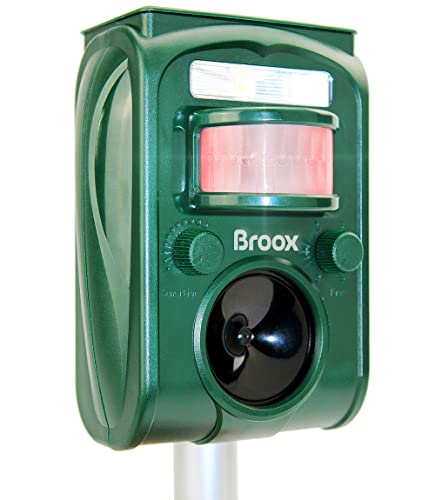
- Outdoor ultrasonic pest repeller lizard deterrent patio
- Peppermint oil reptile repellent spray for patio outdoor 32 oz
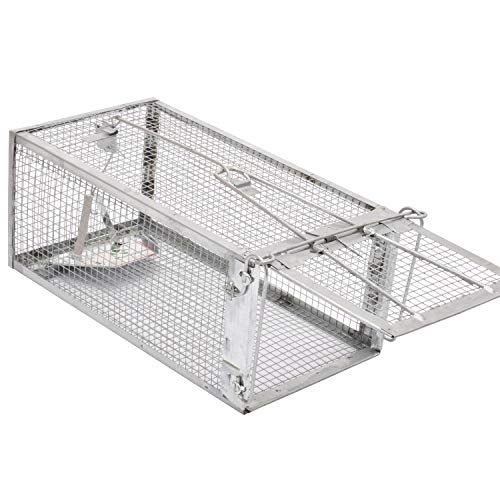
- Humane lizard trap outdoor patio

Before You Start
Assess the patio for potential lizard attractants such as insects, standing water, or dense ground cover. Clean up debris, seal gaps under doors, and trim vegetation away from seating areas. Safety first: follow label directions for all products, keep pets and children away during application, and test sprays on a small inconspicuous area first. Time estimates: planning 15–30 minutes, initial deterrence 1–2 days, long-term results 1–2 weeks with consistent effort.
Step-By-Step: How To Get Rid Of Lizards On Patio
- Survey the area to identify entry points and lizard hotspots such as sunny walls, rocks, and potted plants.
- Install or place the outdoor ultrasonic pest repeller lizard deterrent patio at strategic corners where motion and heat tend to attract lizards.
- Apply the peppermint oil reptile repellent spray for patio outdoor 32 oz along baseboards, under furniture, and around entry points where lizards are seen entering or exiting.
- Set up the humane lizard trap outdoor patio in areas with high lizard activity, placing bait-free humane traps to capture and relocate if permitted in your area.
- Seal gaps and cracks under doors, around windows, and along skirting boards to reduce shelter opportunities.
- Keep outdoor lighting minimal or switched off during peak lizard hours to reduce insect activity that attracts lizards.
- Regularly remove food sources by rinsing pet food dishes and clearing spilled seeds or crumbs from patio surfaces.
- Reposition deterrents after a few days if you notice continued activity, ensuring even coverage across patios and entryways.
- Monitor weather changes; after rain, lizards may linger near damp areas, so reapply spray and check traps as needed.
- Maintain a routine of garden grooming, such as raking leaves and trimming hedges, to minimize shelter and insect habitats.
- Document results weekly and adjust placement of devices and traps to optimize effectiveness without harming wildlife.
Troubleshooting
| Symptom | Likely Cause | Fix | Prevention |
|---|---|---|---|
| Lizards persist near seating areas | Insect activity and shelter nearby | Increase insect control, relocate deterrents | Regular yard maintenance and clean spaces |
| Ultrasonic deterrents seem ineffective | Device placement or environmental interference | Reposition away from walls, avoid metal surfaces | Test one device at a time to gauge impact |
| Peppermint spray not lasting | Sun exposure or rain diluting the solution | Reapply according to label and wear gloves | Use covered areas and reapply after rain |
| Traps capture non-target wildlife | Unintended attractants nearby | Relocate traps away from frequented spaces | Identify safe trapping zones with local regulations |
Common Mistakes
- Relying on a single deterrent instead of a multi-pronged approach
- Overlooking entry points and shelter areas
- Using harsh chemical sprays that may harm pets or beneficial insects
- Ignoring local wildlife regulations when using traps or relocation methods
By avoiding these mistakes, outdoor spaces stay safer and more comfortable while addressing lizard presence effectively.
Tips For Best Results
- Combine deterrents with habitat modification to reduce insect prey.
- Place deterrents in shaded corners and along walls where lizards like to bask.
- Rotate spray application sites to prevent lizard adaptation to a single area.
- Keep a simple log of where devices are placed and lizard sightings to refine placement.
- Check local guidelines before using traps or relocation methods to stay compliant.
Call A Professional
Consider contacting a licensed pest control professional if lizard activity becomes persistent despite multiple deterrents, if you observe unusual animal behavior, or if you are unsure about trap placement and local regulations. Seek professional guidance when there is potential risk to children or pets, or if the infestation grows beyond manageable levels.
FAQ
Are lizards dangerous to humans on a patio?
Lizards are generally not dangerous to humans; they help control insect populations. Most homeowners experience little to no risk when using humane deterrents and proper precautions.
Will peppermint oil spray harm plants or pets?
When used as directed and kept away from pets, peppermint oil sprays can be safe on outdoor surfaces. Always test first and avoid direct contact with sensitive plants.
Do ultrasonic deterrents work for lizards?
Effectiveness varies by environment. For best results, combine ultrasonic devices with habitat modification and repellents, and monitor performance over a couple of weeks.
How should I relocate captured lizards?
Relocation should follow local regulations. If allowed, release lizards at a suitable distance from your home to minimize return risk and avoid harming wildlife.
What maintenance is needed for deterrents?
Regularly inspect devices and traps, reapply repellents as directed, and tidy the patio to remove attractants like insects and debris.
How long does it take to see results?
Most properties notice improvement within 1–2 weeks with consistent application and prevention efforts.
Buying Guide
When choosing products to reduce lizards on a patio, consider size, placement flexibility, noise levels, and ease of use. A balanced setup often includes a humane lizard trap outdoor patio for relocation, an outdoor ultrasonic pest repeller lizard deterrent patio for continuous deterrence, and a peppermint oil reptile repellent spray for quick spot treatment. Look for weather-resistant materials and clear safety instructions to fit American patios and climate zones. If your space includes a lot of shaded corners or dense plantings, you may need multiple deterrents or a larger trap setup to cover all access points. Evaluate user reviews and product warranties to ensure reliable performance in outdoor conditions. For multi-area patios, plan a phased deployment to test effectiveness before scaling up. Always verify local wildlife regulations before implementing traps or relocation strategies.
Leave a Reply