How to Get Rid of Little Gnats
Gnats can quickly infest kitchens, bathrooms, and potted plants, especially in warm, humid conditions. This practical guide provides proven steps to reduce and eliminate tiny gnats in American homes. By combining simple traps, targeted cleaning, and smart prevention, you can regain a bug-free space without harsh chemicals.
Readers will find a clear, step-by-step approach, quick at-a-glance methods, and practical product recommendations to address indoor gnats effectively. The guidance emphasizes safe household practices and easy-to-find tools to support ongoing control.
Quick Answer
Act quickly to disrupt breeding cycles. Use a combination of attractant traps and sanitation within 24 hours, followed by ongoing monitoring. For immediate relief, place an inexpensive indoor gnat trap using apple cider vinegar, pair it with sticky traps to catch adults, and consider an electric bug zapper for indoor fruit fly control as a supplemental option.
What You’ll Need
- Indoor gnat trap apple cider vinegar
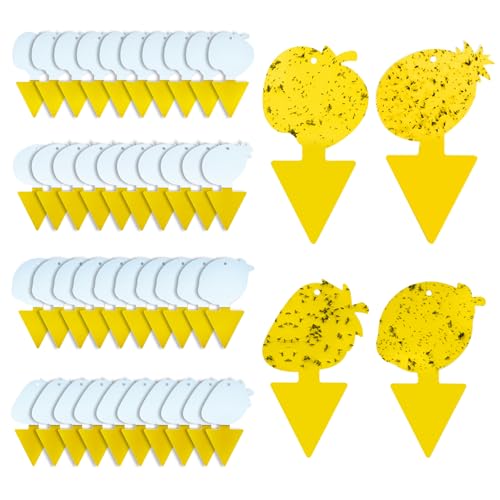
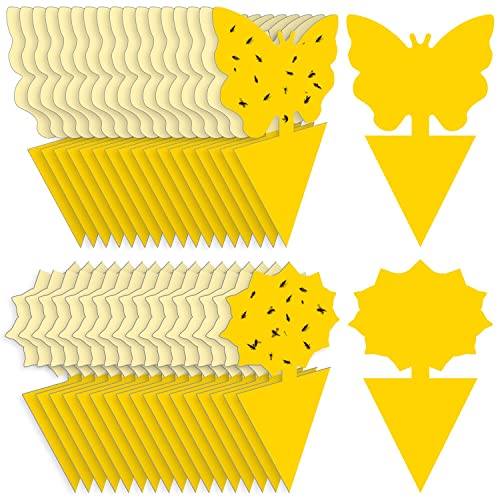
- Fruit fly trap sticky cards
- Electric bug zapper indoor fruit fly

Before You Start
Before beginning, identify likely breeding sites: overwatered houseplants, exposed fruit, and drains with organic buildup. Clear clutter, wipe surfaces, and empty trash regularly. Use gloves if handling any moldy compost or rotten produce. Plan a daily cleanup routine for 1–2 weeks to interrupt the life cycle of gnats, which can reproduce rapidly in moist environments.
Time estimate: 30–60 minutes for initial setup, plus daily checks for 2–3 weeks. Safety note: if you have a large, persistent infestation or allergies, consult a professional.
Step-By-Step: How To Get Rid Of Little Gnats
- Inspect all potential breeding sites, focusing on damp soil in houseplants and exposed fruits on counters.
- Remove overripe produce and store fruit in the refrigerator or sealed containers to reduce attractants.
- Empty and rinse sink drains and garbage disposals; sprinkle baking soda and vinegar to loosen organic buildup, then flush with hot water.
- Set up indoor gnat traps using apple cider vinegar as an attractant in shallow bowls with a drop of dish soap to break the surface tension.
- Place fruit fly trap sticky cards near problem areas such as under sinks, near plants, and by fruit bowls to capture adults.
- Use a portable electric bug zapper indoor fruit fly in rooms with high activity, ensuring it’s placed away from food prep zones and out of reach of children or pets.
- Regularly refresh traps: replace vinegar every 2–3 days and swap sticky cards as they fill.
- Maintain dryness in plant soil by allowing top inch to dry out between waterings; consider adding a moisture meter for precision.
Troubleshooting
| Symptom | Likely Cause | Fix | Prevention |
|---|---|---|---|
| Gnats persist after traps | Breeding sites remain active | Address plant soil moisture and drain buildup | Regular sanitation and monitored watering |
| Traps catch few gnats | Low attractant effectiveness | Replace vinegar solution; add a small amount of sugar | Rotate attractants or reposition traps |
| Sticky cards fill quickly | High adult population | Increase trap density in affected areas | Frequent replacement during peak season |
| Gnats around drains | Organic buildup in plumbing | Deep clean with drain gel or enzyme cleaner | Annual maintenance near sinks |
Common Mistakes
- Relying on a single trap instead of a multi-prong approach
- Overwatering houseplants and leaving damp soil unattended
- Ignoring food storage and fruit disposal in the kitchen
- Using harsh chemicals that may drive gnats into other rooms
Tips For Best Results
- Place traps at plant level and near bins, sinks, and repurposed containers where gnats gather.
- Rotate attractants if the population doesn’t decline within a few days.
- Keep kitchen surfaces dry and promptly wipe spills to remove sugars and residues.
- Pair traps with regular plant care: avoid overwatering and improve drainage.
- Seal pantry and fruit storage to limit food accessibility for gnats.
Call A Professional
Consider a pro if the infestation covers multiple rooms, recurs after cleaning, or you suspect a drainage or sewage issue. Stop signs include high humidity coupled with persistent flying adults, or if you notice mold growth in damp areas. A professional can perform a targeted inspection and recommend a comprehensive treatment plan.
FAQ
Are gnats the same as fruit flies?
They share similar habitats; gnats are often attracted to moisture and organic matter, while fruit flies specifically breed in fermenting fruit and sugary residues.
Will apple cider vinegar traps work for gnats?
Yes, they’re effective as a low-cost, ready-to-use option to attract and trap gnats.
How long does it take to reduce an infestation?
Most households notice a decline within 1–2 weeks with consistent sanitation and trapping.
Can I use essential oils to repel gnats?
Some oils may help deter gnats but are not a sole solution; use them in combination with traps and sanitation.
Buying Guide
When choosing products to combat gnats, consider size of the affected area, presence of houseplants, and ventilation. Look for traps that use natural attractants like apple cider vinegar and ensure easy replacement of components. For larger or persistent problems, supplement with an electric bug zapper designed for indoor use, and ensure it is appropriate for indoor environments and pet safety. Compare products based on ease of setup, maintenance frequency, and effectiveness in dry versus humid spaces. Placement matters: position traps near breeding sites but away from food surfaces. Energy use for electronic devices should align with household comfort and safety preferences. Finally, check product reviews and independent test results to gauge real-world performance in homes similar to yours.
Leave a Reply