How to Clean Aluminum Pool Cage Frames
Aluminum pool cage frames add long-lasting structure to outdoor spaces, but exposure to sun, rain, and pool chemicals can dull their finish. This guide outlines a practical approach to restore brightness and protect the frame, using safe tools and common cleaners.
Quick Answer
For a fast refresh, rinse the frame with a pressure washer for aluminum pool cage on a low setting, scrub with an aluminum pool enclosure cleaning brush and mild detergent, then rinse again. Finish with a dedicated aluminum patio enclosure cleaner and brightener spray for a longer-lasting shine.
What You’ll Need
- Aluminum pool enclosure cleaning brush — scrub away grime without scratching the surface
- Pressure washer for aluminum pool cage — for quick removal of stubborn dirt (use low pressure)
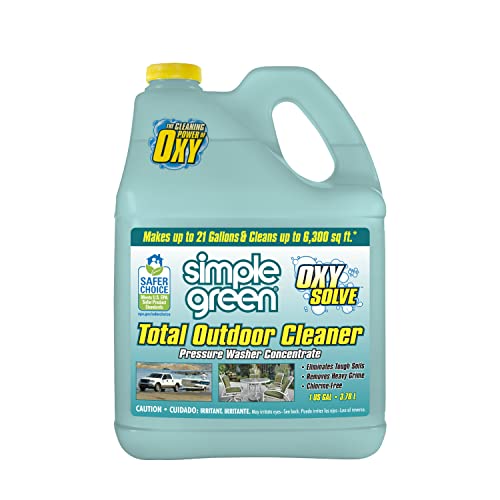
- Aluminum patio enclosure cleaner and brightener spray — for final brightening and protection
- Microfiber cloths or soft rags
- Soft-bristle brush or sponge
- Soap or mild detergent (pH-neutral)
- Warm water bucket

Before You Start
Inspect the frame for any loose components, rust spots, or damaged seals. Protect nearby plants and landscaping by wetting soil and covering with a drop cloth if needed. Work on a dry day with mild temperatures to prevent quick drying that can leave streaks. Wear eye protection and gloves to guard against splashes. Expect a cleaning session to take 45 minutes to 2 hours, depending on cage size and buildup.
Step-By-Step: How To Clean Aluminum Pool Cage Frames
- Prepare cleaning solution by mixing a mild detergent with warm water in a bucket.
- Rinse the frame with a light spray from the pressure washer for aluminum pool cage to loosen loose dirt.
- Dip the aluminum pool enclosure cleaning brush into the soapy solution and begin at one corner, scrubbing in smooth, overlapping motions.
- Rinse the brush frequently and switch to a clean section of the frame to avoid reapplying dirt.
- For stubborn stains, apply a small amount of cleaner directly to a soft-bristle brush and scrub gently, especially near joints and crevices.
- Rinse the frame thoroughly with the pressure washer for aluminum pool cage, moving in a steady, even sweep to prevent water pooling.
- Apply the aluminum patio enclosure cleaner and brightener spray according to label directions to restore brightness and seal the surface.
- Wipe down with a clean microfiber cloth to remove any remaining cleaner residues and buff to a shine.
- Allow the frame to air-dry completely before exposing it to rain or heavy use.
- Inspect for missed spots and repeat as needed for a uniform finish.
- Optional: Repeat the process seasonally to maintain bright, rust-free aluminum surfaces.
Troubleshooting
| Symptom | Likely Cause | Fix | Prevention |
|---|---|---|---|
| Streaks or water spots | Direct sun drying or cleaners left behind | Wipe with microfiber and finish with a light spray of brightener | Clean during cooler, overcast conditions |
| Stubborn gray film | Oil-based residues or mineral deposits | Use a neutral cleaner and an extra scrub with a soft brush | Rinse thoroughly after each cleaning |
| Scratching when brushing | Using a hard-bristle brush or excessive force | Switch to a soft-bristle brush and use gentle pressure | Maintain a light touch and monitor brush wear |
| Discoloration after brightener | Uncompatible cleaner or over-application | Follow product directions precisely and test on a small area first | Use only recommended products for aluminum |
Common Mistakes
- Using high-pressure washing too close to joints can bend or detach components
- Using harsh cleaners that corrode aluminum or strip protective coatings
- Skipping a thorough rinse, which leaves residues that attract more dirt
- Cleaning in direct sunshine when surfaces are hot, causing streaks
Tips For Best Results
- Test cleaners on a small, inconspicuous area first to ensure compatibility
- Work from top to bottom to prevent dirty water from dripping onto cleaned sections
- Regular maintenance every season reduces buildup and extends the frame’s life
- Use a dedicated aluminum patio enclosure cleaner and brightener spray after deep cleaning for a uniform look
- Store brushes and equipment dry to prevent mold and mildew on bristles
Call A Professional
Consider calling a pro if you notice:
- Extensive corrosion, pitting, or structural damage to the frame
- Persistent mold growth or algae that resists cleaning
- Unsecured panels or damaged seals that require expert repair
Professionals can assess frame integrity, perform deeper restoration, and advise on protective coatings or weatherproofing options.
FAQ
Can I use bleach to clean an aluminum pool cage?
Bleach can damage aluminum finishes; stick to mild detergents and aluminum-safe cleaners.
Is a pressure washer necessary for cleaning aluminum frames?
No, but a pressure washer speeds up the process and helps remove tough grime when used on a low setting.
How often should I clean my aluminum pool cage?
Weekly light rinses and a thorough deep-clean every 3–6 months, depending on climate and exposure.
Will brighteners protect the frame after cleaning?
Yes, a dedicated aluminum patio enclosure cleaner and brightener spray can help restore color and provide a protective layer when used as directed.
Buying Guide
When choosing products and planning maintenance for an aluminum pool cage, consider size, flexibility, and compatibility with outdoor conditions.
- <bSize and access: Measure frame length and height to select appropriate brushes and reach tools.
- <bNoise and power: A low-pressure setting is quieter and safer for joints; avoid high-powered units near glass or fragile components.
- <bEnergy and water use: Look for efficient spray patterns and rinsing methods; minimize water waste with targeted application.
- <bControls and ease of use: Choose cleaners and sprayers with clear instructions and safe spray nozzles to prevent overspray.
- <bPlacement considerations: Ensure cleaners are safe for surrounding plants and won’t cause runoff into lawns or gardens.
Comparing products should focus on material compatibility, application ease, and the ability to reach tight corners. For most residential cages, a combination of mild cleaners, a soft brush, and a low-pressure rinse delivers dependable results with minimal effort.
Leave a Reply