Natural Ways to Get Rid of Flies Outdoors
Flies can be a persistent nuisance in outdoor spaces, especially during warm months. This guide explains practical, chemical-free strategies to reduce fly activity around patios, yards, and decks, using a mix of habitat modification, traps, and humane deterrents. Readers will find step-by-step actions that balance effectiveness with safety for people, pets, and the environment.
By combining physical barriers, targeted attractants, and smart technology, homeowners can create an outdoor space that’s less inviting to flies. The focus is on accessible tools and methods that work well in typical American backyards and front yards.
Quick Answer
To lower outdoor fly activity, combine (1) a dedicated outdoor fly trap with attractant bait, (2) a solar powered outdoor electric fly zapper for high-traffic areas, and (3) an ultrasonic outdoor pest repeller for continuous deterrence. Improve results with routine sanitation, screened entry points, and strategic placement of traps away from seating areas.
What You’ll Need
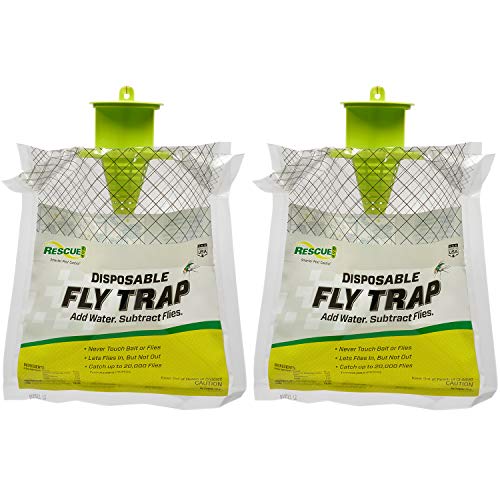
- Outdoor fly trap with attractant bait for yard
- Solar powered outdoor electric fly zapper
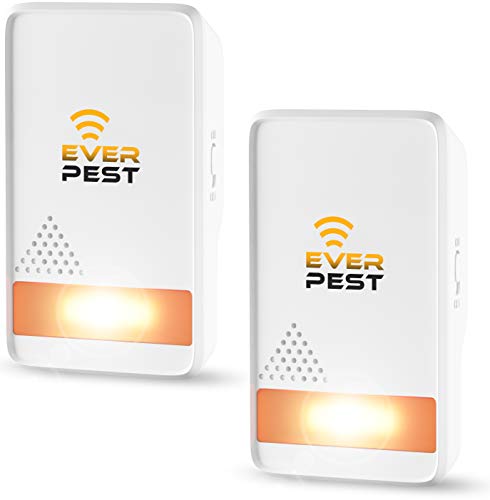
- Ultrasonic outdoor pest repeller for flies

Before You Start
Assess your outdoor space: identify sources of attractants such as leftover food, uncovered trash, pet feeding areas, and standing water. Plan placements for traps and repellents to avoid direct exposure to people or kids’ play zones. Time estimates vary: initial setup can take 30–60 minutes, with ongoing maintenance a few minutes weekly. Safety is essential—keep electric devices away from water, follow manufacturer instructions, and use weather-rated equipment for outdoor use.
Step-By-Step: How To Get Rid Of Flies Outside Naturally
- Remove attractants: cover trash cans, seal compost, and promptly clean up spilled food or pet waste to reduce food-based fly sources.
- Drain standing water: check for drips, birdbaths, plant saucers, and clogged gutters; empty or refresh water regularly to deter breeding sites.
- Position the outdoor fly trap with attractant bait: place away from seating areas but near fly-prone zones like near lawns or entryways. Replace bait according to product guidance to maintain effectiveness.
- Install the solar powered outdoor electric fly zapper: mount or place in a sunny, open area where it won’t be knocked over; ensure it is out of reach of children and pets.
- Set up the ultrasonic outdoor pest repeller for flies: position around the perimeter of the yard or near problem corners; avoid hiding devices behind obstacles that block sound.
- Create natural barriers: use shaded, breezy plant borders along walkways and seating areas to discourage flies from landing on people.
- Maintain cleanliness: sweep patios, remove sticky residues, and wash down outdoor dining areas to minimize lingering attractants.
- Yard landscaping tweaks: trim hedge messiness, manage manure or pet zones away from patios, and consider installing damp-proof mulch in pest-prone beds.
- Rotate device placement: periodically reposition traps and repellers to cover different flight paths and prevent flies from simply avoiding fixed devices.
- Combine with timing: peak fly activity often aligns with warm, sunny days; implement a proactive routine during early morning and late afternoon.
- Monitor performance: check trap catches and device lights weekly; clean wicks or grills as needed in accordance with manuals.
- Adjust for seasons: as temperatures shift, relocate devices to protect seating areas during summer and reduce exposure in winter, if applicable.
Troubleshooting
| Symptom | Likely Cause | Fix | Prevention |
|---|---|---|---|
| Flies persist near seating areas | Attractants or breeding sites nearby | Eliminate food sources, clean up waste, and relocate traps away from where people sit | Maintain regular cleanup schedule |
| Trap not catching many flies | Warm weather or wrong bait | Check bait expiry, refresh attractant, and ensure trap is properly sealed | Place in high-traffic fly zones during peak times |
| Zapper not functioning | Blocked grill or low battery | Unplug, clean grills, and replace or recharge battery | Clean monthly and inspect before season |
| Ultrasonic repeller silent or quiet | Device interference or incorrect placement | Reposition to open area, check power source | Use multiple units for full coverage |
| Increased flies after rain | Temporary breeding sites created by standing water | Remove water puddles and refresh drainage | Install drainage improvements where needed |
Common Mistakes
- Relying on a single device; flies adapt to even well-placed deterrents over time
- Ignoring sanitation; outdoor areas with food and waste attract flies regardless of devices
- Placing devices where wind blocks effectiveness or where people gather
- Failing to replace attractants or maintain devices according to schedule
Tips For Best Results
- Time traps for dusk when flies are most active in outdoor spaces
- Combine multiple strategies for a compounded effect rather than relying on one solution
- Use weather-rated gear and secure all devices to withstand wind and rain
- Coordinate with neighbors if shared spaces exist to reduce cross-yard fly activity
- Label and track when you replace bait or batteries to stay organized
Call A Professional
Seek professional help if flies persist despite consistent use of traps, zappers, and repellents. Stop signs include rapidly increasing fly activity after traps are deployed, signs of secondary pests (like gnats or mosquitoes), or if you notice unusual breeding sites (standing water that you cannot manage). A licensed pest control expert can assess for structural issues, drainage problems, or hidden breeding grounds in hard-to-reach areas.
FAQ
What is the most effective outdoor fly trap?
Outdoor fly traps with attractant bait designed for yards are typically effective when placed away from seating areas and refreshed as needed.
Can solar powered fly zappers work in shaded yards?
Solar devices perform best in direct sun; in shaded areas, consider placement with partial sun or rely on plug-in options if available.
Do ultrasonic repellents work for flies?
Ultrasonic devices can deter some pests, but results vary. Use them as part of a broader strategy for best results.
When should I call a pro for flies?
Call a professional if there is a rapid influx of flies, persistent issues after implementing multiple measures, or signs of water or waste accumulation you cannot manage.
Buying Guide
Choosing the right tools for outdoor fly control involves weighing several factors. Size and coverage determine how many devices you need for your yard, while noise and energy use influence daily comfort and operating costs. Look for energy-efficient, weather-rated units with adjustable settings and clear safety instructions. Think about placement: devices should be away from dining areas but near fly-prone zones like entryways or compost piles. Compare models by their attractant formats, ease of maintenance, and battery or solar reliability. For most American yards, a combination of a dedicated outdoor fly trap with attractant bait, a solar powered outdoor electric fly zapper, and an ultrasonic outdoor pest repeller offers balanced, long-term control without relying on chemicals.
Leave a Reply