How to Get Rid of Aphids Permanently
Aphids can quickly infest gardens and houseplants, draining plants and spreading disease. This guide provides practical, proven methods to reduce and control aphid populations effectively in American gardens and interiors. By combining trusted treatments with proper care, you can achieve lasting relief without harming beneficial insects or the environment.
Quick Answer
For a fast, effective start, mix and apply a ready-to-use spray of insecticidal soap and neem oil, targeting the undersides of leaves. Pair with a durable garden sprayer for even coverage, and monitor for new colonies. If heavy infestations persist, rotate treatments to maintain effectiveness and prevent resistance.
What You’ll Need
- 2 gallon garden sprayer for aphid insecticide
- Neem oil concentrate for aphids 1 gallon
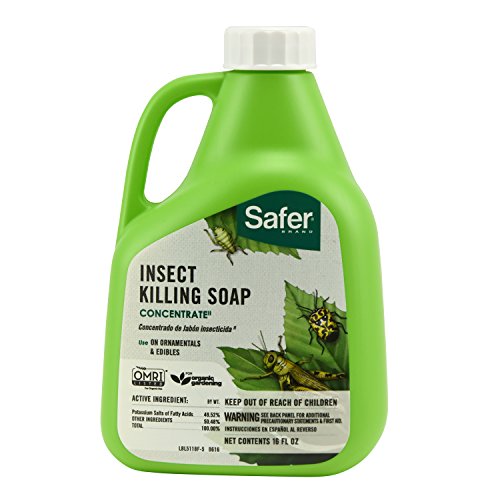
- Insecticidal soap spray for aphids 16 oz bottle
- Water for dilution
- Soft brush or cloth for leaf spot cleaning
- Yellow sticky traps (optional)
- Garden gloves and safety glasses


Before You Start
Inspect plants thoroughly to identify aphid hotspots and the species present. Always test any spray on a small leaf patch 24 hours before broad application to prevent leaf burn, especially on sensitive foliage. Wear protective gear when mixing concentrates or applying pesticides, and avoid spraying during peak sun to minimize leaf damage. Schedule applications in the early morning or late afternoon for best absorption and reduced pollinator exposure. Plan to repeat treatments every 5–7 days as needed until activity declines.
Step-By-Step: How To Get Rid Of Aphids Permanently
- Prepare the spray solution by filling the 2 gallon garden sprayer with water according to product labels, then add neem oil concentrate for aphids 1 gallon in the recommended ratio.
- Add insecticidal soap spray for aphids 16 oz bottle to the mixture, following the label instructions for dilutions designed for soft-bodied insects.
- Agitate the sprayer well to create a uniform emulsion, ensuring the neem oil and soap are evenly mixed with water.
- Apply the spray early in the morning to the undersides of leaves where aphids congregate, coating stems and new growth until surfaces are wet but not dripping.
- Reapply after rain or heavy dew, and repeat every 5–7 days for 2–3 weeks to break the aphid life cycle.
- Watch for honeydew and sooty mold; if present, prune severely infested shoots and dispose of them away from healthy plants.
- Introduce beneficial organisms where appropriate, such as lady beetles or lacewings, and avoid broad-spectrum insecticides that harm them.
- Rotate products in later applications (e.g., switch from soap to oil or vice versa) to reduce the risk of aphid resistance.
- Maintain plant vigor through proper watering, spacing, and fertilization to reduce plant stress that invites aphids.
- Inspect neighboring plants for secondary infestations and treat them to prevent re-infestation of treated plants.
- Document progress with photos to track declines and identify persistent hot spots for targeted treatment.
Troubleshooting
| Symptom | Likely Cause | Fix | Prevention |
|---|---|---|---|
| Leaves curling or yellowing after spraying | Scorch from oil or soap concentrate | Hold sprayer nozzle farther from foliage; use lighter spray | Test patch first; apply during cooler parts of day |
| Aphids return after initial decline | Reinfestation from nearby plants | Inspect and treat adjacent plants | Quarantine new plants before introducing to garden |
| Sooty mold on leaves | Honeydew from aphids | Address aphids; wash leaves gently with water | Encourage natural predators; reduce feeding sources |
| Streaking or residue on foliage | Over-application of spray | Rinse or reduce concentration | Follow label directions precisely |
| Fairly new growth affected | Acidic spray or prolonged exposure | Switch to milder solution and apply sparingly | Apply during cooler times and with good airflow |
Common Mistakes
- Overreliance on a single product; aphids can adapt over time
- Spraying during peak sun, causing leaf burn and reduced uptake
- Neglecting to treat the undersides of leaves where aphids hide
- Disregarding beneficial insects while aiming for immediate eradication
Tips For Best Results
- Water early and often to encourage natural predators and keep plants healthy
- Apply neem oil and insecticidal soap as part of a rotation plan to prevent resistance
- Keep a regular scouting schedule, inspecting plants twice weekly during peak growing seasons
- Combine cultural controls, such as removing heavily infested shoots, with chemical controls for efficiency
- Store concentrates in a cool, dry place and label all mixtures clearly
Call A Professional
Seek professional help if aphid populations are widespread across multiple plant species, signs of plant stress persist after several treatment cycles, or you notice unusual plant symptoms such as mosaic patterns or severe stunting.
Contact a local extension service or licensed arborist if you are unsure about plant sensitivity or if you are treating edible crops and want to ensure food safety and compliance with local regulations.
FAQ
What are the first signs of an aphid infestation?
Clusters on new growth, curled or deformed leaves, and sticky honeydew coating surfaces indicate aphids.
Can I use neem oil every day?
Neem oil should be used according to label directions, typically every 7–14 days, and not during extreme heat.
Are insecticidal soaps safe for vegetables?
Yes, when applied as directed and to the plant surfaces, insecticidal soaps control aphids with minimal risk to most vegetables.
Will beneficial insects control aphids on my plants?
Beneficial insects can help, especially when combined with targeted sprays and proper plant care.
How long does it take to see results?
Visible reduction often appears within a few days, with continued decline over 1–3 weeks depending on conditions.
Should I remove heavily infested shoots?
Yes, pruning infested shoots can reduce aphid populations and limit spread.
Is spraying indoors different from outdoors?
indoors requires gentler applications and careful ventilation to protect indoor plants and inhabitants.
Buying Guide
When choosing products to tackle aphids, consider size, coverage, and compatibility with your plants. For many homeowners, a modular approach works best, using a 2 gallon garden sprayer for precise application and mixing neem oil concentrate for aphids 1 gallon with insecticidal soap spray for aphids 16 oz bottle for fast knockdowns.
Key buying factors include:
- Size and capacity: Ensure the sprayer and concentrates fit your garden or indoor space and allow for multiple applications between refills.
- Spray coverage and nozzle type: Look for wide-angle nozzles and adjustable spray patterns for uniform leaf coverage.
- Product compatibility: Use products that work well together and with your plants; avoid mixing incompatible products.
- Ease of use: Choose lightweight, easy-to-clean systems with clear labeling.
- Safety and environmental impact: Prefer products with low environmental risk and low impact on beneficial insects when used as directed.
- Placement and storage: Store in a cool, dry place away from children and pets; place sprayer where it is readily accessible for regular treatments.
- Noise and energy usage: Consider electric sprayers or manual options based on your tolerance for noise and energy use.
For best results, compare product features side by side, read label directions, and align choices with your garden’s size, plant types, and local climate. If in doubt, start with the basic sprayer and a combination of neem oil concentrate and insecticidal soap, then adjust as you observe aphid activity over time.
Leave a Reply