How to Get Rid of Fizzy Hair
Fizzy, frizzy hair can be persistent, especially in humid climates. With the right routine and a few targeted tools, you can smooth cuticles, seal moisture, and achieve shiny, controllable hair. This guide explains practical steps for American routines, using common drying and styling gear to reduce frizz and improve manageability.
Quick Answer
Focus on adding moisture, sealing the cuticle, and minimizing heat damage. Use a microfiber towel wrap to dry gently, a diffuser attachment for even heat, and a 1 inch ceramic flat iron on a low to medium setting to smooth strands without pulling moisture from the hair.
What You’ll Need
- 1 inch ceramic flat iron anti-frizz
- universal hair dryer diffuser attachment
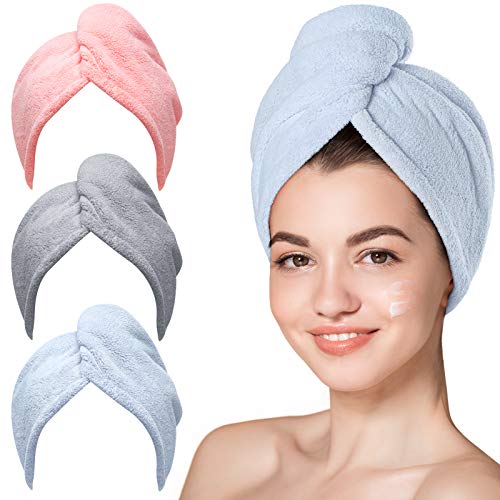
- microfiber hair towel wrap


Before You Start
Assess your hair type, porosity, and current health. If hair is severely damaged or brittle, skip aggressive heat and consult a professional. Plan a routine around gentle washing, deep conditioning, and heat protection. Time estimate for a standard frizz-fighting routine: 20–45 minutes depending on hair length and texture. Important cautions: avoid high heat on color-treated or chemically treated hair; use a heat protectant; never use a flat iron on wet hair.
Step-By-Step: How To Get Rid Of Fizzy Hair
- Start with clean hair. Use a sulfate-free shampoo to avoid stripping natural oils, then apply a hydrating conditioner focusing on mid-lengths and ends.
- Gently blot excess water with the microfiber hair towel wrap. Avoid rubbing, which can cause cuticle damage and frizz.
- Apply a leave-in conditioner or smoothing serum to damp hair, concentrating on the ends and mid-lengths.
- Attach the universal hair dryer diffuser and dry on a low heat setting to dry hair evenly while minimizing frizz-causing turbulence.
- Section hair and use the 1 inch ceramic flat iron to smooth, working in small, downward motions. Keep the iron moving to prevent heat buildup on one area.
- Finish with a lightweight anti-frizz spray or shine serum. Use a small amount and distribute evenly to avoid weighing hair down.
- For humidity control, apply a finishing product that locks in moisture and provides a protective barrier against moisture in the air.
- Touch up any stray hairs with a quick pass of the flat iron, then set the style with a light mist of hair spray if desired.
- Maintain the routine by deep conditioning weekly and adjusting heat settings based on how hair responds over time.
- Seasonal adjustments: in high humidity, prefer moisture-locking serums and avoid heavy oils that can flatten hair.
- When in doubt, alternate between air-drying and gentle heat to prevent over-drying and further frizz.
Troubleshooting
| Symptom | Likely Cause | Fix | Prevention |
|---|---|---|---|
| Hair remains frizzy after styling | Insufficient moisture or sealing | Apply leave-in conditioner, serum, and ensure cuticle is sealed with cool-down | Use humidity-control products; avoid over-washing |
| Flat iron leaves dull lines | Too much product or heat buildup | Clean iron plates; use a small amount of product only | Use heat-protectant and lower iron temperature |
| Hair feels sticky after product application | Excess product or heavy formulas | Remove excess product from hands; use lighter formulations | Choose water-based, lightweight smoothing products |
| Hair frizzes with humidity | High porosity or damaged cuticle | Deep condition, use porosity-friendly products | Limit heat styling and trim damaged ends |
Common Mistakes
- Rubbing hair vigorously with a towel; cause cuticle damage and more frizz
- Overuse of heavy oils or waxes that weigh hair down
- Using high heat on wet hair or without a heat protectant
- Skipping a proper cooling period after styling, which can set frizz
By avoiding these missteps, readers can improve results and maintain healthier hair.
Tips For Best Results
- Choose a microfiber towel wrap to reduce friction compared to cotton towels.
- Apply a heat-protectant product before任何 heat styling to minimize damage.
- Use the diffuser to enhance natural texture while calming flyaways.
- Work in small sections with the flat iron to ensure even heat distribution.
- In humid conditions, finish with a humidity-resistant finishing spray to lock in moisture.
Call A Professional
Consider seeking a professional if hair remains persistently frizzy despite the routine, or if there are signs of scalp irritation, severe breakage, or unexplained shedding. If you plan color treatments or chemical services, consult a stylist about protective practices and product choices.
FAQ
Is a ceramic flat iron better for frizz than a regular flat iron?
Yes, a ceramic plate helps distribute heat more evenly, reducing hot spots that can cause frizz when used with a proper temperature setting.
Can I use the diffuser attachment on all hair types?
Yes, but settings vary by hair type. Start with low heat and diffuse for longer to prevent over-drying.
How often should I deep condition to reduce frizz?
Typically once a week, adjusting to hair feel and climate; more often if hair is porous or damaged.
What ingredients should I look for in anti-frizz products?
Look for silicones like dimethicone for sealing, glycerin for moisture, and lightweight oils that won’t weigh hair down.
Buying Guide
When choosing tools to combat fizz and maintain smooth hair, consider size, noise, energy efficiency, controls, and placement. A balanced approach uses a 1 inch ceramic flat iron for precision, a universal diffuser for even heat distribution, and a microfiber towel wrap to reduce friction during drying. Compare products by heat settings, plate material, and heat protection features. For storage, select compact tools that fit your vanity or drawer, and consider travel-friendly versions for on-the-go touchups. If you have thick or curly hair, look for higher heat ratings and adjustable temperature controls to tailor styling sessions. Finally, read user reviews focused on frizz reduction, durability, and how the tools perform in humid conditions to ensure the best long-term value.
Leave a Reply