How to Get Rid of Dust in House After Construction
Construction dust can settle everywhere, from floors to vents. A careful, systematic cleanup reduces health risks and prevents long-term irritation. This guide outlines practical steps, tools, and best practices tailored for American homes.
Quick Answer
Begin with containment and high-efficiency filtration. Use a HEPA air purifier for construction dust, a HEPA vacuum cleaner for dry debris, and microfiber dust mops to capture particles on hard surfaces. Clean from top to bottom, repeat with targeted tools, and ventilate safely to reduce airborne dust.
What You’ll Need
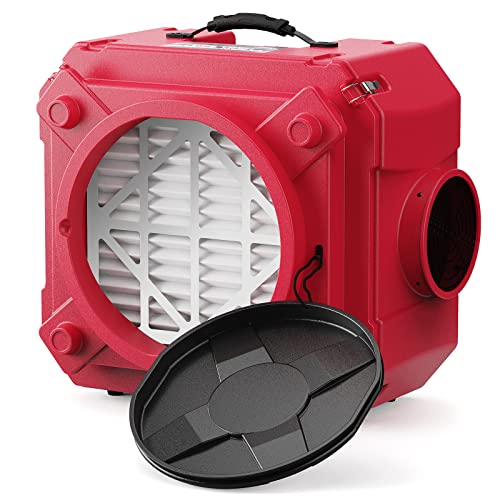
- HEPA air purifier for construction dust home use
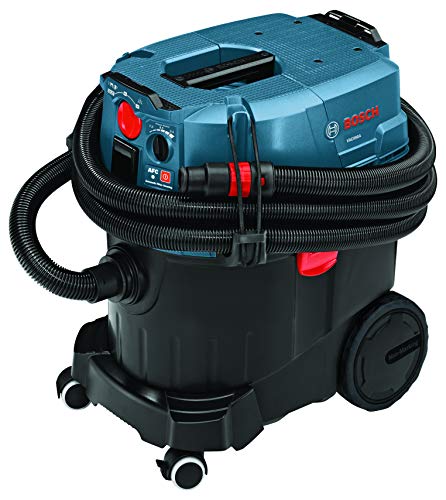
- HEPA vacuum cleaner for construction dust
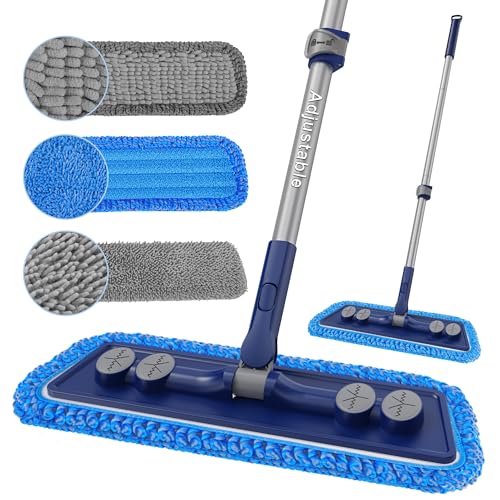
- Microfiber dust mop with washable pads for construction dust
Before You Start
Prepare the space by sealing off doors to adjacent areas and closing HVAC dampers if possible. Wear a mask and eye protection, especially when handling dusty debris. Plan for multiple passes over several hours or days if the dust layer is thick. Safety first: be mindful of stairwells, loose cords, and fragile surfaces. Work from the most contaminated areas outward, and avoid sweeping, which can kick dust back into the air.
Step-By-Step: How To Get Rid Of Dust In House After Construction
- Contain the work area by closing doors and sealing gaps with plastic sheeting to prevent dust from migrating to living spaces.
- Set up a HEPA air purifier near the main dusty zone to capture airborne particles as you clean.
- Use the HEPA vacuum cleaner to pick up dry debris from floors, walls, and window sills. Vacuum in a systematic pattern, overlapping each pass.
- Dust high surfaces first. Wipe ceiling corners, fans, and light fixtures with a microfiber cloth or damp dust cloth to trap particles.
- Clean vertical surfaces next, such as moldings and window frames, using microfiber cloths to avoid kicking up settled dust.
- Move to lower surfaces. Vacuum and wipe baseboards, low furniture, and shelves. Use attachments to reach corners and tight spaces.
- Clean upholstery and fabrics with a vacuum brush attachment or a lint roller if needed to remove embedded dust.
- Wash or wipe down hard floors with a damp microfiber mop or microfiber pads to trap remaining dust without scattering it.
- Repeat the process focusing on air filtration: swap or refresh filters in the purifier and vacuum as needed to maintain suction and filtration.
- Ventilate the space by airing out gradually, avoiding introducing new dust from outdoor sources. Keep windows partly open only if outdoor air is clean.
- Inspect hidden areas such as behind cabinets, inside closets, and HVAC vents for residual dust and repeat cleaning as necessary.
- Document any persistent dust hotspots and plan a follow-up cleaning session to ensure comprehensive removal.
Troubleshooting
| Symptom | Likely Cause | Fix | Prevention |
|---|---|---|---|
| Dust returns hours after cleaning | Air leaks or insufficient filtration | Improve sealing and upgrade filtration | Use portable air purifiers during renovation and cleaning |
| Visible dust on walls after wiping | Dry dust resettling due to air movement | Use damp microfiber cloths or microfiber mops | Turn off ceiling fans during cleaning |
| Dust in HVAC vents | Contaminated ductwork or poor filtration | Inspect ducts and replace filters; consider professional cleaning | Seal off vents during cleanup when possible |
| PM2.5 readings high after cleanup | Airborne particles persist | Increase run time of HEPA purifier; add more units | Finish cleanup in stages to allow filtration to catch up |
Common Mistakes
- Sweeping debris instead of vacuuming, which raises dust into the air
- Using regular vacuums with non-HEPA filters on fine construction dust
- Ignoring high surfaces and behind furniture during cleaning
- Overloading cleaning tools, reducing suction and effectiveness
Sticking to a top-down approach and using appropriate filtration minimizes recontamination and speeds up the cleanup process.
Tips For Best Results
- Run a HEPA air purifier continuously during and after cleanup to capture fine particles
- Dust with a damp microfiber cloth rather than dry cloths to trap particles
- Clean in daily short sessions to prevent fatigue and track progress
- Keep a dedicated set of tools for dusty cleanup to avoid cross-contamination
- Vacuum slowly with deliberate passes; longer, steady strokes improve pickup
Call A Professional
Consider contacting a pro if dust infiltration is heavy, if you notice dust in HVAC ducts, or if surfaces show persistent fine particulate deposition. Stop cleaning and seek expert help when:
- There is persistent coughing or eye irritation among occupants
- The dust seems to originate from hidden spaces or ducts
- Structural debris or compromised materials are present that require remediation
FAQ
What is the best way to remove construction dust from floors?
Use a HEPA vacuum cleaner designed for construction dust and finish with a damp microfiber mop to trap remaining particles.
Can HEPA air purifiers remove dust after construction?
Yes. HEPA air purifiers capture fine dust particles and help improve indoor air quality during cleanup.
Should I seal doors to other rooms during cleanup?
Yes. Sealing doors helps contain dust to the work area and reduces the spread to living spaces.
How long does it take to clean up after a small renovation?
It varies, but plan for multiple cleaning sessions over 1–3 days depending on dust levels and room size.
Buying Guide
Choosing the right tools for post-construction cleanup depends on room size, dust density, and household needs. The right combination can dramatically reduce cleanup time and improve air quality.
Size and Room Coverage
Match the capacity of your HEPA vacuum and air purifier to room size. Larger rooms may benefit from higher-capacity vacuums and multiple purifiers placed strategically.
Noise Level
Look for equipment with adjustable settings or low-noise modes. Prolonged cleaning is more comfortable with quieter operation, especially in living areas.
Energy Efficiency
Energy-efficient models save power during extended cleanup sessions. Check ENERGY STAR ratings where available and consider smart plugs for scheduling.
Controls and Filtration
Choose units with straightforward controls and true HEPA filtration. Remember to check replacement filter availability and cost over time.
Placement and Mobility
Opt for compact, lightweight units with wheels or easy carry handles. Plan purifier placement to optimize airflow and dust capture in main work zones.
Multi-Tool Synergy
Having compatible tools—such as a HEPA vacuum, HEPA air purifier, and microfiber mops—allow coordinated, efficient cleanup with fewer interruptions.
Maintenance and Replacement
Check filter lifespans and cleaning ease. Reusable microfiber pads and washable filters reduce ongoing costs and waste.
Special Considerations
If sensitive occupants (children, elderly, or allergy sufferers) are present, prioritize filtration efficiency and continuous air-cleaning during and after construction work.
Leave a Reply