How to Clean a Loofah Without Bleach
Loofahs are common bathroom accessories that help exfoliate skin, but they can harbor bacteria and mold if not cleaned regularly. Cleaning a loofah without bleach is a practical goal for households seeking gentler, chemical-free maintenance. This guide explains safe, effective methods using common tools and devices available in American homes.
Below you’ll find a concise, step-by-step approach, including quick methods, safety notes, and troubleshooting. The goal is to extend the life of your loofah while keeping it hygienic and ready for daily use.
Quick Answer
Two fast options work well: (1) microwave or steam sterilization for quick, on-demand refresh, and (2) UV sterilization for ongoing sanitization. Always ensure the loofah is damp and free of metal components before applying heat, and never microwave a loofah that shows signs of wear or damage.
What You’ll Need
- UV sterilizer box for small items loofah
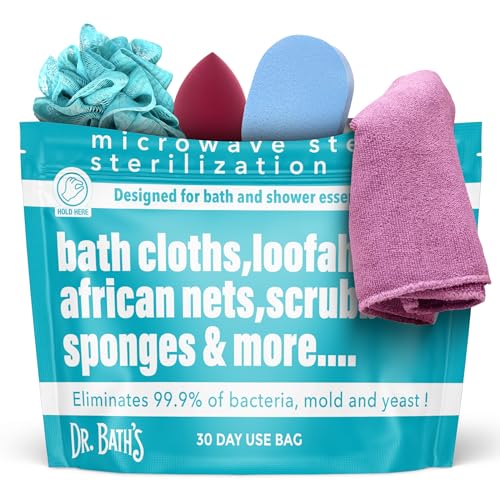
- microwave loofah sterilizer safe container
- steam cleaner for sponges and loofahs
- clean water and mild soap
- air-drying rack or clean towel


Before You Start
Prepare a clean, dry storage area for the loofah after treatment. Safety notes: avoid overheating and do not use harsh chemicals when cleaning a loofah. If the loofah shows mold, tears, or an unusually strong odor, replace it rather than attempting extended restoration. Time estimates for standard cleaning range from 5 to 15 minutes per session, depending on the method chosen.
Step-By-Step: How To Clean A Loofah Without Bleach
- Rinse the loofah under warm running water to remove soap, dead skin cells, and debris.
- Choose a cleaning method: (a) microwave, (b) steam, or (c) UV sanitization, based on what you have handy.
- For microwave sterilization: place a damp loofah in the microwave loofah sterilizer safe container or directly on a microwave-safe plate with a microwave-safe cover. Heat on high for 1–2 minutes, then allow to cool completely before handling.
- For steam cleaning: position the loofah in a steam cleaner designed for sponges and loofahs. Run a full steam cycle, allowing the loofah to dry completely after sterilization.
- For UV sterilization: insert the damp loofah into the UV sterilizer box for small items loofah and run the recommended cycle as instructed by the device’s manual.
- Wash the loofah again with mild soap and warm water, if desired, to remove any loosened residue from the cleaning cycle.
- Rinse thoroughly and squeeze out excess water without twisting too hard to avoid fabric damage.
- Air-dry the loofah in a well-ventilated area away from direct sunlight to prevent fiber degradation, usually 6–12 hours depending on humidity.
- Check for signs of wear in the following week; replace the loofah at the first signs of mold, odor, or thinning fibers.
- Record a regular cleaning schedule in a bathroom routine to ensure consistent hygiene without reliance on harsh chemicals.
- Store the loofah in a dry, ventilated spot to minimize moisture buildup between uses.
Troubleshooting
| Symptom | Likely Cause | Fix | Prevention |
|---|---|---|---|
| Persistent odor after cleaning | Residual moisture or trapped bacteria | Re-clean using steam or UV method, ensure thorough drying | Pat dry after use, replace every 1–3 months |
| Fibers feel stiffer after drying | Overheating or improper drying | Dry at room temperature away from heat sources | Avoid high heat and direct sun |
| Visible mold growth | Prolonged moisture exposure | Discard and replace; clean area and allow complete drying | Keep loofah dry between uses |
| Damage to loofah after cleaning | Excessive mechanical force or harsh method | Use gentler cycles and mild soap | Choose gentle cleaning methods |
Common Mistakes
- Using hot water that’s too hot, which can degrade fibers
- Overheating in microwaves, leading to burns or fire risk
- Not drying completely, inviting mildew and odor
- Reusing a heavily worn loofah instead of replacing it
Tips For Best Results
- Rotate between multiple loofahs to allow each to dry fully between uses
- Label devices if multiple family members share them to prevent cross-contamination
- Combine cleaning methods occasionally, e.g., wash with soap then run through UV sterilization
- Choose a loofah size and material compatible with your cleaning devices to avoid damage
Call A Professional
Consider reaching out to a professional cleaning consultant if a loofah or its storage area shows ongoing mold issues that do not respond to standard cleaning. Stop using devices or methods that cause fibers to degrade or pose safety risks, such as overheating in sealed containers. If you experience skin irritation after using a loofah, discontinue use and consult a dermatologist.
FAQ
Can I use bleach on a loofah?
No. Bleach can degrade fibers and remain on the surface, posing skin irritation risks. The methods in this guide provide effective sanitation without harsh chemicals.
How often should I clean my loofah?
Clean and dry after each use, and perform a thorough sanitation weekly or biweekly using your preferred method to maintain hygiene.
Is it safe to microwave a loofah?
Yes, when done with a damp loofah placed in a microwave-safe container and heated for a short duration. Do not overheat or use damaged loofahs.
What signs indicate I should replace my loofah?
Replace if there is visible mold, persistent odor, thinning fibers, or if the loofah has become excessively stiff or frayed.
Can I wash a loofah with soap and then use a steam cleaner?
Yes. A light soapy wash followed by steam sanitation can enhance cleanliness.
Are UV sterilizers safe for loofahs?
Most are if used according to manufacturer instructions and when the loofah is damp, not soaked, and free of metal components.
What’s the best storage for a clean loofah?
Store in a dry, ventilated area away from moisture and direct sunlight to prevent microbial growth.
Buying Guide
Choosing the right cleaning setup for loofahs involves several factors. Consider size, compatibility with your loofahs (manual size and material), and whether you prefer rapid methods like UV or heat-based options. Noise level matters if devices run in a bathroom close to living spaces. Look for energy-efficient models and simple controls that fit your routine. Placement should allow for thorough air drying—think open shelves or ventilated cabinets. Compare features across UV sterilizers, microwave-safe sterilizer containers, and steam cleaners designed for sponges and loofahs. A balanced approach combines ease of use, safety, and regular maintenance to keep loofahs hygienic without excessive effort.
Leave a Reply