How to Get Rid of Dust in a Bedroom
Dust in a bedroom can affect air quality, trigger allergies, and make the space feel less clean. This guide walks through practical, step-by-step methods to reduce dust accumulation and keep a bedroom fresh. It emphasizes simple routines, effective tools, and how to integrate air quality improvements into daily life.
Quick Answer
Identify primary dust sources, improve air filtration, and establish a regular cleaning rhythm. Use a dedicated HEPA air purifier for bedroom 200 sq ft, rely on a HEPA vacuum cleaner for dust removal bedroom handheld for surfaces, and incorporate an extendable microfiber duster for ceiling fans and hard-to-reach spots. Combined, these actions yield noticeable dust reduction in a few weeks.
What You’ll Need
- HEPA air purifier for bedroom 200 sq ft
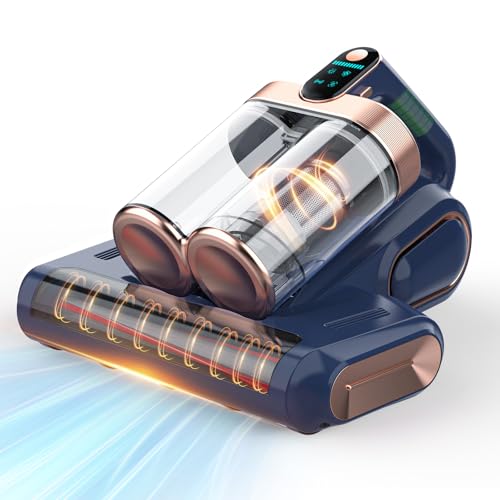
- HEPA vacuum cleaner for dust removal bedroom handheld
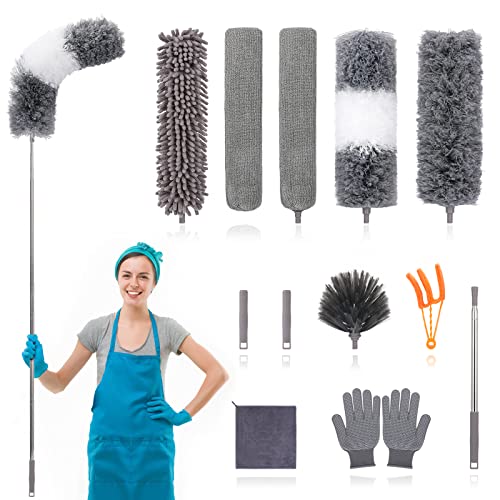
- extendable microfiber duster for ceiling fans and dusting

Before You Start
Prepare the room by clearing surfaces and removing clutter that can trap dust. Close doors to minimize dust influx during cleaning. Run the air purifier on a high setting during initial purification cycles, then taper to a maintenance level. Protect lungs and skin by wearing a lightweight mask and wiping hands after handling dusty items. Estimate cleaning time: 30–60 minutes for a typical bedroom, plus 10–20 minutes daily for upkeep.
Step-By-Step: How To Get Rid Of Dust In A Bedroom
- Position a HEPA air purifier in the bedroom, ideally near the bed or central area, and run it on high for 2–4 hours to begin reducing airborne dust.
- Vacuum carpets and rugs with the HEPA vacuum cleaner for dust removal bedroom handheld, moving slowly in straight passes for thorough suction.
- Dust all hard surfaces with a microfiber cloth or duster, beginning with higher shelves and returning to lower surfaces to prevent re-dusting.
- Use the extendable microfiber duster for ceiling fans, blinds, and light fixtures to remove dust that often settles in overhead areas.
- Wash or replace pillowcases and bedding weekly to reduce dust mites and skin dander that contribute to visible dust on surfaces.
- Dry-wipe electronics and screens with a microfiber cloth, avoiding moisture that could damage internal components.
- Vacuum floors again after dusting to capture any settled particles and prevent re-circulation.
- Seal gaps around windows and doors where dust enters; weather-stripping can help reduce dust intrusion from outside.
- Maintain a dust-free routine by wiping surfaces nightly and running the air purifier during sleeping hours if possible.
- Implement a weekly cleaning cadence that combines vacuuming, dusting, and laundering textiles for consistent results.
- Consider adding an air-cleaning routine that includes changing purifier filters on schedule and monitoring air quality indicators.
- Reassess room layout periodically to minimize dust traps and optimize airflow, especially around beds and desks.
Troubleshooting
| Symptom | Likely Cause | Fix | Prevention |
|---|---|---|---|
| Dust returns quickly after cleaning | Poor filtration or fresh dust entering from outdoors | Run HEPA purifier longer; seal gaps; keep windows closed during cleaning | Regular filtration and weather-stripping checks |
| Visible dust on surfaces after dusting | Dusting before vacuuming; cloth re-deposits dust | Dust high-to-low; vacuum last | Use microfiber cloths and change cloths frequently |
| Allergy symptoms persist | Dust mites, pollen, or pet dander | Wash bedding weekly; vacuum with HEPA; use air purifier | Keep pets out of bedroom; clean bedding routinely |
| Unpleasant odors with dusting | Accumulated dust and synthetic cleaners | Ventilate room; wipe with damp microfiber cloth | Avoid harsh cleaners indoors |
Common Mistakes
- Using a regular vacuum without a HEPA filter can recirculate dust.
- Dusting too quickly or without a plan leads to re-deposited dust.
- Neglecting textiles like curtains and bedding, which harbor dust.
- Over-wetting surfaces when cleaning electronics or wood furniture.
Tips For Best Results
- Run the air purifier continuously in a bedroom with frequent dust issues to maintain cleaner air.
- Dust from top to bottom to prevent re-contaminating lower surfaces.
- Wash curtains, bedding, and pillow covers weekly during dusty seasons.
- Choose washable or microfiber cleaning tools to reduce particle shedding.
- Keep a regular schedule, as consistency yields the best long-term results.
Call A Professional
Consider consulting a professional if you notice persistent mold-like odors, persistent wheezing despite cleaning, or if you plan a major HVAC upgrade. Seek immediate help if there are signs of water damage or visible mold growth, or if you have severe allergies that do not respond to routine cleaning.
FAQ
Can an air purifier alone fix dust in a bedroom?
Air purifiers help reduce airborne dust but work best in combination with regular cleaning and proper filtration throughout the room.
How often should I vacuum a bedroom with heavy dust?
Aim for at least two to three times per week, depending on dust levels and household activity.
Are ceiling fans a dust problem?
Ceiling fans collect dust quickly; it is effective to dust them weekly and turn off fans during cleaning to prevent dust from dispersing.
What’s the best way to clean electronics without damage?
Use a dry microfiber cloth or a cloth slightly dampened with water; avoid harsh cleaners and excess moisture.
Buying Guide
When choosing gear to reduce bedroom dust, consider size, noise, energy efficiency, controls, and placement. A HEPA air purifier for bedroom 200 sq ft should be sized for the room and positioned to optimize air flow without blocking pathways. Look for quiet modes suitable for overnight use, and check filter replacement costs and intervals to maintain efficiency. A HEPA vacuum cleaner for dust removal bedroom handheld is useful for spot-cleaning and upholstery, especially in tight spaces. An extendable microfiber duster for ceiling fans and dusting helps reach high shelves and fixtures without climbing. Evaluate how these tools fit your daily routine and whether you prefer corded or cordless cleaning for flexibility.
Key factors to compare include:
- Size and coverage: Ensure the purifier covers the room size (around 200 sq ft or more).
- Noise level: Quiet operation matters for bedrooms, especially at night.
- Energy efficiency: Look for ENERGY STAR-rated devices to save on electricity.
- Controls: Easy-to-use settings, timers, and filter indicators help maintain usage.
- Placement: Size and weight affect where you can place devices without obstructing movement.
Additionally, consider the maintenance aspects such as filter replacements and cleaning frequency. A practical setup often combines all three tools to address different dust sources: airborne particles, settled dust on surfaces, and hard-to-reach spots. If the bedroom doubles as a workspace or is near outdoor dust sources, more frequent cleaning and stronger filtration may be warranted. Would you like help tailoring a personalized setup based on your room size and routine?
Leave a Reply