How to Clean a Carpet Pad Without Removing the Carpet
Cleaning a carpet pad without lifting the carpet is a practical task for homeowners who want to refresh a space quickly. With the right tools and a careful approach, you can target the pad directly, remove embedded dirt, and extend the life of both the pad and the carpet above it. This guide explains a safe, effective method that minimizes disruption and avoids damaging the flooring or underlayment.
Quick Answer
Use a combination of suction, steam or hot water extraction, and targeted wand cleaning to lift stains and moisture from the pad while protecting the carpet fibers above. Start with a upright steam carpet cleaner with dual tanks and wide cleaning path for thorough cleaning, then finish with a portable handheld carpet extractor with nozzle kit for under-rug cleaning to tackle hard-to-reach areas. A low-profile carpet cleaning wand for under-rug pad cleaning helps access tight spaces without removing the carpet.
A What You’ll Need
Gather tools that are well-suited for cleaning the pad beneath the carpet. The goal is to apply cleaning solutions and extract moisture without disturbing the carpet’s seam or backing.
- Upright steam carpet cleaner with dual tanks and wide cleaning path
- Portable handheld carpet extractor with nozzle kit for under-rug cleaning
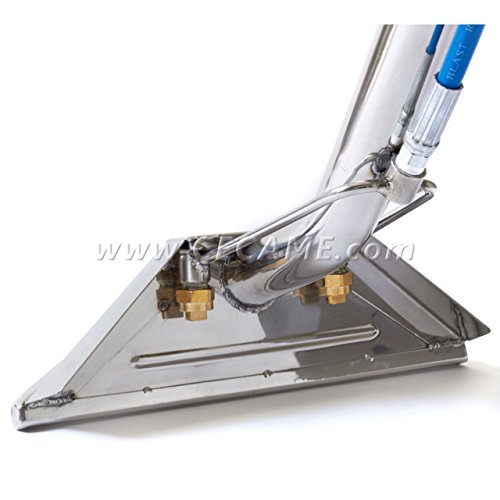
- Low-profile carpet cleaning wand for under-rug pad cleaning
- Odor-neutralizing or enzyme-based cleaner suitable for carpets
- Microfiber cloths or towels for blotting
- Big-box shop or hardware store vented or breathable plastic spacers (optional, to create a tiny air gap under the rug)


Before You Start
Before beginning, note that moisture can damage some subfloors or cause mold if not managed properly. Check the carpet backing and padding type to ensure compatibility with steam and extractor fluids. Test a small, inconspicuous area first and allow to dry completely before proceeding across the room. Never saturate the padding excessively, especially on wood or plywood subfloors, as this can lead to warping or mold growth. Allow extra drying time in high-humidity climates.
Step-By-Step: How To Clean The Pad Under The Carpet
- Move furniture away from the cleaning area and lift a corner of the carpet to expose the pad. Do not detach the carpet entirely unless necessary for safety or to inspect moisture levels.
- Gently vacuum the exposed pad using the upright cleaner’s attachment or wand to remove surface debris and loose dust.
- Apply a targeted cleaning solution to the pad only, avoiding excessive saturation near the carpet backing. Use the low-profile carpet cleaning wand to direct liquid precisely where the pad shows discoloration or odor.
- Operate the upright steam carpet cleaner with dual tanks to apply hot water and cleaning solution, moving slowly along the exposed pad area. Use the wide cleaning path to cover larger sections and prevent pooling.
- Switch to the portable handheld carpet extractor for under-rug zones and tight spots. Attach the nozzle kit and suction away contaminated moisture from seams and edges where the pad meets the baseboard.
- Blot excess moisture with microfiber cloths. Press gently to wick dampness toward the surface and speed up drying times.
- Return the carpet edge to its original position once the pad area has been treated. Do a quick pass with the upright cleaner to even out any damp patches under the rug.
- Open windows or use a fan to improve air circulation. Monitor for slow drying and recheck for dampness in 2–4 hours, then re-treat any persistent stains or odors as needed.
- Inspect the pad and carpet for any new stains or moisture pockets. If necessary, repeat the targeted cleaning steps on affected zones, maintaining minimal saturation to protect the subfloor.
- Finish with a light, dry vacuum across the carpet surface to reset pile height and remove remaining moisture from the rug backing.
- Return furniture and re-establish the room layout after the pad is fully dry. Consider placing plastic mats under heavy furniture to minimize future indentations.
Troubleshooting
| Symptom | Likely Cause | Fix | Prevention |
|---|---|---|---|
| Pad remains damp after cleaning | High moisture content or slow drying | Increase airflow, use dehumidifier, re-treat in smaller sections | Limit solution volume; dry within typical room time |
| Carpet backing shows ripples or buckling | Excessive moisture near edge | Careful blotting and extend drying period | Avoid over-wetting; ensure padding has adequate ventilation |
| Persistent odor after cleaning | Organic buildup in pad | Apply enzymatic deodorizer to pad after testing | Regular maintenance and quicker cleanup of spills |
| Streaks or lighter patches on pad | Uneven cleaning solution distribution | Respray in small sections and re-extract | Use wand to evenly cover area and avoid over-wetting |
Common Mistakes To Avoid
- Skipping a test patch on a hidden area of the pad or carpet
- Using too much liquid near seams or edges
- Over-saturating the pad, which can cause mold or mildew
- Failing to ventilate the room, prolonging drying time
- Trying to clean the pad with a tool that lacks proper suction, leaving residue
Tips For Best Results
- Work in small zones to maintain control over moisture and pressure
- Use the dual-tank feature to separate clean water from dirty water, keeping the cleaning solution effective
- Test all cleaners on a hidden pad area to prevent color transfer or damage
- Keep the carpet edges taut to minimize gaps that trap moisture
- Schedule cleaning after heavy traffic times to allow quicker drying
Call A Professional
Consider professional help if any of the following apply: floorboards show visible warping, the pad feels extremely soft or waterlogged, persistent odor remains after repeated cleaning, or there is visible mold growth under the carpet. For large rooms or flood-damaged areas, a professional assessment can prevent further damage and ensure proper remediation.
FAQ
Is it safe to use steam on the carpet pad?
Yes, when applied carefully and in controlled amounts, steam can loosen dirt from the pad without harming most carpet backings. Always test first and avoid soaking the pad.
How long does it take for the pad to dry after cleaning?
Drying time varies with room conditions, but typically 4–12 hours. Improve airflow and use a dehumidifier if humidity is high.
Can I clean the pad with a regular household vacuum?
Vacuuming helps remove loose debris, but a steam cleaner and extractor provide deeper cleaning and moisture removal for pad areas.
What if the carpet backings are damaged?
Stop cleaning those areas and consult a flooring professional to assess options and prevent further damage.
Should I clean under the rug periodically?
Yes. Periodic under-rug cleaning helps prevent odor buildup, extends pad life, and maintains overall carpet performance.
How do I know if the pad needs replacement?
Signs include persistent odors, visible mold, or significant loss of cushion and support after cleaning attempts.
Buying Guide
When selecting tools to clean a carpet pad without removing the carpet, consider size, noise level, energy efficiency, controls, and placement. A compact portable handheld carpet extractor with nozzle kit for under-rug cleaning complements an upright unit with dual tanks by tackling tight spaces. Look for low-profile wands that reach under furniture and under-rug areas. Choose cleaners that offer variable suction and heat settings for different pad materials. If noise is a concern, opt for models with sound-dampening features. For frequent cleaning, prioritize energy-efficient machines with durable parts and easy-maintenance design. Finally, ensure the equipment format aligns with room layout—larger spaces benefit from an upright steam carpet cleaner with dual tanks and wide cleaning path, while tight, under-rug zones benefit from a low-profile carpet cleaning wand for under-rug pad cleaning.
Leave a Reply