Effective Ways to Deter Crows From Tall Trees in Your Yard
Crows in tall trees can be persistent, vocal, and clever, especially if those trees overlook lawns, gardens, or garbage areas. This guide provides practical, humane methods tailored for American yards to reduce crow activity without harming wildlife. By combining physical barriers, deterrents, and smart maintenance, homeowners can minimize crow presence over time.
Most strategies work best when multiple methods are used together. Start with low-cost, noninvasive options and escalate to integrated deterrents as needed. Safety for people and pets, as well as compliance with local wildlife regulations, should guide every choice.
Quick Answer
Use a layered approach: install bird spikes for trees crow deterrent outdoor aluminum adjustable on roosting branches, deploy a solar ultrasonic bird repeller crow deterrent for trees to create noise and movement deterrents, and cover high-risk areas with tree netting 1 inch mesh to exclude birds crow prevention. Regularly remove accessible food sources and trim perches to disrupt crow routines.
What You’ll Need
- Bird spikes for trees crow deterrent outdoor aluminum adjustable
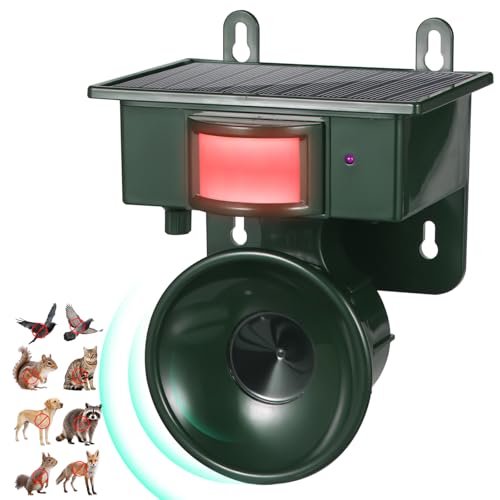
- Solar ultrasonic bird repeller crow deterrent for trees
- Tree netting 1 inch mesh to exclude birds crow prevention
- Golf tees or zip ties (optional for quick fixes)
- Heavy-duty pruning tools
- Non-toxic, kid- and pet-safe repellents (spray-on options)
- Trash lids and secure compost bins
- Motion-activated lights or reflective ground stakes (optional)


Before You Start
Assess the yard layout to identify roosting hotspots in tall trees and nearby open spaces. Measure branch diameters to choose appropriately sized bird spikes. Safety first: wear protective gloves and eye protection when installing deterrents at height. Clear the area below work zones to prevent injuries from falling tools or debris. Plan for ongoing maintenance, as weather and seasonal changes can affect effectiveness. Time estimates vary by yard size, but a phased approach over a weekend yields noticeable results.
Step-By-Step: How To Get Rid Of Crows In Tall Trees
- Survey the trees to locate primary crow roosting branches and surrounding feeding sources.
- Attach bird spikes for trees crow deterrent outdoor aluminum adjustable along roosting perches, ensuring spikes are spaced to deter landing while not harming other wildlife.
- Install the solar ultrasonic bird repeller crow deterrent for trees in a sunny, elevated spot with a clear line of sight to the roosting area.
- Secure tree netting 1 inch mesh to exclude birds crow prevention over the most problematic limbs or crown sections, taking care not to constrict tree growth or injure branches.
- Position reflective or motion-based deterrents, such as reflective tape, smart lights, or a motion-activated sprinkler if safety allows, to surprise and deter birds without harm.
- Improve sanitation by sealing trash bins, removing animal feed, and pruning fruiting branches that attract crow activity.
- Monitor the area daily for several weeks, adjusting placements and removing deterring devices when crow activity declines.
- Rotate deterrents periodically to prevent crows from becoming habituated to a single tactic.
- Maintain equipment: replace worn spikes, recharge solar devices, and repair mesh promptly after weather events.
- Evaluate effectiveness at the end of each season and refine the plan for the following year.
- Consider integrating a neighborhood-wide approach if crows are active across yards or public spaces.
- If crow presence persists in a way that affects safety or property damage, escalate deterrents or consult a licensed wildlife professional for humane options.
Troubleshooting
| Symptom | Likely Cause | Fix | Prevention |
|---|---|---|---|
| Crows return after deterrents are installed | Habituation to a single method | Rotate devices and vary deterrent placement | Use a combination of barriers and deterrents |
| Deterrents appear ineffective in winter | Limited sun for solar devices; weather reduces activity | Switch to battery backup options or plug-in devices where permissible | Regular seasonal adjustments before peak crow activity |
| Netting blocks tree growth or interferes with leaves | Mesh placed too tightly or incorrectly | Loosen tension and vent mesh to prevent constriction | Install only on problem sections with careful sizing |
| Spikes damaged by wind or falling branches | Improper installation or unsuitable branches | Re-anchor using extra fasteners; avoid thin brittle limbs | Conduct seasonal inspections and re-secure as needed |
Common Mistakes
- Overreliance on a single deterrent without physical barriers
- Irregular maintenance leading to nonfunctional devices
- Blocking tree growth with netting or heavy barriers
- Neglecting sanitation, which keeps attracting crows
Tips For Best Results
- Place deterrents high in the canopy where crows prefer to roost, but ensure safe access for installation.
- Combine daytime deterrents with nighttime strategies, as crows are active across the 24-hour cycle.
- Keep devices clean and free from dust or bird droppings to maintain effectiveness.
- Document crow activity with photos to track changes after implementing deterrents.
- Coordinate with neighbors if several yards share the same crow roosts to avoid simply shifting the problem.
Call A Professional
Consider contacting a wildlife control specialist if:
- There is significant property damage or safety concerns from crow activity
- All deterrent methods have been exhausted without lasting results
- Anyone in the household has respiratory issues worsened by bird droppings
FAQ
Do bird spikes harm crows or other birds?
No. Properly installed spikes deter roosting on treated surfaces without injuring birds.
Will solar ultrasonic devices worry pets?
Most devices are designed to minimize risk to pets, but always review product specifications and monitor initial use around animals.
How long does it take to see results?
Results vary by yard, but noticeable reductions often occur within a few weeks to a couple of months with consistent use.
Can netting affect tree health?
When properly sized and installed, netting should not harm trees. Avoid constricting growth and ensure nets are not taut against branches.
Buying Guide
Choosing the right combination of deterrents involves size, placement, and maintenance. Consider how tall the trees are and where crow roosts concentrate. For most households, starting with bird spikes for trees crow deterrent outdoor aluminum adjustable on the main perches offers a visible barrier. Pair this with solar ultrasonic bird repeller crow deterrent for trees to create an audible/motion cue that discourages landing. If crows frequently access a limited canopy area, tree netting 1 inch mesh to exclude birds crow prevention can provide a physical barrier without harming the tree. Energy efficiency matters for solar devices, so ensure devices receive adequate sun exposure. Check device range and adjust placement to maximize coverage. Consider the noise level, maintenance needs, and potential impact on neighbors when selecting deterrents. Finally, assess whether a broader neighborhood approach could reduce cross-yard crow activity and prevent shifting problems. Are you ready to test a layered strategy and monitor results over the seasons?
Leave a Reply