How to Clean Sheer Shades
Sheer shades add soft, diffuse light to a room while providing privacy. Proper cleaning helps preserve their delicate fabric and prevents buildup that can dull their appearance. This guide covers safe, efficient methods tailored for sheer window shades commonly found in American homes.
Routine maintenance is essential. With the right tools and a gentle approach, you can keep your sheer shades looking fresh without damaging the fabric or altering their color.
Quick Answer
Light dusting with a soft, long-handled tool is ideal for regular upkeep. For deeper cleaning, use a microfiber brush or an extendable duster to reach between slats, followed by a gentle vacuum attachment on the lowest setting to lift settled dust without snagging fabric.
What You’ll Need
- Microfiber blind cleaning brush for sheer window shades
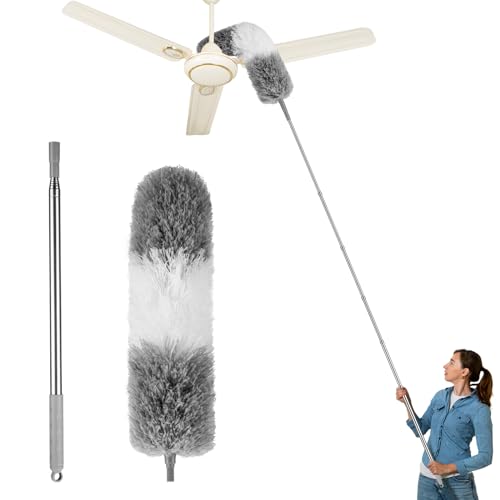
- Extendable window blind duster wand with soft bristles
- Vacuum cleaner attachment slim nozzle for blinds dusting
- Optional: clean microfiber cloths, mild soap, and water for spot cleaning


Before You Start
Work in a well-lit area and close the blinds to prevent dust from settling on nearby surfaces. If possible, lay a soft cloth or sheet under the window to catch any dust that falls. Test cleaning on a small, inconspicuous area first to ensure no discoloration. Avoid soaking the fabric and never use harsh chemicals or abrasive tools on sheer shades.
Estimated prep time: 5–10 minutes per window. Cleaning time varies with shade length and dust buildup, but most sessions are quick for routine maintenance.
Step-By-Step: How To Clean Sheer Shades
- Close the shades completely to expose the fabric edges evenly.
- Lightly dust with the extendable wand, using long, even strokes to lift surface dust.
- For stubborn dust in folds, employ the slim vacuum nozzle on a low setting, keeping the nozzle a small distance from the fabric.
- Switch to the microfiber blind cleaning brush for sheer window shades and gently comb through slats to dislodge trapped debris.
- Work from the top down in sections, keeping a steady pace to avoid re-depositing dust.
- For spot cleaning, mix a tiny amount of mild soap with water on a microfiber cloth and dab gently, then pat dry with a clean cloth.
- Return to a mid-range open position to check for remaining dust, repeating as needed.
- Close the shades and run the wand along the face edge to collect loose particles that may have shifted.
- Finish with a light pass using the vacuum attachment to pick up any lingering dust around the edges.
- Inspect for uniform cleanliness; repeat steps selectively if certain areas remain dusty.
- Store tools within reach for quick future cleanups and prevent buildup between seasons.
Troubleshooting
| Symptom | Likely Cause | Fix | Prevention |
|---|---|---|---|
| Dust returns quickly | Inadequate initial cleaning | Repeat with a light, thorough approach using the microfiber brush | Clean on a regular schedule |
| Fabric snagging | Rough tools or excessive force | Switch to softer bristles and gentle strokes | Avoid pressing hard against fabric |
| Discoloration after cleaning | Use of harsh cleaners | Rinse with plain water and blot; discontinue soap | Stick with mild solutions |
| Water spots after spot cleaning | Excess moisture | Pat dry with a clean cloth and air dry | Use minimal moisture |
Common Mistakes
- Using high-pressure or wet cleaning on sheer fabrics
- Directly spraying cleaners onto the shade
- Skipping the top-to-bottom cleaning sequence
- Neglecting to test cleaners on a hidden area
Sticking to gentle methods helps extend the life of delicate sheer shades and maintain their soft appearance.
Tips For Best Results
- Schedule brief cleaning sessions monthly to prevent heavy buildup.
- Use an extendable wand to avoid leaning on or pulling the shade while cleaning.
- Keep tools clean and free of lint to prevent transfer onto the fabric.
- Rotate cleaning between seasons to maintain even appearance across all shades.
- Consider a dedicated storage solution for cleaning tools to reduce clutter.
Call A Professional
Contact a professional if there are persistent stains, fabric damage, or color fading that DIY methods can’t address. Seek help if the shades have become misaligned, the cords show wear, or if cleaning requires removing the shade from the window. Signs of potential safety issues, such as frayed cords or loosened hardware, warrant immediate professional evaluation.
FAQ
How often should I clean sheer shades?
Light weekly dusting plus a deeper clean every few months keeps them looking bright and reduces buildup.
Can I use water to clean sheer shades?
Yes, with a small amount of mild soap or plain water for spot cleaning, followed by thorough blotting and drying.
What tools are best for reaching the folds?
An extendable wand with soft bristles or a microfiber blind cleaning brush works well for folds and slats.
Is it safe to machine wash sheer roller shades?
Most sheer shades are not machine washable; consult manufacturer care instructions and opt for hand cleaning or professional cleaning if needed.
Buying Guide
When selecting tools and methods for cleaning sheer shades, consider size, compatibility with fabric, and ease of use. Key factors include:
- <bSize and reach – Choose an extendable wand or brush long enough to reach your windows without stretching or climbing.
- <bNoise level – Look for quiet cleaning tools that won’t disturb occupants, especially in bedrooms or home offices.
- <bEnergy efficiency – Manual tools require no power; they are efficient for regular maintenance and low-cost care.
- <bControls and weight – Lightweight tools with ergonomic grips reduce fatigue and improve precision.
- <bPlacement considerations – For clusters of shades, a single, modular cleaning tool setup saves time and space.
For a practical, safer clean, pair the microfiber blind cleaning brush for sheer window shades with an extendable window blind duster wand with soft bristles, and use the vacuum cleaner attachment slim nozzle for blinds dusting for final touch-ups. These tools cover most household configurations and help maintain the soft, diffuse light that sheer shades provide.
Leave a Reply