How to Get Rid of Cow Licks on Hair
Cowlicks are a common styling challenge that can affect men and women alike. With the right tools and technique, you can smooth stubborn cowlicks and achieve a more polished hairstyle. This guide explains practical steps, safe practices, and product suggestions tailored for American households.
Quick Answer
Best immediate approach: Use a vented thermal brush or boar bristle brush to direct hair while applying light heat styling, then set with a cool blast. For resistant knots and detangling, pair a detangling paddle brush with careful sectioning. Consistency, not force, yields the smoothest cowlick-free look.
What You’ll Need
- Boar bristle round brush for blow-drying hair cowlicks medium size
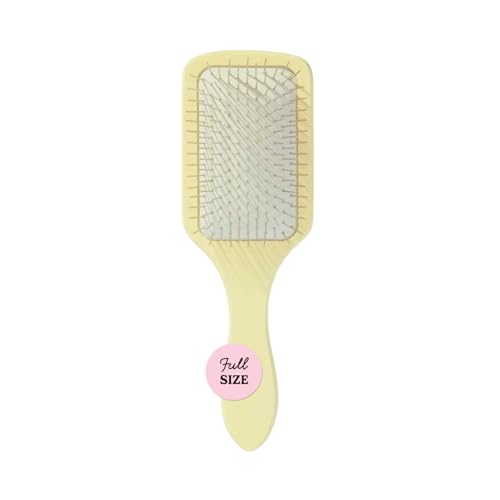
- Detangling paddle brush for cowlicks and resistant knots
- Vented thermal brush 1.5 inch for smoothing cowlicked hair
- Hair dryer with adjustable heat and speed
- Heat protectant spray or serum
- Fine-tooth comb or sectioning clip


Before You Start
Assess the hair type and cowlick pattern before styling. Protective measures include applying a heat protectant and using the lowest effective heat setting. Work in small sections to ensure even heat distribution. Allow hair to dry partially before brushing to minimize breakage. Time estimate: 15–30 minutes depending on hair length and texture.
Step-By-Step: How To Smooth Cowlicks
- Start with clean, towel-dried hair and apply a light heat protectant from roots to tips.
- Section hair around the most stubborn cowlick using clips. This helps your brushes reach the right direction without pulling.
- Use a detangling paddle brush to gently remove knots without tugging. Work from ends to roots for best results.
- Choose your primary tool based on the section: a boar bristle round brush or a vented thermal brush for smoothing while blow-drying.
- Direct the brush at the root of the cowlick, guiding hair in the direction you want it to lay. Apply light heat with the dryer, moving steadily to avoid scorch marks.
- When a cowlick resists, roll the brush toward the scalp and hold for a few seconds on medium heat, then release while cooling the strand with a cool shot.
- Repeat on all sections, keeping the shaft of the hair taut but not stretched. Finish with a cool blast to set the shape.
- If needed, use a fine spray of lightweight finishing product to tame flyaways without weighing hair down.
- Inspect in natural light and adjust any stubborn strands with a quick rebrush. Avoid over-brushing, which can amplify frizz.
- Set the style with a light veil of hair spray or a flexible hold product only where necessary.
- For overnight maintenance, consider braiding or using a satin pillowcase to minimize friction that reintroduces cowlick patterns.
Troubleshooting
| Symptom | Likely Cause | Fix | Prevention |
|---|---|---|---|
| Hair reverts after a few hours | Insufficient cooling or heavy product | Use a stronger cool shot and lightweight product | Apply product sparingly and distribute evenly |
| Frizz around cowlicks | Dry air or over-drying | Reduce heat duration; finish with cool air | Use humidity-friendly styling products |
| Stiff feel after styling | Heavy hold product | Switch to a lighter, flexible-hold option | Use minimal product per section |
| Hair tangles near cowlicks | Aggressive detangling | Switch to detangling paddle brush and work from ends | Brush when hair is damp and conditioned |
Common Mistakes
- Brushing against the natural growth direction for too long, which worsens cowlicks.
- Using excessive heat or constant brushing on the same spot, causing breakage.
- Skipping a heat protectant, leading to dryness and frizz.
- Applying heavy products that weigh hair and highlight cowlicks.
Tips For Best Results
- Always work with the hair slightly damp for optimal pliability when using brushes and heat.
- Experiment with brush types to discover which aligns best with your hair texture and cowlick pattern.
- Maintain consistent brush pressure and avoid tugging, especially near the scalp.
- Consider a light smoothing serum for flyaways after styling, focusing on the cowlick area only.
- Practice makes perfect—repeat the technique a few times to train hair to lay in the desired direction.
Call A Professional
Seek professional help if cowlicks persist despite consistent styling, or if there is noticeable hair damage from heat. Signs to consult a pro include persistent breakage, scalp irritation from repeated heating, or if you notice unusual hair texture changes.
FAQ
What causes cowlicks in the first place?
Cowlicks arise from the natural growth pattern and direction of hair follicles, sometimes reinforced by hair elasticity and texture.
Can I remove cowlicks permanently?
Permanent removal isn’t possible without surgical intervention; styling techniques are designed to minimize visibility and improve control.
Which brush works best for flyaways around cowlicks?
A detangling paddle brush combined with a vented thermal brush often yields the most controlled results for different hair types.
Should I sleep with a certain hairstyle to reduce morning cowlicks?
Loose braids or a satin/silk pillowcase can minimize friction, helping cowlicks lay flatter by morning.
Is heat styling damaging to cowlick-prone hair?
When used with a heat protectant and proper technique, heat styling is safe and effective for managing cowlicks.
Can products help with stubborn cowlicks?
Lightweight smoothing products can help, but avoid heavy gels on cowlicks, which can create stiffness and accentuate the pattern.
Buying Guide
When selecting tools to manage cowlicks, consider size, heat distribution, and compatibility with your hair. A boar bristle round brush for blow-drying hair cowlicks medium size offers good control for root lift and direction. A detangling paddle brush for cowlicks and resistant knots is ideal for gentle detangling without snagging sensitive areas. A vented thermal brush 1.5 inch for smoothing cowlicked hair can provide efficient styling while reducing frizz. Look for brushes with durable handles, heat-resistant materials, and vented designs that promote airflow. Check customer reviews for real-world performance on cowlicks similar to your hair type.
Key buying factors include size (medium or compact for precise sections), noise level of the dryer if applicable, energy efficiency (for electric tools), controllability (adjustable heat/speed), and placement convenience (ergonomic grips for comfortable use at home). Consider your typical styling routine: daily smoothing vs. occasional special-occasion styling. Accessories such as heat mats, protective sleeves, and color-coded clips can enhance workflow and reduce the risk of heat damage.
For a complete setup, pair your chosen brushes with a lightweight heat-protectant spray, a broad-toothed comb for initial detangling, and a cooling spray or mist to set the finish. If you frequently deal with cowlicks in specific areas (such as at the crown or along the hairline), tailor your tool choice to those zones and adjust your technique accordingly.
Leave a Reply