How to Clean a Small Ice Maker
Small ice makers are convenient for kitchens, offices, or entertaining spaces, but their compact size can make cleaning feel daunting. A regular, thorough clean helps prevent mineral buildup, odors, and clogs that affect ice quality. This guide provides a practical, step-by-step method using common tools, including a dedicated cleaning kit and descaler tablets, to keep your compact unit performing at its best.
Following a routine cleaning schedule can extend the life of your ice maker and ensure safe, reliable ice. The steps below are designed for most portable and countertop models, but always check the manufacturer’s instructions for any model-specific cautions.
Quick Answer
Run a clean cycle with a recommended descaler, scrub removable parts with a long-reach ice maker cleaning brush, rinse thoroughly, then sanitize with a mild solution. Dry parts completely before reassembling. Do this every 1–3 months depending on usage.
What You’ll Need
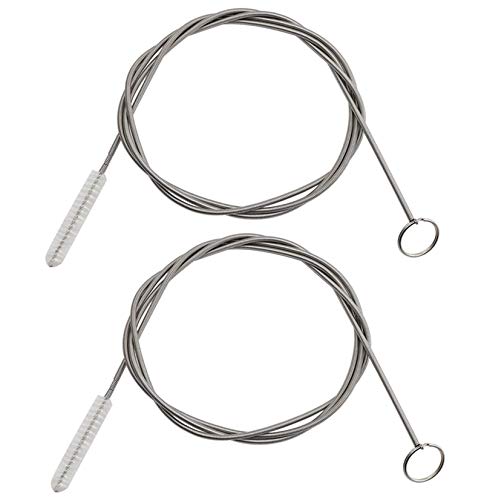
- Ice maker cleaning brush long-reach
- Ice maker descaler tablets
- Portable ice maker cleaning kit
- Soft cloth or sponge
- Mild dish soap
- Clean water (for rinsing)
- Small bowl or cup for solution


Before You Start
Unplug the ice maker and disconnect it from any water source before you begin. Empty the ice bin and allow the unit to cool if recently used. Prepare a clean workspace and lay out towels to catch any spills. Avoid harsh chemicals or abrasive tools, which can damage finishes or leave residue in ice. Plan for a 30–60 minute cleaning window, depending on model and soak times.
Step-By-Step: How To Clean A Small Ice Maker
- Disconnect power and remove all ice from the bin. Wipe the interior with a damp cloth to remove loose debris.
- Prepare a descaler solution following the tablet instructions. Dissolve the tablet in warm water in a small container.
- Fill the unit’s reservoir with the descaler solution if the model supports a reservoir clean; otherwise pour the solution into the appropriate intake as directed by the user manual.
- Run the cleaning cycle or the longest cycle available. If your model requires manual agitation, use the long-reach cleaning brush to reach corners and the condenser area.
- Rinse the reservoir and interior by running fresh water through the unit, repeating until the descaler taste or odor is gone.
- Remove any removable components and wash them with mild dish soap and warm water. Use the brush to scrub stubborn mineral deposits gently.
- Rinse all parts thoroughly and air-dry on a clean towel. Reassemble once completely dry.
- Optionally, run a quick rinse with plain water to ensure no cleaning residues remain in the ice pathway.
- Fill the reservoir with fresh water and run a test cycle to confirm normal operation and ice production.
- Store unit dry and ready for next use. Keep the cleaning kit or descaler on hand for the next maintenance interval.
Troubleshooting
| Symptom | Likely Cause | Fix | Prevention |
|---|---|---|---|
| Icy taste or odor | Residue from cleaning or minerals | Rinse thoroughly; replace descaler with proper dilution | Regular cleaning schedule |
| Slow ice production | Clogged inlet or condenser | Clean with long-reach brush; ensure airflow around unit | Keep area clear; avoid mineral-heavy water |
| Ice is cloudy | Mineral buildup or air in ice | Descale; run extra cycles with clean water | Use filtered water if possible |
| Leaks during cleaning | Improperly sealed parts | Check seals; reseat removable parts | Follow manufacturer guidance for reassembly |
Common Mistakes
- Overfilling the reservoir with cleaning solution
- Using aggressive brushes that scratch surfaces
- Skipping the rinse cycle after descaling
- Ignoring manufacturer guidelines for model-specific steps
Sticking to the recommended products helps minimize residues. It’s common to rely on a dedicated cleaning kit and descaler tablets for consistent results.
Tips For Best Results
- Schedule monthly cleanings for high-use households or offices.
- Always use the recommended descaler tablets to avoid chemical reactions with other cleaners.
- Rinse thoroughly and dry completely to prevent mold growth.
- Keep the long-reach cleaning brush on hand to reach tight spaces.
- Use filtered or distilled water if your water supply is hard or has off flavors.
Call A Professional
Consider a professional service if you notice persistent issues such as persistent odors after cleaning, recurring clogs, or mechanical failure that prevents ice production. Seek expert help sooner if there are unusual noises, leaks, or visible damage to components.
FAQ
How often should I clean a small ice maker?
Clean every 1–3 months based on usage and water quality.
Can I use regular household cleaner to clean my ice maker?
No—use the recommended descaler and mild soap; avoid abrasive or corrosive cleaners.
What water should I use in my ice maker?
Filtered or distilled water can reduce mineral buildup and improve ice quality.
Is it safe to use the long-reach brush on all parts?
Yes, for removable components and interior folds; avoid applying excessive force on delicate parts.
How long does a typical cleaning take?
About 30–60 minutes, including drying time and a test run.
What if the ice still tastes odd after cleaning?
Consider replacing the descaler with fresh product and checking water quality; if problems persist, consult support.
Should I sanitize the ice maker?
Sanitizing after rinsing with a mild solution is optional but can help neutralize lingering odors.
Buying Guide
When shopping for a small ice maker, consider size, noise, energy efficiency, controls, and placement. How much ice do you need, and where will the unit sit? Look for models that sweet-spot between footprint and ice yield. For regular cleaning, a dedicated ice maker cleaning kit and descaler tablets ensure maintenance remains straightforward. If you use the unit in a kitchen, a quieter model with insulated housing may be preferable. Consider a unit with accessible reservoirs and removable bins for easier cleaning. Always check compatibility with standard cleaning products and the availability of compatible accessories like a long-reach ice maker cleaning brush.
Leave a Reply