How to Get Rid of Coffee Stains on Clothes
Coffee spills are a common wardrobe mishap, but most stains can be tackled effectively with common household products. This guide walks through practical, step-by-step methods to lift coffee stains from different fabrics, using products you may already own or can easily buy online.
Understanding the stain’s chemistry and acting quickly improves results. The following methods cover fresh spills and older stains, and address natural fibers like cotton and synthetic blends. Safety notes and best practices help protect fabric and colors while removing coffee marks.
Quick Answer
Blot fresh spills, rinse with cold water, then apply an enzyme stain remover spray or a stain-removing pen for fabrics. If the stain persists, use an oxy-based powder with water to form a gentle paste and launder as directed. For tough or set-in stains, repeat the process or try a fabric-safe stain stick before washing.
What You’ll Need
The following tools and products help remove coffee stains effectively. Start with a quick pre-treatment, then launder as recommended for your fabric.
- enzyme laundry stain remover spray for coffee stains on fabric 16oz
- coffee stain remover pen for fabrics fabric stain stick
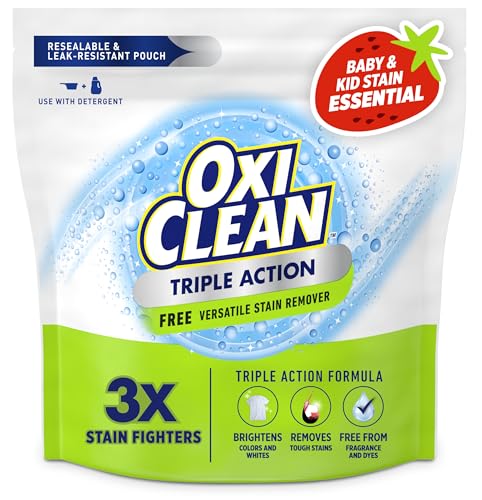
- OxiClean stain remover powder for clothes 64 oz


Before You Start
Before treating stains, check the garment care label for fabric-specific instructions. Test any product on an inconspicuous area to ensure no color bleed or fabric damage occurs. Work on a fresh spill as soon as possible; older stains may require multiple treatments. Allow adequate drying time between steps to avoid setting the stain with heat. Never use hot water or a dryer on a coffee stain before it’s fully treated, as heat can set the stain permanently.
Step-By-Step: How To Remove Coffee Stains From Fabrics
- Blot the spill gently with a clean cloth to absorb excess liquid; avoid rubbing which can embed the coffee deeper into fibers.
- Rinse under cold running water from the backside of the fabric to push the stain out of the fibers.
- Apply enzyme laundry stain remover spray for coffee stains on fabric 16oz to the stained area, covering the back of the fabric as well if possible.
- Gently work the remover into the fabric with a soft brush or your gloved fingers for about 1–2 minutes, then let it sit per product directions (often 5–10 minutes).
- For stubborn or older stains, apply the coffee stain remover pen for fabrics fabric stain stick directly to the stain and rub lightly to activate enzymes.
- Wash the garment in the hottest water allowed by the care label with a regular laundry detergent, and add a dose of OxiClean stain remover powder for clothes 64 oz to the wash if the stain is persistent.
- Check the stain before drying. If any trace remains, repeat the treatment sequence; do not dry until the stain is fully removed, as heat can set it.
- Air dry or tumble dry on low per care instructions after the stain is gone to confirm success.
- For washable delicates or fabrics with special finishes, consider spot-treating with the pen and washing by hand or using a gentle cycle.
Troubleshooting
| Symptom | Likely Cause | Fix | Prevention |
|---|---|---|---|
| Stain remains after first wash | Stain older than 24 hours; insufficient pre-treatment | Re-apply enzyme spray, then wash again; consider OxiClean powder | Treat spills immediately |
| Color fading or fabric damage | Overuse of harsh products on delicate fabrics | Test in inconspicuous area; use milder method or hand wash | Always check care label; limit duration of pre-treatments |
| Stain reappears after drying | Stain was not fully removed; heat-set | Re-treat and rewash, avoid heat until cleared | Air-dry after treatment if unsure |
| Grey or cloudy residue after washing | Improper rinsing of detergent or cleaners | Rinse thoroughly; run an extra rinse cycle | Use correct detergent amount |
Common Mistakes
- Using hot water on a coffee stain before pre-treatment
- Rubbing vigorously, which drives coffee deeper into fibers
- Using bleach on colored fabrics or unless the label permits
- Skipping the test patch on delicate fabrics
Tips For Best Results
Act quickly on fresh spills to simplify stain removal. For mixed fiber blends, prioritize products that are safe on multiple fabrics. If you’re washing a garment with multiple stains, treat each area separately before laundering. For very stubborn stains, a second treatment cycle often yields better results.
Call A Professional
Seek professional alterations or dry-cleaning advice if the fabric is suede, leather, silk, or has a radiant garment finish that could be harmed by chemical cleaners. Stop treatment and consult a pro if you notice color bleeding, shrinking, or fabric distortion after any cleaning attempt.
FAQ
Can I remove coffee stains from every fabric?
Most cottons, synthetics, and blends respond well to enzyme sprays and oxi-based powders, but delicate fabrics like silk or wool may require specialized care.
Is it safe to use OxiClean on colored fabrics?
Yes, when used as directed and tested on a hidden area; avoid concentrated contact with bright or vulnerable dyes.
How long should pre-treatment sit?
Typically 5–10 minutes for enzyme sprays; longer for stubborn stains, per product directions.
What if the stain returns after washing?
Repeat the treatment sequence before drying, as heat can set residual stains.
Can I dry clothes after treatment?
Only after confirming the stain is fully removed; otherwise air-dry to prevent setting.
Are there natural alternatives?
Cornstarch or plain cold water can help with fresh spills, but enzymatic cleaners are generally more effective on set stains.
What is the best order of steps?
Blot, rinse, pre-treat with enzyme spray or stain pen, wash with oxy-based powder, check before drying.
Buying Guide
When choosing stain-removal products for coffee spills, consider size, packaging, and fabric compatibility. A large, versatile powder like OxiClean provides bulk value for households with frequent stains. An enzyme-based spray offers fast pre-treatment on various fabrics, including cotton and blends. A stain-remover pen provides precise spot treatment for targeted spills on delicate fabrics. Think about your washing habits and storage space when selecting a kit.
Key Buying Factors
Size and capacity: Larger containers reduce replacement frequency for heavy users; smaller bottles are easier to store for occasional use. Noise level and ease of use are secondary for most consumers, but consider spray bottles vs. pens for convenience.
Effectiveness: Look for enzymes that target organic stains and oxi-based formulations for tough stains. Check that the product is safe on colors and suitable for your fabrics.
Energy and sustainability: Powdered formulas avoid heat activation and may be more energy-efficient than hot-water treatments. Consider recyclable packaging and cruelty-free branding where important to you.
Controls and safety: Choose products with clear instructions, patch-test guidance, and irritation precautions. If you have sensitive skin or allergies, review ingredient lists.
Placement and storage: Store cleaning products away from food and in a cool, dry place. Keep out of reach of children and pets, and ensure caps are sealed to prevent spills.
Leave a Reply