How to Clear Cloudy Fish Tank Water
Cloudy aquarium water is a common issue for both new and established tanks. It can result from biological imbalances, excess nutrients, or dirty maintenance habits. This guide provides practical steps tailored for American hobbyists to restore clarity safely while keeping fish healthy.
By following a structured approach—testing water, cleaning effectively, and adjusting routine maintenance—tank owners can reduce cloudiness quickly and maintain stable conditions over time. The focus is on accessible kits, reliable cleaning tools, and a clear decision path for when to seek professional help.
Quick Answer
Identify the cause (new tank bloom, overfeeding, frequent changes, or decaying debris) and start with water testing. Perform a partial water change (about 20–30%) using conditioned water, then vacuum the substrate to remove wastes. If cloudiness persists, enhance filtration and consider an additional treatment like a UV sterilizer for persistent algae or bacterial blooms. Regular maintenance and monitoring are key to long-term clarity.
What You’ll Need
To tackle cloudy water effectively, gather the following tools and supplies. The list prioritizes items commonly used by hobbyists and aligns with the provided product keywords.
- API Freshwater Master Test Kit
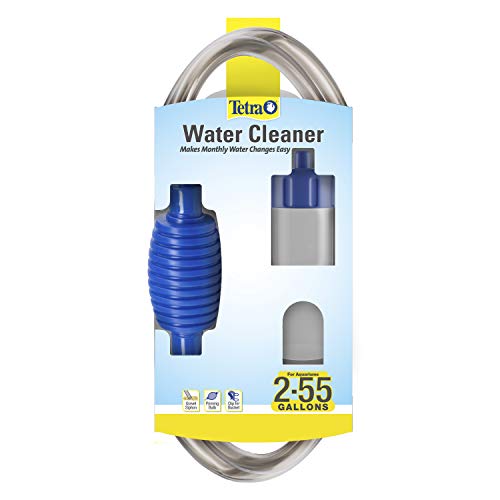
- aquarium gravel vacuum siphon cleaner
- UV sterilizer for aquarium
- Water conditioner for remineralizing and dechlorinating tap water
- Algae-safe clarifier or beneficial bacteria supplement (optional)
- Clean buckets and siphon-compatible containers
- Glass cleaner or algae scraper for tank surfaces
- Activated carbon filter media or fresh media replacement (optional)


Before You Start
Before diving in, consider tank size, inhabitants, and the specific cause of cloudiness. Plan for time windows: a typical cleanup may take 30–90 minutes, with follow-up checks over the next 24–72 hours. Use a heater guard if you have sensitive species and avoid sudden temperature shifts during water changes. Always unplug equipment before maintenance and recheck for proper airflow and filtration after finishing.
Step-By-Step: How To Clear Cloudy Water
- Test the water using the API Freshwater Master Test Kit to measure ammonia, nitrite, nitrate, pH, and chlorine/chloramine levels. Document current readings for trend tracking.
- Assess the source determine whether the cloudiness is a bacterial bloom, algae bloom, or substrate dust. New tanks often clear as beneficial bacteria establish; older tanks may indicate water quality issues.
- Perform a partial water change siphon out 20–30% of tank water, taking care not to disturb delicate plants or gravel dwellers. Replace with dechlorinated, temperature-matched water to restore balance.
- Vacuum the substrate use the aquarium gravel vacuum siphon cleaner to remove detritus and uneaten food that contribute to cloudiness and nutrient buildup.
- Clean filter media rinse non-mechanically loaded media in tank water if needed to avoid a sudden collapse of beneficial bacteria. Replace media only as recommended by the manufacturer.
- Boost filtration ensure the filter is appropriately sized for the tank and running cleanly. If flow is weak, clean impellers and check for clogs. Consider upgrading to a higher-capacity filter if persistent cloudiness occurs.
- Consider UV sterilization for stubborn bacterial or algal blooms. A UV sterilizer for aquarium can help reduce free-floating organisms and improve clarity when used according to the manufacturer’s guidelines.
- Treat with caution if you suspect a nutrient spike, use a targeted product sparingly and follow dosing instructions. Avoid over-treating, which can harm fish and beneficial bacteria.
- Stabilize lighting and feeding reduce light exposure during troubleshooting, and limit feeding to the amount fish can consume within 2–3 minutes to prevent excess nutrients.
- Monitor and repeat check water parameters 24–48 hours after changes. Repeat small water changes if readings show imbalance or cloudiness returns.
- Maintain routine establish a consistent weekly maintenance schedule, including substrate cleaning, water testing, and filter checks to prevent future clouding.
Troubleshooting
| Symptom | Likely Cause | Fix | Prevention |
|---|---|---|---|
| Milky white water | Substrate dust or bacterial bloom | Partial water change; vacuum substrate; check biological filtration | Rinse new substrate and avoid overfeeding |
| Green water or algae film | Excess light and nutrients | Diminish lighting duration; remove excess nutrients; consider UV sterilization | Regular light schedule; don’t overfeed |
| Brown tea-colored water | Tannins from driftwood or decaying plant matter | Water changes; replace/filter media; consider activated carbon | Pre-soak driftwood; remove decaying plant material promptly |
| Persistent cloudiness after changes | Bioload too high or filtration insufficient | Upgrade filter or increase carbon dosing carefully; ensure tank mates aren’t overstocked | Match bio-load to tank size; avoid sudden changes |
Common Mistakes
- Over-reliance on a single fix instead of testing and incremental changes
- Skipping water testing after maintenance, leading to unseen imbalances
- Using excessive amounts of clarifiers or antibiotics without confirming need
Cloudy water often improves with methodical testing, prompt cleaning, and stabilized maintenance. Avoid rushing the process or introducing large doses of chemicals without evidence.
Tips For Best Results
- Schedule regular tests with the API Freshwater Master Test Kit to track trends, not just a single reading
- Maintain consistent weekly maintenance windows for substrate cleaning and filter checks
- Make water additions slowly to prevent pH and temperature shocks
- Store tools and dechlorinator in ready-to-use condition for quick response
- Keep a simple log of water parameters and cleaning steps to identify patterns over time
Call A Professional
Consider a professional if cloudiness persists after multiple rounds of tests and maintenance, or if fish show stress signs such as gasping, hiding, or lethargy. Also seek help if you notice persistent abnormal odors, rapid pH shifts, or equipment failures that you cannot safely resolve.
FAQ
What does cloudy water indicate in an established tank?
It can signal a temporary bacterial bloom, nutrient imbalance, or particulate matter from substrate disturbance. Testing helps identify the cause.
How often should I test water parameters?
Test weekly during normal maintenance and after any major changes like filters, lighting, or feeding routines.
Is a UV sterilizer safe for all fish?
UV sterilizers help reduce free-floating organisms but should be used according to manufacturer instructions and tank compatibility guidelines.
When is a water change necessary?
After identifying a parameter imbalance or persistent cloudiness, a partial water change is usually the fastest corrective action.
Can over-cleaning harm the tank?
Yes. Excessive cleaning can remove beneficial bacteria and destabilize the biological filter, so balance cleaning with tested water parameters.
Are there natural ways to clear cloudy water?
Yes. Proper substrate cleaning, controlled feeding, and stable lighting can reduce cloudiness without chemicals.
Buying Guide
When shopping for supplies to maintain clear aquarium water, consider size, noise, energy use, and placement. For filters and UV sterilizers, match capacity to tank volume and bioload. Look for features such as adjustable flow, easy maintenance, and reliable filtration media compatibility. Consider a robust test kit like API Freshwater Master Test Kit for ongoing monitoring. Placement matters too: keep cords and cords away from water, and position equipment to allow easy access for maintenance. If choosing a UV sterilizer, verify compatibility with your filter system and confirm bulb replacement intervals. For gravel vacuum cleaners, select a model that fits your tank’s substrate depth and diameter for efficient cleaning. Always read product manuals and user reviews to ensure proper use in your specific tank setup.
Leave a Reply