How to Clean Rug Doctor Machine Before Returning
Renting or returning a Rug Doctor machine typically requires a quick, thorough cleaning to prevent residue from transferring and to keep the equipment in good condition for the next user. This guide outlines a practical, step-by-step process, focusing on common Rug Doctor models and the cleaning products designed for them.
Quick Answer
Clean the brushes and surfaces, rinse the reservoir, and use the right cleaning solution in the proper ratio. Remove any hair or debris, wash removable parts, and ensure the unit is dry before storing or returning it.
What You’ll Need
- Rug Doctor carpet cleaner machine cleaning brush kit
- Rug Doctor replacement nozzle brush set
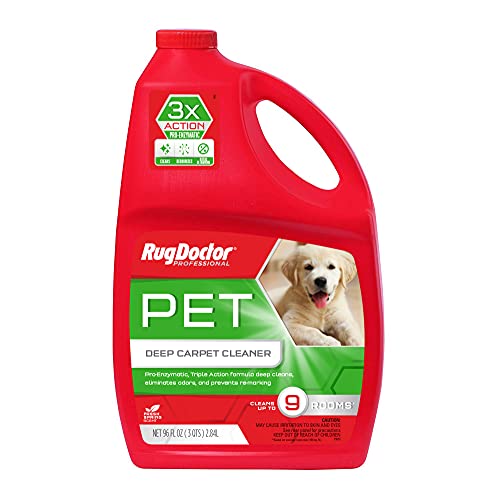
- Rug Doctor machine cleaning solution 64 oz


Before You Start
Read the user manual for your specific Rug Doctor model and confirm any return instructions from the rental agency. Safety first: unplug the machine, disconnect any hoses, and wear protective gloves to avoid skin contact with cleaning solutions. Prepare a well-ventilated workspace and have towels or a small pan ready for drips. Time estimate: 20–40 minutes for a standard carpet cleaning machine, longer if the reservoir was heavily used or if extensive brush cleaning is needed. Critical cautions: never submerge the motor housing, avoid exposing electrical components to water, and never mix cleaning solutions not approved by Rug Doctor.
Step-By-Step: How To Clean Rug Doctor Machine Before Returning
- Unplug the machine and detach the cleaning wand and hose according to the manual.
- Empty the recovery tank and rinse it with warm water to remove loose debris.
- Rinse the exterior surfaces with a damp cloth to remove dust, dirt, and hair.
- Remove and wash the brushes using the Rug Doctor carpet cleaner machine cleaning brush kit, ensuring bristles are free of tangled fibers.
- Clean the nozzle and brush assemblies with the Rug Doctor replacement nozzle brush set, paying attention to any clogs or residue in the suction ports.
- Fill a bucket with warm water and add Rug Doctor machine cleaning solution 64 oz according to the packaging to create a light cleaning rinse for internal components if recommended by the manual.
- Run a short cleaning cycle with clean water only to flush the system, followed by another cycle using the cleaning solution to remove built-up grime.
- Rinse the recovery tank again and wipe down the interior surfaces; dry all parts thoroughly before reassembly.
- Reassemble the machine, test it with clean water, and ensure no leaks or unusual noises before returning.
- Store in a dry area with hoses coiled neatly to prevent kinks and damage.
Troubleshooting
| Symptom | Likely Cause | Fix | Prevention |
|---|---|---|---|
| Water leaks during operation | Loose connections or damaged seals | Check all seals, reseat hoses, replace damaged gaskets | Inspect fittings before use |
| No suction from recovery tank | Clogged nozzles or hose | Clear nozzles with the nozzle brush; inspect and clear hoses | Rinse thoroughly after each cleaning |
| Brushes not spinning | Motor, belt, or attachment issue | Inspect belt tension and attachment fit; replace if worn | Follow manual for brush maintenance |
| Strong odor after cleaning | Residue buildup in tank or hoses | Flush system with clean water, then clean solution; sanitize if recommended | Clean after each use |
Common Mistakes
- Using household cleaners not approved by Rug Doctor, which can damage seals or void warranties
- Leaving the recovery tank unemptied, causing residue to dry and clogging later use
- Skipping the rinse cycle and returning the unit with cleaning solution residue
- Overlooking small parts like nozzle brushes or wand connections during reassembly
Tips For Best Results
- Always begin with a thorough exterior wipe to prevent transfer of grime indoors
- Inspect and clean brushes regularly to maintain effective agitation
- Use the cleaning solution in the recommended ratio to avoid oversoaking carpets or leaving residues
- Rinse and dry components completely to prevent mold and mildew growth inside the machine
- Document or photograph the disassembly and reassembly steps to ensure correct setup for return
Call A Professional
Seek professional service if you notice persistent leaks, electrical faults, or unusual noises that persist after cleaning. If the machine shows signs of damage from improper use, or if you are unsure about reassembly, contact the rental provider or a trained technician for guidance.
FAQ
How do I know if the Rug Doctor machine is clean enough to return?
A clean exterior, no visible residue, and thoroughly rinsed reservoirs and hoses typically indicate readiness for return.
Can I use any cleaning solution with Rug Doctor machines?
Only use Rug Doctor approved cleaning solutions or those recommended by the manual to protect components.
What should I do if the nozzle is clogged after cleaning?
Use the included nozzle brush to clear debris, then flush the system with clean water before testing.
Is it necessary to dry the machine completely?
Yes, drying reduces mold risk and prevents damage during storage or return.
How long should I spend cleaning a Rug Doctor machine?
Typically 20–40 minutes, depending on usage and model complexity.
What if I encounter a leak after returning the unit?
Document the issue and contact the rental provider promptly for guidance on next steps.
Buying Guide
When evaluating cleaning equipment for return readiness or future ownership, consider size, noise level, energy efficiency, and control features. For Rug Doctor machines, prioritize compatible cleaning solutions, brush and nozzle accessories, and replacement parts. Look for bundles that include a cleaning solution, a brush kit, and a nozzle set to simplify maintenance. Assess how easy it is to access and replace components, as well as how quickly the unit dries after cleaning. If storage space is limited, consider models with compact dimensions and simple cord management. Finally, consider the availability of official replacement parts and how closely the kit aligns with the cleaning tasks you perform most often.
Leave a Reply