How to Get Rid of Clogged Pores
Clogged pores are a common skin concern for many Americans, often due to excess oil, dead skin cells, and environmental pollutants. This practical guide walks through proven steps to reduce blackheads and minimize pores, using safe at-home routines and select tools designed for pore care. Readers will learn how to choose devices, use them properly, and maintain clear, smooth skin over time.
By following a structured routine and employing the right tools, individuals can improve skin texture and reduce the appearance of pores without harsh treatments. The approach emphasizes consistency, gentle techniques, and moderation to avoid irritation.
Quick Answer
Fast method: start with a gentle cleanse, use a sonic facial cleansing brush for deep pore cleansing, apply a warm compress, then use a pore vacuum suction device for targeted extraction, followed by a soothing toner and moisturizer. For stubborn blackheads, a stainless steel comedone extractor can be used with care.
What You’ll Need
- Pore vacuum suction device for clogged pores
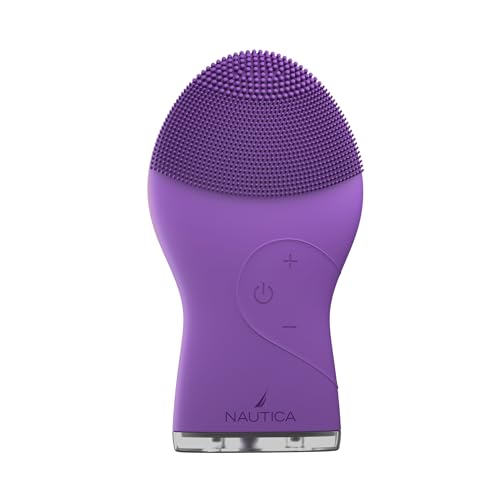
- Sonic facial cleansing brush for deep pore cleansing
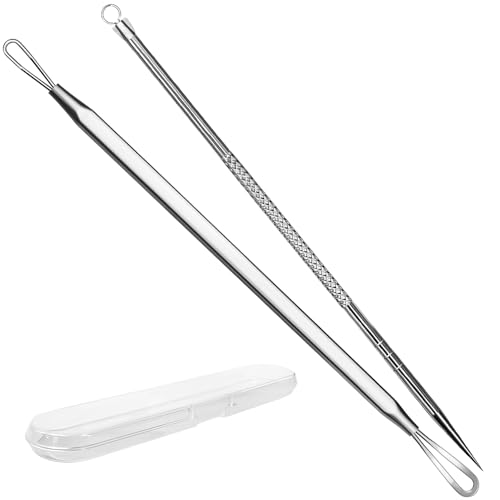
- Stainless steel comedone extractor blackhead remover tool
- Gentle cleanser suitable for your skin type
- Warm towel or facial steamer for pore opening

Before You Start
Identify your skin type and patch-test any new device to avoid irritation. Plan a routine that minimizes friction on sensitive areas. Time estimates: set aside 20–30 minutes per session, 1–3 times per week depending on tolerance. Important cautions: do not use devices on inflamed, broken, or acne-ridden skin; avoid aggressive squeezing; disinfect tools before and after use; follow manufacturer’s instructions for each device.
Step-By-Step: How To Get Rid Of Clogged Pores
- Wash hands and cleanse the face with a mild cleanser to remove surface oil and dirt.
- Apply a warm compress or steam for 3–5 minutes to soften the pores.
- Use the sonic facial cleansing brush to cleanse deeply, guiding the brush in small circular motions for about 1–2 minutes per area.
- Rinse with lukewarm water and pat dry with a clean towel.
- Gently glide the pore vacuum suction device over the nose and cheek areas where pores are most noticeable. Do not linger in one spot to prevent suction marks.
- If a stubborn blackhead remains, carefully use the stainless steel comedone extractor by placing the loop around the blemish and applying light pressure toward the opening. Stop if there is resistance or pain.
- Apply a soothing, alcohol-free toner to rebalance the skin and close pores.
- Finish with a non-comedogenic moisturizer and SPF if daytime routine is performed outdoors.
- Follow up with gentle exfoliation 1–2 times per week (not on the same day as pore treatment) to prevent buildup.
- Reassess skin condition after 4–6 weeks and adjust frequency accordingly to avoid irritation.
- Sanitize tools after each use and store in a clean, dry area to prevent contamination.
- Keep a simple skincare diary to track what works and what doesn’t for your unique skin.
Troubleshooting
| Symptom | Likely Cause | Fix | Prevention |
|---|---|---|---|
| Red, irritated patches after extraction | Overuse or too much pressure | Cease use for a few days; apply soothing product | Use gentler pressure; limit sessions |
| Itching after cleansing or using brush | Harsh cleanser or sensitivity | Switch to a fragrance-free cleanser; reduce brush time | Test patch; switch to softer brush head |
| Redness around treated areas | Excessive suction or extraction | Reduce suction intensity or skip extraction today | Space out sessions; follow with soothing products |
| Breakouts after routine | Comedonesurfacing blocked pores | Scale back exfoliation; ensure non-comedogenic products | Non-irritating routine; avoid heavy oils |
Common Mistakes
- Over-squeezing or aggressive extraction, which can scar or inflame the skin.
- Using devices on acne or broken skin, which can spread infection or worsen irritation.
- Neglecting regular cleansing or not removing makeup before treatment.
- Skipping sunscreen, which can worsen pore visibility through post-treatment pigmentation.
Tips For Best Results
- Schedule pore care on non-consecutive days to allow skin recovery between sessions.
- Choose devices with adjustable intensity and use the lowest effective setting.
- Always cleanse before and after using mechanical tools to reduce bacteria exposure.
- Pair with a gentle exfoliant or retinoid product only after consulting a skincare professional.
- Keep hydration high by using a lightweight, non-comedogenic moisturizer daily.
Call A Professional
Consider consulting a dermatologist or licensed esthetician if you notice persistent blackheads, cystic pimples, large pores, or frequent breakouts that do not improve with home care. Stop use and seek professional advice if redness, swelling, or pain worsens after home treatment.
FAQ
Can pore vacuum devices permanently shrink pores?
They can temporarily help clear buildup and improve appearance, but pore size is largely genetic and influenced by skin type. Consistent maintenance can keep pores looking smaller.
Are sonic brushes safe to use daily for pore cleansing?
Most people tolerate them well, but it depends on skin sensitivity. Start with 1–2 times per week and adjust as needed after patch testing.
How often should I use a comedone extractor?
Use sparingly and only when a blemish is ready to be safely expressed. Overuse can cause scarring and infection.
What should I do after extracting a blackhead?
Apply a soothing toner and a non-irritating moisturizer; consider a product with salicylic acid once per day to prevent new buildup, if your skin tolerates it.
Buying Guide
The Buying Guide helps readers select effective tools for clogged pores, with key factors such as device type, size, noise, energy efficiency, controls, and placement. Consider a combination approach: a pore vacuum suction device for extraction, paired with a sonic facial cleansing brush for deep cleansing, plus a stainless steel comedone extractor for precision work. When evaluating options, compare head attachments, adjustable settings, and ease of cleaning.
Size And Design
Look for ergonomic handles, compact form factors, and easy-to-clean surfaces. A compact device is ideal for travel, while a larger unit may offer more power and accessory options. Ensure compatibility with your skin type and preferred routine pace.
Noise Level
Quiet operation improves user experience, especially for daily routines. Some devices advertise low-noise motors or silicone gaskets to dampen sound. If you’re sensitive to noise, choose models with a built-in quiet mode.
Energy Efficiency And Battery Life
Rechargeable devices save money and reduce waste. Compare battery life per full charge and the time needed between charges. Look for devices with USB charging or rapid-charge support for convenience.
Controls And Settings
Prefer devices with intuitive control panels, multiple suction levels, and brush speeds. A clear LED indicator and lock-in safety features reduce the risk of accidental setting changes during use.
Placement And Storage
Store tools in a clean, dry case to prevent contamination. Keep devices away from children and heat sources. A stylish stand or case helps organize attachments and prolongs device life.
Brand And Support
Choose reputed brands that provide clear usage guidelines, replacement heads, and responsive customer support. Read user reviews to gauge real-world performance and reliability.
Leave a Reply