How to Clean Laminate Cabinets for a Fresh Look
Laminate cabinets offer a durable and easy to maintain finish, but dirt, grease, and fingerprints can accumulate over time. With the right approach, you can restore their shine without damaging the surface. This guide provides a practical, step by step method tailored for American homes and typical kitchen and bath setups.
Regular cleaning helps preserve the look and longevity of laminate surfaces. The key is to use gentle cleaners, soft tools, and quick drying to prevent streaks and warping. The following sections walk through the best practices for safe and effective maintenance.
Quick Answer
Use a pH neutral laminate cabinet cleaner spray with a microfiber cloth to lift grime, and a soft bristle scrub brush for stubborn spots. Wipe with a dry cloth and allow surfaces to air dry to prevent moisture buildup.
What You’ll Need
- laminate cabinet cleaner spray pH neutral
- microfiber cloth for laminate cabinets cleaning
- soft bristle scrub brush for laminate cabinet cleaning

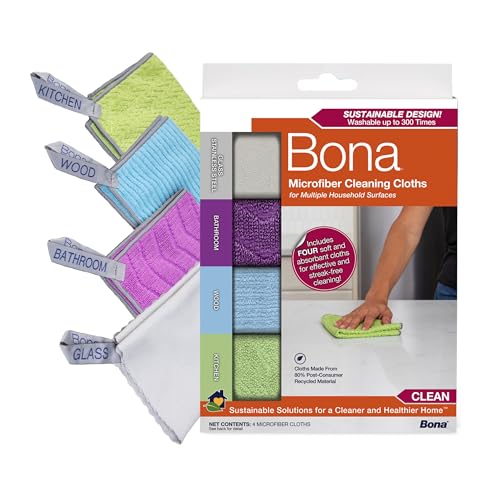

Before You Start
Prepare the area by removing items from cabinet doors and drawers. Ventilate the room if you are using spray cleaners. Test the cleaner on a small, inconspicuous area before full use. Time spent on a typical kitchen cabinet clean is about 15 to 30 minutes for a medium sized kitchen. Do not use abrasive pads or harsh solvents as they can scratch or dull the laminate finish. Ensure surfaces are dry before closing doors to avoid moisture damage.
Step-By-Step: How To Clean Laminate Cabinets
- Remove all items from the cabinet interiors and wipe loose dust with a dry microfiber cloth.
- Mist a light layer of pH neutral laminate cabinet cleaner spray onto a microfiber cloth or directly onto the surface in a controlled amount.
- Wipe the painted or laminated surface with the cloth using gentle horizontal or vertical motions to lift dirt.
- For stuck on grime, lightly brush with a soft bristle scrub brush using small circular motions.
- Rinse the cloth in clean water, wring well, and wipe the surface again to remove any cleaner residue.
- Dry the surface with a separate dry microfiber cloth to prevent streaks and moisture buildup.
- Open doors and drawers to air dry the inside edges and corners, ensuring no moisture pockets remain.
- Return items and arrange once all surfaces are completely dry.
Troubleshooting
| Symptom | Likely Cause | Fix | Prevention |
|---|---|---|---|
| Streaks after cleaning | Excess cleaner or insufficient drying | Wipe with a clean damp cloth then dry thoroughly | Use small amounts of cleaner and dry promptly |
| Scratches or dull spots | Abrasion from rough pads | Switch to a soft brush and avoid scouring tools | Use protective liners on high wear areas |
| Sticky residue | Leftover cleaner residue | Rinse with a damp cloth and dry | Test cleaner first on a hidden area |
| Moisture around hinges | Water sitting at joints | Wipe dry and ensure airflow | Keep doors slightly ajar after cleaning |
Common Mistakes
- Using greasy or solvent heavy cleaners that break down laminate coatings
- Overwetting surfaces which can seep into seams
- Using rough pads or stiff brushes that scratch the finish
- Skipping final drying which leaves dull marks
Keeping to gentle cleaners and soft tools helps maintain the look and function of laminate cabinets over time.
Tips For Best Results
- Perform a quick weekly wipe with a damp microfiber cloth to prevent buildup
- Dust cabinet faces with a microfiber cloth before deeper cleaning
- Rotate cleaning areas to avoid concentrated moisture in one spot
- Store cleaning tools away from heat sources to preserve bristle softness
With consistent care, laminate cabinets retain their original appearance and resist fingerprinting and smudges.
Call A Professional
Consider a pro if you notice ongoing peeling edges, warping, or discoloration beyond routine cleaning. Seek a specialist if you plan a larger restoration project or work on cabinets with damaged or delaminating seams. Stop cleaning if you detect unusual odors, persistent moisture issues, or loose hardware requires professional assessment.
FAQ
Can I use a regular spray cleaner on laminate cabinets?
Cew not harsh cleaners; a pH neutral laminate cabinet cleaner is best for preserving finish.
Is it safe to use baking soda on laminate cabinets?
A small amount may work for tough stains but test first on a hidden area to avoid dulling finish.
How often should I clean laminate cabinets?
Light weekly cleaning plus a deeper wipe monthly helps maintain appearance and hygiene.
What if a spill dries on the cabinet surface?
Wipe promptly with a damp cloth and dry to prevent staining or residue.
Buying Guide
When selecting products for laminate cabinet care, consider size, noise level, energy efficiency, controls, and placement. For cleaners, prioritize pH neutral formulations that are safe for laminate finishes. Choose tools with soft bristles and high quality microfiber for effective but gentle cleaning. Consider compact spray bottles for small kitchens or larger misters for open plan spaces. For places with high traffic, opt for durable microfiber cloths and a reliable soft brush to handle stubborn spots. Aim for products that are easy to store and quick to dry to minimize downtime in busy areas.
Leave a Reply