How to Get Rid of Cigar Breath
Cigar breath can linger long after a smoke, affecting social interactions and comfort. This guide offers practical steps Americans can take to reduce cigar odor with everyday dental tools and routine habits. By combining targeted cleaning with good oral hygiene, it’s possible to noticeably improve freshness throughout the day.
Quick, actionable strategies focus on removing odor-causing residues, maintaining breath-friendly habits, and choosing the right tools to support long-term freshness. The methods below emphasize accessibility and safety for home use.
Quick Answer
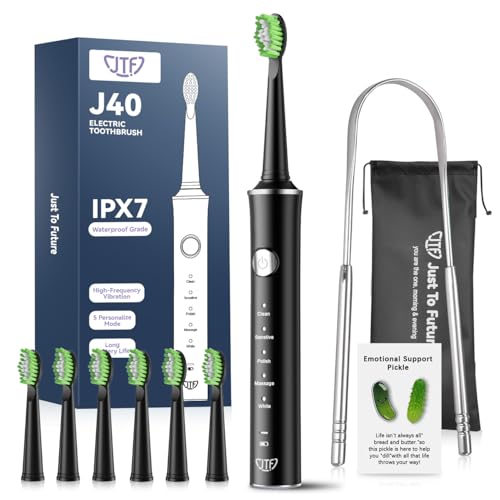
To efficiently reduce cigar breath, combine daily tongue cleaning, targeted flossing, and a mouthwash ritual. Use a tongue scraper stainless steel for bad breath, floss and rinse with an alcohol-free mouthwash, then consider a water flosser for smoker bad breath to reach tight spaces. If you prefer an all-in-one device, an electric toothbrush with tongue cleaning mode can simplify daily use.
What You’ll Need
- Tongue scraper stainless steel for bad breath
- Water flosser for smoker bad breath
- Electric toothbrush with tongue cleaning mode
- A fluoride toothpaste
- Alcohol-free mouthwash or rinses designed for fresh breath
- Cool, clean drinking water and a hydration routine


Before You Start
Preparation is key. Brush and rinse twice daily, and plan a dedicated post-smoke routine if possible. Note that tobacco smoke flavors and residues can cling to teeth, tongue, and gum tissue, so a multi-step approach matters. Avoid biting the tongue or using aggressive brushes that can irritate sensitive areas. Allow at least 60 minutes after smoking before performing deeper cleaning to minimize irritation.
Estimated time: about 8–15 minutes for a thorough routine. If you notice persistent odor after several weeks of consistent practice, consult a dentist or healthcare professional for personalized guidance.
Step-By-Step: How To Get Rid Of Cigar Breath
- Brush teeth with a fluoride toothpaste for at least two minutes to remove surface residues.
- Activate the electric toothbrush with a tongue cleaning mode if available, and gently brush the tongue surface from back to tip.
- Finish tongue cleaning with a tongue scraper stainless steel for bad breath, using light, even strokes to avoid irritation.
- Floss between teeth and around gums to reduce trapped particles that can cause odor.
- Rinse with an alcohol-free mouthwash to neutralize volatile smells and leave a longer-lasting fresh feel.
- Use a water flosser for smoker bad breath to reach between teeth and along the gumline, especially after meals.
- Hydrate with water throughout the day to support saliva production and wash away lingering particles.
- Avoid heavy, lingering foods that can contribute to odor; if you smoke, consider a post-smoke mouth rinse and a brushing routine as soon as feasible.
- Keep utensils and personal care items clean to prevent reintroduction of odors from contaminated tools.
- Schedule regular dental checkups and cleanings to address underlying issues like gum disease or cavities that contribute to bad breath.
- Optional: maintain a log of what you eat and any odor changes to identify triggers and adjust habits accordingly.
- If you smoke frequently, consider integrated oral care days that emphasize tongue cleaning and thorough rinsing to maintain freshness between sessions.
Troubleshooting
| Symptom | Likely Cause | Fix | Prevention |
|---|---|---|---|
| Persistent cigar odor after brushing | Hidden residues on tongue or gums | Use tongue scraper stainless steel for bad breath daily | Include daily water flosser sessions |
| Odor returns soon after brushing | Dry mouth or insufficient hydration | Increase water intake and use alcohol-free mouthwash | Sip water regularly; chew sugar-free gum |
| Gums bleed during cleaning | Gum irritation or gum disease | Brush gently with soft-bristled brush and consult dentist | Maintain gentle brushing technique and routine hygiene |
| Odor persists despite routine | Infection, decay, or tobacco-related damage | Seek dental evaluation | Address underlying health issues promptly |
Common Mistakes
- Rushing tongue cleaning or skipping it entirely
- Using harsh tools that irritate the tongue
- Rinsing with mouthwash containing high alcohol content
- Neglecting hydration and saliva production
Tips For Best Results
- Pair tongue cleaning with a consistent brushing routine for best outcome
- Choose tools with comfortable handles and safe edges to reduce injury risk
- Rotate between tools to prevent adaptation and maximize cleaning effectiveness
- Incorporate a post-meal rinse to reduce lingering particles
- Store oral care tools in a clean, dry place to prevent bacteria growth
Call A Professional
Engage a professional if aspirin-free oral care routines fail to reduce cigar breath after several weeks. Seek a dentist or periodontist if symptoms include persistent bad breath, sore tongue, or gum bleeding. If smoking-related health concerns arise, consult a healthcare provider promptly.
FAQ
How long does it take to notice changes in breath after starting tongue cleaning?
Most individuals notice improvements within a few days to a couple of weeks with consistent practice.
Can a water flosser replace traditional flossing?
Water flossers complement traditional flossing and can improve cleaning between teeth, especially for smokers.
Is it safe to use a tongue scraper daily?
Yes, gentle daily use is safe for most people; avoid aggressive scraping that irritates the tongue.
Should I smoke after cleaning my mouth?
It’s best to wait until after your oral care routine or reduce smoking frequency to minimize odor buildup.
Buying Guide
When selecting products to combat cigar breath, consider several factors. Size and ease of use matter for daily routines at home and on the go. Noise level can influence whether you use devices like electric toothbrushes or water flossers consistently. Energy efficiency and battery life matter for frequent users. Controls should be intuitive, with modes or settings that suit tongue cleaning and breath freshness. Placement considerations include ease of reach in a bathroom drawer or countertop and compatibility with existing products. Compare options based on how well they support tongue cleaning, interdental cleaning, and overall oral hygiene to ensure long-term benefits in breath freshness.
Leave a Reply