How to Clean Roller Blinds Effectively
Roller blinds add a clean, modern look to any room, but keeping them free of dust and fingerprints can be a challenge. A systematic cleaning routine protects the fabric, extends their life, and maintains light control and privacy. The steps below outline practical methods for homeowners across the United States, using common tools and safe techniques.
Quick Answer
Regular light dusting keeps roller blinds looking fresh. For deeper cleaning, use a microfiber kit or extendable wand to reach both sides, followed by a gentle vacuum attachment to remove embedded dust. Allow blinds to dry completely before lowering them to finish the job.
What You’ll Need
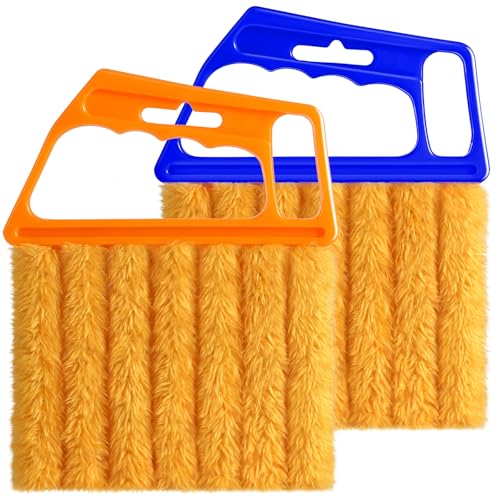
- Roller blind cleaning kit microfiber brush
- Extendable microfiber dusting wand for blinds
- Vacuum attachment for window blinds dusting


Before You Start
Always lower the blinds fully before cleaning to access both sides. Test a small, inconspicuous spot on a corner of the fabric for any color bleed or surface reaction. If blinds are very dusty, start with a dry dusting to prevent mud-like smears when moisture is introduced. Time estimate: 20–40 minutes for a standard window. Safety note: unplug nearby electrical devices and avoid soaking blinds or using excessive moisture, which can damage the fabric or mechanism.
Step-By-Step: How To Clean Roller Blinds
- Remove loose dust by gently sweeping the surface with a microfiber brush attached to the roller blind cleaning kit. Work from the top to the bottom to prevent recontamination.
- Use the extendable microfiber dusting wand for blinds to reach edges and the back side of the fabric. A light, continuous stroke reduces streaking and distributes cleaning energy evenly.
- If stubborn dirt is present, lightly dampen the microfiber cloth with clean water or a mild, plant-based cleaner. Wring well to avoid over-wetting; test first on a hidden area.
- Wipe the fabric in sections, flipping the blind as needed to access the backside. Repeat until a uniform, dust-free appearance is achieved.
- For built-up grime along seams, use a soft brush head on the cleaning kit to dislodge particles without snagging fibers.
- Use a vacuum attachment for window blinds dusting to remove any remaining dust from crevices and around the roller mechanism. Set the vacuum to a low suction to avoid fabric damage.
- Dry each section thoroughly with a clean, dry microfiber cloth to prevent moisture from attracting more dust as the blinds dry.
- Lower the blinds gradually and inspect for missed spots from top to bottom. Perform a quick pass with the wand or brush if needed.
Troubleshooting
| Symptom | Likely Cause | Fix | Prevention |
|---|---|---|---|
| Streaks after cleaning | Moisture or cleaning product residue | Wipe with a dry cloth and re-dry with minimal moisture | Use minimal moisture; test cleaners on hidden areas |
| Fading color after cleaning | Harsh cleaners or excessive sun exposure | Switch to mild cleaners; clean when blinds are out of direct sun | Use water-based, mild solutions only |
| Fabric snagging on edges | Brushing too vigorously or using rough tools | Switch to a softer brush or wand; reduce pressure | Gentle, consistent strokes |
| Dust returns quickly | Insufficient prep or high pollen areas | Dust more frequently; seal room edges temporarily | Regular maintenance schedule |
Common Mistakes
- Over-wetting blinds or soaking the fabric, which can warp or bleed color.
- Using harsh solvents or abrasive tools that damage coatings or fibers.
- Cleaning in direct sunlight, causing rapid drying and streaks.
- Neglecting the backside of roller blinds, leading to uneven dust buildup.
Tips For Best Results
- Establish a routine: quick weekly dusting plus a deeper clean every few months keeps blinds fresh with less effort.
- Work in natural light when possible to spot missed spots more easily.
- Store cleaning tools in an accessible spot near windows to streamline future cleanings.
- Label cleaning products and keep them sealed and away from children and pets.
- Consider cleaning both sides during a full window session to ensure consistent appearance across the room.
Call A Professional
Consider a professional if blinds show mold, persistent staining not responding to gentle cleaning, or if the fabric has become fragile or warped. Stop cleaning and seek help immediately if you notice any swelling, unusual odors, or cracking in the material.
FAQ
What is the best method to clean roller blinds without removing them?
Use a microfiber brush or extendable wand to dust both sides while the blinds are mounted. For deeper grime, a light damp wipe followed by thorough drying works well.
Can I use water on fabric roller blinds?
Yes, but use minimal moisture and a mild cleaner. Always test a hidden corner first.
How often should roller blinds be cleaned?
Dust weekly with quick checks, and perform a deeper clean every 3–6 months depending on exposure to dust and cooking fumes.
Are microfiber tools safe for all blinds?
Most microfiber tools are safe for standard roller blinds, but check the manufacturer’s care guidelines if your blinds use specialty coatings.
Should I remove blinds to clean them?
Removal is not required for routine cleaning, though removing them can simplify access for thorough cleanings or when heavy soiling is present.
What should I do if colors run after cleaning?
Rinse with clean water to dilute the dye transfer and dry completely. If color transfer persists, stop cleaning and consult the manufacturer.
Is steam cleaning appropriate for roller blinds?
Steam can damage certain fabrics and the mounting hardware; avoid steam unless explicitly approved by the manufacturer.
Buying Guide
When selecting tools and accessories for cleaning roller blinds, consider size, compatibility, and ease of use. A high-quality roller blind cleaning kit microfiber brush and an extendable microfiber dusting wand reduce effort and improve reach, especially on larger windows. A vacuum attachment for window blinds dusting helps remove embedded dust without soaking the fabric. For best results, choose tools that are gentle, lint-free, and easy to sanitize.
Size and fit should match your window dimensions; longer wands are helpful for tall windows, while compact kits work well for standard heights. Noise level matters for vacuum attachments in bedrooms or study areas—look for quieter models if sound is a concern. Energy efficiency is less about tools and more about keeping blinds clean so they function smoothly and maintain light control. Controls and placement: store tools near windows you clean most often, and use a dedicated cleaning station to minimize clutter.
In multi-room homes, consider a modular system that can be extended with additional microfiber heads or different wand lengths. If you frequently clean blinds in kitchens or living spaces with cooking fumes, a slightly stronger clean with minimal moisture is beneficial. Always verify product compatibility with your blinds’ fabric type and mounting hardware. Is your cleaning routine practical and scalable for future needs?
Leave a Reply