How to Get Rid of Calluses on Feet
Calluses on the feet are a common issue for many adults, especially those who stand or walk a lot or wear ill-fitting shoes. Effective removal combines gentle exfoliation, consistent care, and proper foot hygiene. This guide outlines practical steps using commonly available tools while preserving skin health and comfort.
Readers will find a straightforward approach that emphasizes safety, realistic expectations, and everyday maintenance. The methods presented here are suitable for most adults, but individuals with diabetes, poor circulation, or foot injuries should consult a healthcare professional before attempting aggressive foot care.
Quick Answer
Best overall strategy: combine a gentle exfoliation tool with regular moisturizing and proper footwear. For stubborn areas, alternate a manual file with a lower-grit stone to avoid over-scratching skin. Seek medical advice if you notice redness, bleeding, or peeling that does not improve.
What You’ll Need
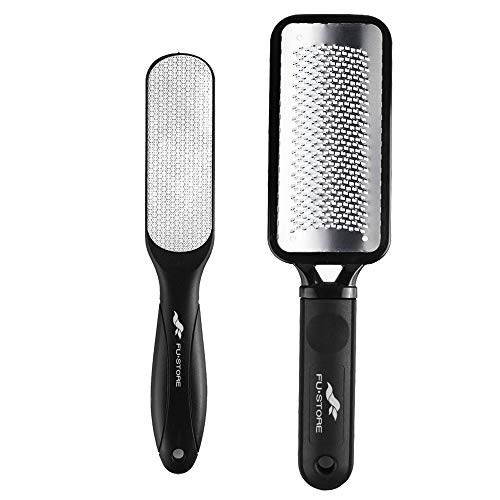
- Stainless steel foot callus remover file with safety guard
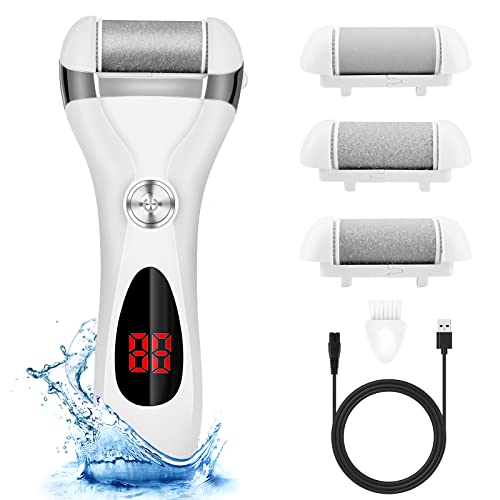
- Electric foot callus remover device rechargeable waterproof
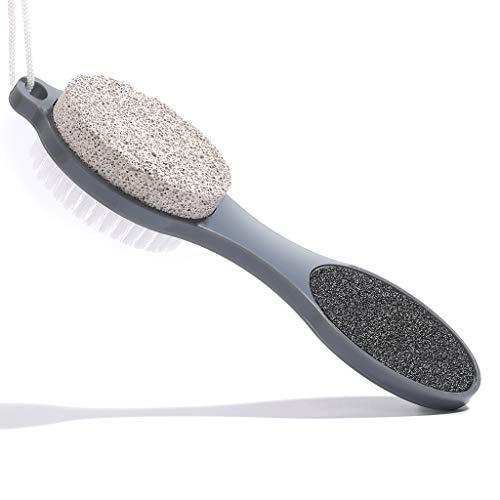
- Pumice stone foot file 4 inch for callus removal
Before You Start
Before beginning, soak your feet in warm water for 5–10 minutes to soften the skin. This makes calluses easier to remove and reduces the risk of micro-tears. Dry feet thoroughly, and apply a light moisturizer after exfoliation to lock in moisture. Important: do not use harsh scrubs or metal tools aggressively on broken skin, and avoid picking at calluses. If you have diabetes, neuropathy, or poor circulation, consult a clinician before starting any foot care routine.
Step-By-Step: How To Remove Foot Calluses Safely
- Prepare the feet by soaking in warm water with a splash of bath oil for 5–10 minutes.
- Choose a tool based on the area and skin sensitivity: start with a gentle approach using a pumice stone foot file for larger, dry calluses.
- For localized hard skin, use the stainless steel foot callus remover file with safety guard. Hold at a slight angle and glide over the callus in short, even strokes.
- Switch to the electric foot callus remover device if the callus remains after initial filing. Move in slow, vertical or circular motions until the surface looks smoother—do not over-finish a single area.
- Revisit tough spots with the manual file, but keep pressure light to avoid skin irritation or redness.
- Rinse the feet and inspect for any rough patches. If needed, repeat the light pass on dry skin rather than soaking again immediately.
- Rinse again, pat dry, and apply a rich moisturizer or foot cream to seal moisture after exfoliation.
- Choose breathable, well-fitting footwear for ongoing prevention and avoid walking barefoot on hard surfaces for long stretches.
- Repeat the process weekly or biweekly, adjusting frequency to skin response and activity level.
- Keep tools clean after use: rinse and dry, then store in a dry place to prevent rust or bacteria growth.
- For cracking or persistent thick calluses, consider professional foot care and follow their guidance for maintenance.
- If you notice persistent redness, swelling, or pain that worsens, stop immediately and seek medical advice.
Troubleshooting
| Symptom | Likely Cause | Fix | Prevention |
|---|---|---|---|
| Skin becomes red or irritated | Over-aggressive filing | Use lighter pressure and shorter sessions | Limit sessions to 5–10 minutes; soften skin with more soaking |
| Callus returns quickly | Continued pressure or friction | Improve footwear; moisturize daily | Choose supportive shoes; wear socks |
| Tools become dull quickly | Hard calloused skin or improper technique | Switch tools or use a coarser grip sparingly | Use the correct tool for the area and follow manufacturer guidance |
| Bleeding or open sore | Over-scraping or damaged skin | Stop immediately; disinfect and protect | Avoid aggressive methods; seek professional care if unsure |
Common Mistakes
- Using metal tools on sensitive or irritated skin
- Exfoliating too aggressively or too often
- Not soaking long enough to soften hard skin
- Skipping moisturizer after exfoliation
- Ignoring changes in skin color or texture that persist
By avoiding these missteps, the risk of skin damage decreases and results improve over time.
Tips For Best Results
- Avoid filing the same spot in one session; alternate areas to prevent soreness.
- Pair exfoliation with daily hydration—moisturizers containing urea or lactic acid can help maintain softness.
- Use a protective barrier with socks overnight after intense exfoliation to lock in moisture.
- Rotate tools based on area: use the pumice stone for broad surfaces and a finer file for edges around the heels and toes.
- Keep nails trimmed and smooth to prevent snagging during care sessions.
- Establish a routine: consistent care beats sporadic, aggressive attempts.
Call A Professional
Seek professional help if there is persistent thick callus growth, severe dryness, cracking, numbness, or if you have underlying conditions such as diabetes, poor circulation, or neuropathy. Also contact a foot care specialist if you notice pus, foul smell, or significant changes in skin color. A licensed podiatrist or dermatologist can assess underlying causes and provide treatment options beyond at-home care.
FAQ
Is it safe to use a callus file every day?
Daily use is not necessary and can irritate skin. Start with every 1–2 weeks and adjust to skin response.
Can I use a pumice stone with warm water daily?
Yes, to soften calluses before gentle smoothing, followed by thorough drying and moisturizer.
What should I do if a callus bleeds?
Stop immediately, clean the area, apply gentle pressure, and consult a professional if bleeding continues.
Are there natural remedies for calluses?
Soaking and moisturizing with gentle oils can help, but mechanical exfoliation often yields faster results.
How often should I replace my foot care tools?
Replace when they show wear, rust, or dullness to maintain effective exfoliation and hygiene.
What type of footwear helps prevent calluses?
Supportive, properly fitting shoes with breathable materials reduce friction and moisture buildup.
Is this method suitable for diabetic feet?
Diabetic patients should consult a healthcare provider before performing self-foot care and may require professional evaluation.
Buying Guide
When selecting tools for removing foot calluses, consider size, material, and maintenance. A balanced kit often yields the best results without irritation. Below are key buying factors to guide choices.
- Tool variety: A combination of manual and electric options covers different callus types. Look for a stainless steel callus remover with safety guard for safety, a rechargeable electric device for even coverage, and a pumice stone for broader areas.
- Grit and material: Coarser grits remove thicker skin quickly, while finer grits finish and smooth edges. Stainless steel tools should have rust resistance and protective guards to prevent injury.
- Water resistance: Waterproof or at least water-resistant devices simplify cleaning and allow use in wet conditions.
- ergonomics: Comfortable handles and ergonomic designs reduce fatigue during longer sessions, especially for those with limited grip strength.
- Maintenance: Removable heads or easy cleaning options improve hygiene and tool longevity.
- Size and storage: Compact tools fit into travel kits and small bathrooms, while larger stones cover more surface area quickly.
- Safety features: Guards and non-slip grips minimize accidental cuts or scrapes.
For most households, a small set including a stainless steel callus remover with guard, an electric rechargeable device, and a 4-inch pumice stone provides flexibility for various skin types and heights of buildup. Consider your daily routine, foot health, and whether you need portable options for travel.
Leave a Reply