How to Clean Thrifted Jewelry Safely and Effectively
Buying secondhand jewelry is a smart way to accessorize with unique pieces. However, thrifted items can carry dirt, oils, and tarnish that obscure their beauty. This guide explains practical, safe methods for cleaning thrifted jewelry while preserving materials and stones.
Readers will discover a straightforward routine using common tools and a few specialty items to restore shine without risking damage.
Quick Answer
Best overall method: use a gentle cleaning system like an ultrasonic jewelry cleaner for delicate pieces, paired with soft brushes and microfiber cloths. For heavy tarnish or porous stones, opt for a gentle manual clean with a cleaning kit that includes brushes and a polishing cloth.
What You’ll Need
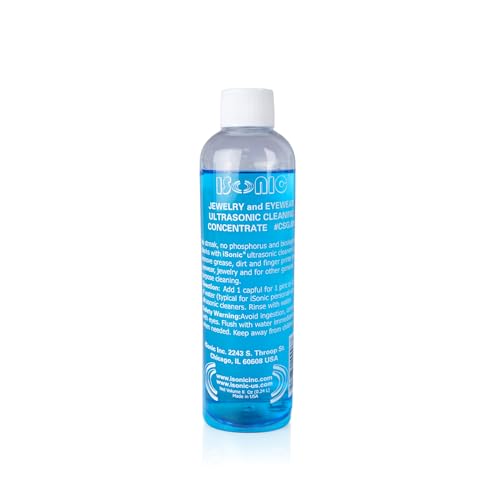
- ultrasonic jewelry cleaner 40kHz with cleaning solution
- jewelry cleaning kit silver gold with brushes solution polishing cloth
- soft jewelry cleaning brushes
- microfiber cloth set


Before You Start
Assess each piece for damage, loose stones, or worn settings before cleaning. Do not soak jewelry with glued-in components or porous stones like lapis or turquoise unless the kit specifies safe use. Protect sensitive finishes by avoiding harsh chemicals. Time estimates vary: simple cleans take 5–15 minutes; deeper tarnish may require repeat sessions. Always test a hidden area first and rinse thoroughly after cleaning.
Step-By-Step: How To Clean Thrifted Jewelry
- Sort pieces by material (gold, silver, costume, gemstones) to tailor the cleaning method.
- Inspect for damage or loose stones; set fragile items aside for special care.
- Fill the ultrasonic cleaner with the recommended cleaning solution and select a gentle 40kHz setting if advised by the product.
- Submerge pieces briefly, avoiding porous stones or glued components, and run a short cleaning cycle.
- Remove items and rinse under lukewarm water to remove residual cleaner.
- Dry with a soft microfiber cloth, then buff using a clean polishing cloth for added shine.
- For heavy tarnish, gently brush with a soft jewelry cleaning brush and re-clean as needed.
- Polish stubborn areas by hand with a polishing cloth designed for metal finishes.
- Reinspect each piece for any loosening or damage after cleaning.
- Store cleaned jewelry separately to prevent scratches and tarnish.
- Document any unusual wear or settings that may require professional care.
- Repeat the routine periodically to maintain luster and reduce buildup.
Troubleshooting
| Symptom | Likely Cause | Fix | Prevention |
|---|---|---|---|
| Discoloration returns quickly | Taint on coatings or porous stones | Clean gently and avoid repeated strong cleans | Limit exposure to chemicals; store properly |
| Stone looks dull after cleaning | Polishing cloth not suitable for stone | Use stone-safe cloths and avoid over-polishing | Check stone compatibility before polishing |
| Loose stones after cleaning | Setting loosened by moisture or agitation | Inspect and secure with a jeweler if needed | Handle pieces carefully during cleaning |
| Scratches on metal | Rubbing too hard or abrasive cloth | Switch to softer cloths and gentle brushing | Use proper tool types for each material |
| Ultrasonic cleaner not working | Wrong solution or cycle time | Follow manufacturer guidelines; test on non-essential piece | Read manual before use |
Common Mistakes
- Using harsh cleaners on silver-plated or costume jewelry
- Soaking pieces with glued stones or shell in ultrasonic solutions
- Rubbing aggressively with rough brushes that scratch metal
- Skipping a proper rinse, leaving cleaner residues
- Neglecting to dry completely, leading to water spots or tarnish
Tips For Best Results
- Always separate pieces by material to avoid chemical interactions.
- Test cleaner on a small, inconspicuous spot before full cleaning.
- Use a dedicated microfiber cloth that’s clean and free of lint.
- For vintage or heirloom pieces, consider professional cleaning to preserve patina.
Call A Professional
Stop cleaning and seek a pro if you notice loose stones, cracked settings, or any structural damage. If the jewelry is an antique or very valuable, professional appraisal and cleaning protect future wearability and value.
FAQ
Can I clean all thrifted jewelry with an ultrasonic cleaner?
Not all pieces are suitable. Avoid porous stones, glued components, and fragile settings unless the cleaner’s instructions explicitly allow it.
How often should thrifted jewelry be cleaned?
Cleaning every few months is typical for regular wear; deeper cleaning can be done as needed based on tarnish and buildup.
What if a piece turns color after cleaning?
Color changes may indicate sensitive plating or stone damage; stop cleaning that piece and consult a professional.
Which tools are essential for beginners?
A soft brush set, microfiber cloths, and a gentle cleaning kit provide a safe starting toolkit for most thrifted pieces.
Buying Guide
When selecting tools to clean thrifted jewelry, consider size, noise level, energy efficiency, and control options. An ultrasonic cleaner offers fast, thorough cleaning but may be overkill for delicate items. A dedicated jewelry cleaning kit with brushes and a polishing cloth provides a gentle, controlled approach for mixed metals and stones. Look for kits with clearly labeled stone-safe solutions and protective gloves if needed. Place the cleaner on a stable surface away from edges and heat.
Key buying factors:
- Size: Choose a compact unit for small pieces or a larger chamber for multiple items.
- Noise Level: Some ultrasonic cleaners run quietly; check the decibel rating if sound is a concern.
- Energy Efficiency: Opt for energy-saving models and shorter cycles when possible.
- Controls: Simple time and temperature settings help beginners avoid over-cleaning.
- Placement: Place on a stable, heat-free surface; keep away from children and pets.
- Materials Compatibility: Verify that the cleaning solution is safe for silver, gold, and costume jewelry.
With the right approach and the items listed, thrifted jewelry can regain its sparkle while staying safe for the pieces. Ready to refresh your finds?
Leave a Reply