How to Get Rid of Black Mold in Washing Machine
Black mold in washing machines, especially front-load models, can persist due to damp seals and lingering moisture. This guide provides practical, step-by-step methods using consumer-safe tools to remove mold and prevent its return in American households.
With the right cleaning routine and careful maintenance, you can restore a fresh, hygienic washing experience and protect clothing from mold stains and odors.
Quick Answer
Run a hot cycle with an empty washer using a mold-fighting cleaner or white vinegar, clean the door gasket and detergent drawer, then dry all surfaces thoroughly. Regular monthly deep cleans with the right tools prevent mold buildup and keep your washer fresh.
What You’ll Need
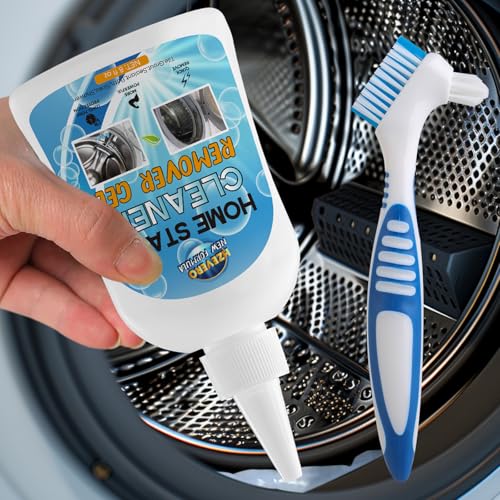
- washing machine gasket cleaning brush mold remover
- portable steam cleaner for washing machine mold removal front load
- mold and mildew cleaning kit for washing machine front load


Before You Start
Safety first: unplug the machine before any interior or gasket work. Use gloves to protect skin from cleaners and hot water. Keep the area well-ventilated to minimize fumes from cleaning agents. Time estimate for a full clean is 60–90 minutes, with additional drying time for the unit after cleaning. Do not mix cleaning products; follow label directions for any chemical cleaners. Be cautious around electrical components and avoid excessive moisture on control panels.
Step-By-Step: How To Remove Black Mold From A Front-Load Washing Machine
- Prepare the washer by running a hot empty cycle with the door closed to loosen any mold and distribute heat.
- Apply mold removal products around the door gasket using a gasket cleaning brush mold remover to scrub the folds, seams, and any visible mold growth.
- Remove the detergent and fabric softener drawers; scrub the drawers and the recess with a dedicated mold cleaning kit, ensuring all corners are clean.
- Wipe down the door seal thoroughly, paying special attention to the flat areas and folds where moisture collects.
- Run a second hot water cycle with a steam cleaner for front-load models to loosen embedded mold and disinfect hard-to-reach areas.
- Wipe dry the drum, gasket, and drawer recess with a clean, dry cloth; leave the door ajar to air-dry between uses.
- Clean the exterior housing and control panel with a damp cloth; avoid spraying cleaners directly onto electronics.
- For ongoing prevention, add a monthly cleaning routine using the mold and mildew kit for front-load washers and a vented dry cycle after each wash.
- Inspect the drain hose for any signs of mold or mildew accumulation and replace if needed.
- Record your cleaning schedule, noting when the mold appeared and the results of each treatment for future reference.
- After each full cleaning, ensure the washer is completely dry before the next use to prevent rapid mold regrowth.
- If mold reappears after multiple cleanings, consider professional inspection of internal components and seals for hidden moisture or damage.
Troubleshooting
| Symptom | Likely Cause | Fix | Prevention |
|---|---|---|---|
| Persistent musty odor after cleaning | Moisture remains in gasket folds | Re-clean gasket with brush; run hot cycle with steam cleaner; dry thoroughly | Keep door ajar after cycles; wipe moisture daily |
| Visible mold on gasket | Stuck mold spores in folds | Scrub with mold remover product; rinse and dry | Perform monthly gasket maintenance |
| No improvement after cleaning | Hidden mold in drum or hoses | Inspect hoses; consider professional service | Schedule regular deep cleaning |
| Water leaks during cycles | Damaged seals or worn gaskets | Replace defective seals or hoses | Address wear early, perform periodic inspections |
Common Mistakes To Avoid
- Using bleach in combination with ammonia-based products
- Skipping the door or drawer areas during cleaning
- Relying on a single cleaning session; mold can re-establish
- Ignoring signs of mold in front-load washers, where moisture tends to linger
Regular maintenance reduces the likelihood of recurrence and helps keep fabrics fresh and free of residues.
Tips For Best Results
- Run hot water cycles at least once a month to minimize mold-friendly temperatures
- Use a dedicated front-load washer cleaning kit to address seams and crevices
- Leave the door ajar between uses to improve air circulation
- Store cleaning tools in a dry, ventilated area to prevent mold growth on tools themselves
- Consider a moisture-absorbing product near the washer to reduce ambient humidity
Call A Professional
Seek professional help if there is persistent mold despite routine cleaning, visible mold behind panels, or signs of water intrusion into electrical components. Stop using the machine if you notice electrical smells, scorching, or unusual noises, and contact a licensed appliance technician.
FAQ
Can white vinegar remove mold from a washing machine?
Yes, white vinegar can help break down mold and odors when used in a hot wash cycle, though it may not eliminate deeply embedded mold on its own.
How often should I clean my front-load washer?
Aim for a thorough cleaning every 1–3 months, with monthly quick maintenance focusing on the gasket and detergent drawer.
Is there a difference between mold and mildew cleaning kits?
Both target mold and mildew, but kits designed specifically for front-load washers address seals and hard-to-reach areas more effectively.
Should I dry the washer after every use?
Yes, leaving the door slightly open aids drying and helps prevent mold growth between cycles.
Can mold cause health issues?
Exposure can irritate airways and cause allergy-like symptoms in sensitive individuals. Regular cleaning reduces risk.
Buying Guide
When choosing products to combat mold in a washing machine, consider size and compatibility with your model, especially front-load designs. Look for a mold-focused kit that includes gasket brushes and drawer cleaners; portability or steam-cleaning capabilities can offer deeper disinfection for stubborn growth. Noise level and energy use are minor concerns for cleaning tools themselves but may matter for steam cleaners used in compact spaces. Evaluate how each tool will integrate into your routine and whether you prefer a dedicated cleaning spray kit, a steam-based approach, or a combined mold-removal system. For best results, select a bundle that covers gasket care, drum cleaning, and drawer maintenance to streamline maintenance. Place tools where they can dry between uses to prevent harboring new mold. If odor or mold recurs, re-evaluate installation or consult a professional for a thorough inspection of seals and hoses.
Leave a Reply